Health Insurance

Search documents
The Cigna Group's Fourth Quarter 2025 Earnings Release Details
Prnewswire· 2026-01-13 11:00
Financial Results Announcement - The Cigna Group will release its fourth quarter 2025 financial results on February 5, 2026, by 6:30 a.m. Eastern Time (ET) [1] - A conference call to discuss these results will take place at 8:30 a.m. ET on the same day, with participants encouraged to join by 8:15 a.m. ET [1] - The call can be accessed via domestic and international numbers, and a replay will be available from 12:30 p.m. ET on February 5 until 10:59 p.m. ET on February 19, 2026 [1] Investor Relations Information - A copy of the news release and financial supplement will be available on The Cigna Group's website in the Investor Relations section by 6:30 a.m. ET on February 5, 2026 [2] Company Overview - The Cigna Group is a global health company focused on improving health outcomes and maintaining approximately 180 million customer relationships worldwide [3] - The company operates under various brands, including Cigna Healthcare and Evernorth Health Services, and has a presence in over 30 markets [3]



Investing in healthcare can be a win-win proposition
The Smart Investor· 2026-01-13 03:30
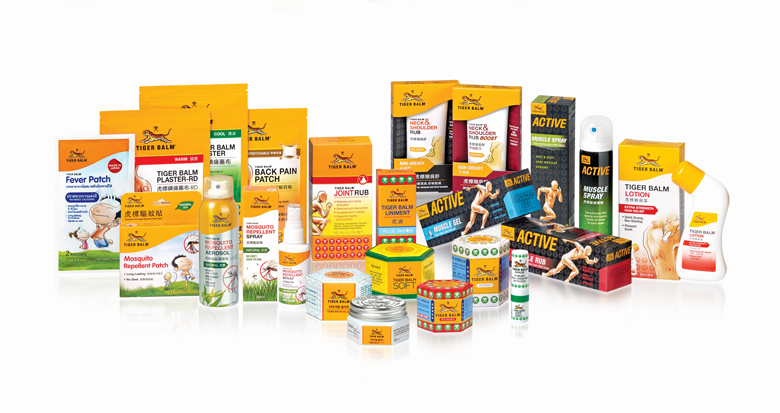
Core Insights - Investing in healthcare companies can provide both financial returns and ensure these companies are well-funded for future needs [1][2] - The rising demand for healthcare services, driven by increasing household wealth, is likely to lead to higher prices in the sector [3] - Many healthcare companies offer attractive dividends, making them appealing as income-producing assets [4] Company Highlights - GlaxoSmithKline (GSK) has evolved from a specialist in gastrointestinal ailments to one of the top 10 vaccine manufacturers globally, also focusing on drug-resistant superbugs [5] - GSK's spin-off of its Haleon consumer healthcare business allows shareholders to benefit from both segments, with Haleon focusing on oral healthcare and over-the-counter products [6] - Smith & Nephew has a strong presence in consumer healthcare, particularly in orthopaedics, which is expected to grow due to an aging population [7] - Abbott Laboratories offers a diverse range of products, including infant formula and diabetes management solutions, catering to various age groups [8] - Haw Par, known for its Tiger Balm brand, and Reckitt, with products like Nurofen, are also significant players in the consumer healthcare market [9] Market Trends - DFI Retail's shift from low-margin food retailing to focus on 7-Eleven and Guardian pharmacies highlights the higher revenue potential in regulated pharmacy businesses compared to supermarkets [10] - IHH Healthcare operates a large network of upscale hospitals, generating stable revenue, although cash flow can be inconsistent [12] - Parkway Life Real Estate Investment Trust, a major healthcare landlord in Asia, provides a reliable income source by managing hospitals and nursing homes [13] - Health insurance companies, such as AIA and Prudential, play a crucial role in risk management and can invest premiums to generate returns before claims are paid out [14][15] Industry Outlook - The healthcare industry is continuously evolving, with companies needing to adapt to changing consumer demands to remain relevant [15] - Many established healthcare companies have a long history of producing valued products, suggesting they are likely to endure for many more years [16] - A healthcare REIT has secured rental escalations until around 2042, indicating strong income visibility, which is rare in today's market [17]

Wall Street Lunch: Paramount Skydance Takes Fight To Warner's Board To Block Netflix Deal
Seeking Alpha· 2026-01-12 18:37
Paramount and Warner Bros. Discovery - Paramount Skydance plans to nominate directors to Warner Bros. Discovery (WBD) and has filed a lawsuit in Delaware for basic information, emphasizing the need for Warner shareholders to make an informed decision regarding its bid versus the current deal with Netflix [3] - Paramount also proposes a bylaw amendment requiring WBD shareholder approval for any separation of Global Networks, indicating a strategic move to influence WBD's governance [3] Netflix Acquisition Odds - Despite political pressure from President Trump against Netflix's potential control over WBD, the odds of Netflix acquiring WBD remain stable at 54% on Kalshi and 53% on Polymarket, reflecting market confidence in the acquisition [4] Credit Card Issuers - Credit card issuer stocks are experiencing a decline following President Trump's proposal for a one-year cap on card rates at 10%, with notable declines in stocks such as Capital One, Synchrony Financial, Bread Financial, and American Express [8] UnitedHealth and Medicare Advantage - UnitedHealth shares are down after a Senate committee reported that the company used "aggressive tactics" to enhance payment-boosting diagnoses for its Medicare Advantage members, although the stock has recovered slightly after the company reaffirmed its outlook [9] Eli Lilly and Nvidia Partnership - Eli Lilly is partnering with Nvidia to establish an AI co-innovation lab in the San Francisco Bay Area, focusing on using AI to accelerate drug discovery, with plans to invest up to $1 billion in talent and infrastructure over five years [10]



Retiring early? Ignoring this number could see you overpaying for health care every single
Yahoo Finance· 2026-01-12 17:00
Core Insights - Health care is a primary concern for older adults and retirees, driven by both the uncertainty of medical conditions and the complexity of the American health care system [1][2] Group 1: Public Sentiment - Approximately 60% of adults are "very" or "somewhat" worried about affording health care services [2] - Many adults find it challenging to navigate the intricate public and private medical insurance systems in the U.S. [2] Group 2: Importance of MAGI - The modified adjusted gross income (MAGI) is a crucial metric for determining monthly premiums for health care, especially for retirees in their 50s and early 60s [3][4] - Under the Affordable Care Act (ACA), health care subsidies are primarily based on MAGI rather than actual cash income or spending [5] - Strategic planning around MAGI can potentially reduce monthly health care costs to $0 [5] Group 3: Income Sources and MAGI - MAGI includes wages, interest, capital gains, and withdrawals from traditional pre-tax retirement accounts, but excludes certain income sources like savings, tax-free securities interest, gifts, and Roth IRA withdrawals [6] - By strategically managing withdrawals from various income sources, individuals can maintain a lower MAGI while preserving their lifestyle [7]
Market Opens Lower Amid Fed Independence Concerns; Walmart Rises on NASDAQ-100 Inclusion
Stock Market News· 2026-01-12 15:08
Corporate News - Walmart (WMT) shares increased by approximately 2% after the announcement that it will replace AstraZeneca (AZN) on the NASDAQ-100 index effective January 20, reflecting Walmart's shift towards a more technology-focused operation [4][8] - UnitedHealth (UNH) experienced a decline of 1.9% following a Senate report that revealed the company's aggressive tactics to enhance Medicare payments, which the report criticized as turning risk adjustment into a business [4][8] Earnings Projections - The Q4 2025 earnings season is underway, with S&P 500 earnings per share (EPS) growth projected at 8.3%, primarily driven by a robust 25.9% increase in the Technology sector [4][8] Geopolitical Developments - The Greenland government reaffirmed its strategic alignment with the Western Defense Alliance, emphasizing that its defense will be under NATO auspices, which is a common interest for all member states, including the United States [5][8] Market Overview - US equity markets opened lower, with the Dow Jones down 0.62%, the S&P 500 falling 0.43%, and the Nasdaq dropping 0.39%, primarily due to concerns over Federal Reserve independence [2][8] - The rise in long-term Treasury yields and a weaker dollar were noted as consequences of fears regarding the prosecution of Fed Chair Jerome Powell, which analysts suggest could lead to a more hawkish monetary policy [3][8]

UnitedHealth Faces Renewed Scrutiny into Its Nursing Home Practices. What Does That Mean for UNH Stock?
Yahoo Finance· 2026-01-12 14:00
Core Viewpoint - UnitedHealth Group (UNH) is facing increased scrutiny from federal agencies and lawmakers regarding its nursing home practices and Medicare Advantage oversight, particularly after reports of delayed or denied hospital transfers leading to senior deaths [1][2]. Financial Performance - UnitedHealth has a market value of approximately $311.6 billion and offers a forward annual dividend of $8.84 per share, yielding 2.53% [3]. - The company's stock closed at about $343.98, reflecting a year-to-date increase of 4.2% but a significant decline of 34.42% over the past 52 weeks [4]. - In the third quarter of 2025, UnitedHealth reported consolidated revenue of $113.2 billion, marking a 12% year-over-year increase, with adjusted EPS of $2.92, exceeding estimates by 6.18% [5]. - The UnitedHealthcare unit generated $87.1 billion in revenue, up 16% year-over-year, serving 50.1 million consumers, an increase of 795,000 [6]. Regulatory Environment - Federal agencies are intensifying audits of Medicare Advantage contracts and billing, indicating a stricter approach towards private insurers and their managed care practices [2]. - The ongoing investigation by Senators Elizabeth Warren and Ron Wyden into UnitedHealth's nursing home practices highlights the potential regulatory risks that could impact the company's long-term stock performance [1][3].

Alignment Healthcare Reports 31% Year-Over-Year Membership Growth to 275,300 as of Jan. 1, 2026
Globenewswire· 2026-01-12 13:30
Core Insights - Alignment Healthcare, Inc. reported a health plan membership of approximately 275,300 as of January 1, 2026, reflecting a 31% year-over-year growth following a strong annual enrollment period [1] - The company anticipates health plan membership to reach between 290,000 and 296,000 by year-end 2026, indicating a growth of approximately 24% to 27% compared to the midpoint of its year-end 2025 membership guidance [2] - The expected consensus adjusted EBITDA for 2026 is approximately $145 million, which is within the full-year guidance range [2][8] - The company reaffirmed its full-year 2025 guidance on health plan membership, revenue, adjusted gross profit, and adjusted EBITDA [3][8] Company Performance - Since its IPO in 2021, Alignment Healthcare has achieved a compounded annual membership growth rate of approximately 30%, demonstrating sustained performance in the Medicare Advantage market [1] - 100% of its members are enrolled in plans rated 4 stars or higher for the second consecutive year, according to Centers for Medicare & Medicaid Services star ratings [4] Business Model and Strategy - The company emphasizes a care-centered model that aims to deliver high-quality outcomes and create shareholder value by serving seniors [4] - Alignment Healthcare's mission is to provide high-quality, low-cost care for its Medicare Advantage members, supported by a customized care model and a 24/7 concierge care team [7]


Senate report says UnitedHealth used aggressive tactics to boost medicare payments, WSJ reports
Reuters· 2026-01-12 11:28
Core Viewpoint - UnitedHealth Group has been reported to use aggressive tactics to collect diagnoses that can enhance Medicare Advantage payments, as per an investigation by a U.S. Senate committee [1] Group 1 - The investigation focuses on the practices of UnitedHealth Group in relation to Medicare Advantage [1] - The tactics employed by the company are described as aggressive, indicating a potentially unethical approach to gathering necessary diagnoses [1] - The findings of the Senate committee suggest a need for scrutiny over the practices of health insurers in the Medicare Advantage space [1]

Is Fidelity’s Health Care ETF A Good Buy Right Now?
Yahoo Finance· 2026-01-10 12:36
Core Viewpoint - Healthcare investing offers defensive characteristics during market turbulence, but regulatory uncertainty and political risk can lead to sudden selloffs [1] Group 1: Fund Overview - Fidelity MSCI Health Care Index ETF (FHLC) tracks the MSCI USA IMI Health Care Index, providing exposure to U.S. healthcare companies across various sectors [2] - The fund has an expense ratio of 0.084%, which is lower than many competitors, while maintaining over 80 holdings [2] - FHLC's return is driven by capital appreciation from underlying stock holdings and modest dividend income from mature healthcare companies [2] Group 2: Concentration Risk - Eli Lilly (NYSE:LLY) constitutes over 13% of FHLC's portfolio, linking the fund's performance closely to GLP-1 obesity drugs [3] - The stock of Eli Lilly has surged 46% over the past year and is trading near its 52-week high [3] - The top five holdings also include UnitedHealth (NYSE:UNH), Johnson & Johnson (NYSE:JNJ), Merck (NYSE:MRK), and AbbVie (NYSE:ABBV) [3] Group 3: Performance Analysis - FHLC has gained 5.3% over the past month and 17.9% over the past year, outperforming the S&P 500 in both periods [4] - However, over five years, FHLC returned 42.6% compared to the S&P 500's 84.5%, and over ten years, the gap widens to 154% versus 235% [4] - This long-term underperformance is attributed to challenges in the healthcare sector, including drug pricing pressures and slower innovation cycles [5] Group 4: Future Considerations - Recent momentum in FHLC suggests potential sector rotation, but buying after outperformance carries inherent risks [5] - Enhanced ACA premium tax credits have an 87.5% probability of expiring by January 31, 2026 [6]


Is Fidelity's Health Care ETF A Good Buy Right Now?
247Wallst· 2026-01-10 12:36
Core Insights - Healthcare investing is characterized by defensive traits during market volatility, but regulatory and political risks can lead to abrupt selloffs [1] - Fidelity MSCI Health Care Index ETF (FHLC) offers a low-cost entry point for investors seeking exposure to the healthcare sector without selecting individual stocks [1] Fund Overview - FHLC tracks the MSCI USA IMI Health Care Index, providing exposure to U.S. healthcare companies across various segments including pharmaceuticals, biotechnology, medical devices, and health insurance [2] - The fund has an expense ratio of 0.084% and includes over 80 holdings, focusing on capital appreciation and modest dividend income [2] Concentration Risk - Eli Lilly constitutes over 13% of FHLC's portfolio, linking its performance closely to GLP-1 obesity drugs, which have seen a 46% increase in stock price over the past year [3] - The top five holdings also include UnitedHealth, Johnson & Johnson, Merck, and AbbVie [3] Performance Analysis - FHLC has shown strong short-term performance, gaining 5.3% in the last month and 17.9% over the past year, outperforming the S&P 500 [4] - However, over five years, FHLC returned 42.6%, significantly lagging behind the S&P 500's 84.5% return, with a widening gap over ten years (154% vs. 235%) [4] Sector Challenges - The underperformance of FHLC reflects broader challenges in the healthcare sector, including drug pricing pressures and slower innovation cycles outside oncology and rare diseases [5] - Recent momentum may indicate potential sector rotation, but investing after outperformance carries inherent risks [5] Policy and Income Considerations - Investors face political and regulatory uncertainties, with an 87.5% probability that enhanced ACA premium tax credits will expire by January 2026, impacting health insurers like UnitedHealth [7] - FHLC's yield of 1.33% is considered modest compared to other market alternatives, with dividend growth of approximately 4.6% annually over five years, barely keeping pace with inflation [8] Suitability for Investors - Growth-focused investors seeking maximum capital appreciation may find FHLC unsuitable due to its long-term underperformance [9] - Retirees prioritizing income generation may also find better yield opportunities in other sectors without sacrificing stability [9] Alternative Options - Vanguard Health Care ETF (VHT) is presented as an alternative, with a slightly higher expense ratio of 0.09%, larger asset base of $20.4 billion, and a higher dividend yield of 1.38% [11] - VHT's longer track record since 2004 and superior liquidity may provide additional confidence for long-term investors [11] Tactical Allocation - FHLC may serve as a tactical allocation for investors seeking low-cost exposure to the healthcare sector, but concentration risk and historical underperformance necessitate careful position sizing [12]