美术馆

Search documents
苏州当代美术馆竣工
Su Zhou Ri Bao· 2025-08-08 23:51
Core Points - The Suzhou Contemporary Art Museum has recently completed its construction and passed inspection, showcasing its overall facade [1] - The museum features nine interconnected venues that blend traditional Suzhou garden elements with modern design, creating a cultural complex [1] - The project includes four exhibition halls, performance spaces, and multifunctional areas, covering approximately 48,800 square meters with a total building area of about 58,800 square meters [1] - The architectural design is led by Bjarke Ingels, founder of the renowned Danish architectural firm BIG, adhering to international high standards for art venues [1] Transportation and Accessibility - The metro line 8 directly connects to the museum via an underground passage, enhancing the convenience of transportation in the area [2]
打开更辽阔的审美场域
Ren Min Ri Bao· 2025-05-17 21:52
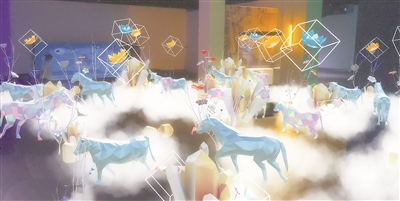
Core Viewpoint - The future of museums, particularly art museums, is being shaped by rapid advancements in digital information technology, which necessitates a transformation in how these institutions operate and engage with the public [2][3]. Group 1: Digital Transformation in Art Museums - Art museums are increasingly adopting digital technologies such as the internet, IoT, cloud computing, big data, artificial intelligence, and blockchain to enhance their collections, exhibitions, education, and management [3]. - The Zhejiang Art Museum has been integrating digital technology into its operations since 2016, including exhibitions that blend traditional culture with digital innovation [3]. - The release of the "Public Art Museum Digital Service Standards" by the Zhejiang Art Museum and other institutions aims to provide a framework for digital upgrades across art museums in China [2]. Group 2: Immersive Digital Art Experiences - Immersive digital art exhibitions are becoming popular, allowing artworks to come alive and providing deeper engagement for audiences [4]. - The Guangdong Art Museum has designed a dedicated immersive digital art exhibition hall, showcasing the commitment of traditional art institutions to digital services [4]. Group 3: Aesthetic Education and Cultural Values - The role of art museums extends beyond technology; they are crucial in awakening public aesthetic awareness and fostering creativity, emphasizing the importance of "aesthetic" in the digital age [5]. - Aesthetic education is viewed as a systematic process that encourages individuals, especially youth, to engage positively with the world, promoting personal growth through daily aesthetic activities [6]. - The integration of Chinese aesthetic values into digital services is seen as essential for shaping humanistic values in the technological era [5][6]. Group 4: The Role of Aesthetics in Innovation - Aesthetics is recognized as a vital productive force in the digital age, serving as a countermeasure to technological alienation and a catalyst for cultural innovation [7]. - The exploration of new aesthetic realms in the context of digital construction is a collaborative effort that art museums are encouraged to pursue [7].