审美教育

Search documents
破解连环画文化交互难题(艺坛走笔)
Ren Min Ri Bao· 2025-11-08 22:11
Core Perspective - The article emphasizes the need for a new perspective in the art theory and publishing sector, akin to E.H. Gombrich's approach to understanding art, which combines aesthetic education with the transmission of artistic values and meanings [1] Group 1: Interaction of Literature and Art - Traditional comic books are primarily adaptations of literary works, requiring a balance between narrative fidelity and visual appeal, which enhances their aesthetic function [2] - Comic books possess a unique artistic aura by transforming literature into visual storytelling, allowing for a more vivid representation of characters and settings that text alone cannot convey [2][3] - The relationship between text and image in comic books is evolving, with a trend towards less text and a greater emphasis on visual storytelling, necessitating higher artistic and narrative standards from creators [3] Group 2: Cultural and Educational Impact - Comic book culture plays a significant role in enhancing public literacy and cultural awareness, serving as a medium for collective recognition of literary characters and themes [4] - Notable works, such as adaptations of China's Four Great Classical Novels, have historically contributed to the public's understanding of literature and national spirit, exemplifying the educational potential of comic books [4] - The transformation of literary classics into comic formats is crucial for engaging younger audiences and fostering literary appreciation, making comic books an important tool for cultural education [4] Group 3: Future Directions and Challenges - The comic book industry is at a stage of graded development, necessitating research into what legacy should be left for future generations, including the preservation and study of comic book heritage [5] - There is a call for the creation of widely accessible works that can withstand the test of time, similar to Gombrich's influential texts, to convey the depth of Chinese art and thought [5] - The industry must adapt to changing reader demographics and preferences, ensuring that comic book creations resonate with contemporary audiences while maintaining artistic integrity [5][6]
头发的“战争”:当中学校规遇上青春期
Hu Xiu· 2025-10-11 03:27
Core Perspective - The article discusses the ongoing conflict between school regulations regarding students' hairstyles and the individual identities and self-expression of students, highlighting the emotional and psychological implications of such regulations [4][5][22]. Group 1: Parental Experiences - A mother, Lin Jing, faces challenges with her son's refusal to cut his hair according to school rules, leading to a series of conflicts that reflect broader issues of autonomy and identity in education [6][7][12]. - The situation escalates as the son is repeatedly asked to cut his hair, resulting in emotional turmoil for both the mother and the child, showcasing the tension between parental authority and school regulations [9][14][15]. - Lin Jing's experience resonates with many parents, as evidenced by the widespread responses on social media, indicating a shared struggle with similar issues [15][16]. Group 2: Student Perspectives - Students like Zhi Zhi and Li Li express frustration over hair regulations that they perceive as unfair, particularly when new students are allowed more freedom than older students [41][44]. - Zhi Zhi's experience of being forced to cut her long hair leads to feelings of insecurity and a loss of self-esteem, emphasizing the psychological impact of such regulations on young individuals [43][44]. - Li Li, who has previously complied with strict hair rules, now questions the inconsistency and rationale behind the school's standards, advocating for personal choice in hairstyle as a matter of self-identity [46][47]. Group 3: Educational Implications - The article highlights the historical context of hair regulations in Chinese schools, tracing the evolution of these rules and their implications for student autonomy and identity [3][27][28]. - Experts argue that the strict enforcement of hair regulations reflects a broader issue of educational practices that prioritize conformity over individuality, potentially stifling creativity and self-expression among students [19][30][53]. - The lack of aesthetic education and the emphasis on uniformity in schools are seen as detrimental to students' emotional and psychological development, leading to a generation that may struggle with self-identity and creativity [49][52][56]. Group 4: Alternative Approaches - Some schools are exploring more flexible approaches to hair regulations, allowing students to express their individuality while maintaining a level of decorum, which could foster a more positive learning environment [54][55]. - The article suggests that educational institutions should focus on nurturing students' unique identities rather than enforcing rigid standards, promoting a more holistic approach to education that values both academic and personal growth [56][57].
打开更辽阔的审美场域
Ren Min Ri Bao· 2025-05-17 21:52
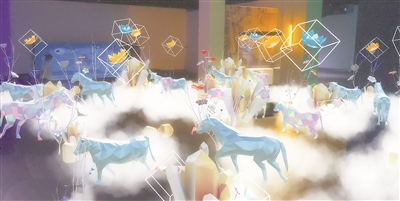
Core Viewpoint - The future of museums, particularly art museums, is being shaped by rapid advancements in digital information technology, which necessitates a transformation in how these institutions operate and engage with the public [2][3]. Group 1: Digital Transformation in Art Museums - Art museums are increasingly adopting digital technologies such as the internet, IoT, cloud computing, big data, artificial intelligence, and blockchain to enhance their collections, exhibitions, education, and management [3]. - The Zhejiang Art Museum has been integrating digital technology into its operations since 2016, including exhibitions that blend traditional culture with digital innovation [3]. - The release of the "Public Art Museum Digital Service Standards" by the Zhejiang Art Museum and other institutions aims to provide a framework for digital upgrades across art museums in China [2]. Group 2: Immersive Digital Art Experiences - Immersive digital art exhibitions are becoming popular, allowing artworks to come alive and providing deeper engagement for audiences [4]. - The Guangdong Art Museum has designed a dedicated immersive digital art exhibition hall, showcasing the commitment of traditional art institutions to digital services [4]. Group 3: Aesthetic Education and Cultural Values - The role of art museums extends beyond technology; they are crucial in awakening public aesthetic awareness and fostering creativity, emphasizing the importance of "aesthetic" in the digital age [5]. - Aesthetic education is viewed as a systematic process that encourages individuals, especially youth, to engage positively with the world, promoting personal growth through daily aesthetic activities [6]. - The integration of Chinese aesthetic values into digital services is seen as essential for shaping humanistic values in the technological era [5][6]. Group 4: The Role of Aesthetics in Innovation - Aesthetics is recognized as a vital productive force in the digital age, serving as a countermeasure to technological alienation and a catalyst for cultural innovation [7]. - The exploration of new aesthetic realms in the context of digital construction is a collaborative effort that art museums are encouraged to pursue [7].