Refining

Search documents
BP agrees to sell Gelsenkirchen refinery in deal with Klesch
Yahoo Finance· 2026-03-20 14:34
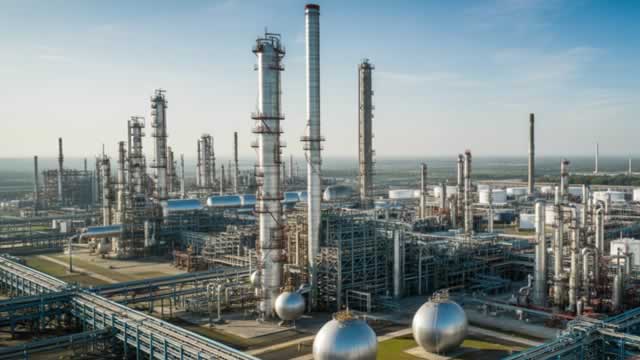
Core Viewpoint - BP has signed an agreement to divest its Gelsenkirchen refinery and associated businesses to Klesch Group as part of its strategy to simplify its portfolio and focus on integrated businesses [1] Group 1: Divestment Details - The sale includes the Bottrop tank farm refinery, DHC Solvent Chemie business, logistics joint ventures, and marketing operations related to petrochemicals and unbranded fuels [2] - The Gelsenkirchen complex processes approximately 12 million tonnes per annum (mtpa) of crude oil and has a crude distillation capacity of 265,000 barrels per day (bpd) [3] - The deal will remove liabilities related to Gelsenkirchen from BP's balance sheet, including pension obligations and other provisions [5] Group 2: Financial Implications - BP has set a revised target for structural cost reductions of $6.5 billion (£4.86 billion) to $7.5 billion by 2027, reflecting anticipated annual savings of approximately $1 billion in underlying operating expenditure [1] - This target represents around 30% of BP's 2023 cost baseline, increased from an initial plan of $4 billion to $5 billion announced in February 2025 [2] - The sale contributes to BP's plan to lower its refining cash breakeven point by around $3 per barrel by 2027 compared to 2024 on a like-for-like basis [5] Group 3: Workforce and Future Strategy - BP predicts that the workforce, including those in logistics and sales support, will transition to the new owner after the completion of the sale [4] - Klesch Group's chairman emphasized the long-term stewardship of high-quality refining assets, indicating a commitment to sustainable value creation [4] - BP's interim CEO stated that the transaction strengthens the balance sheet and increases the resilience of its focused refining portfolio [6]

BP Agrees to Divest Gelsenkirchen Refinery Assets to Klesch Group
ZACKS· 2026-03-19 18:50
Core Insights - BP plc has signed an agreement to sell the Gelsenkirchen refinery and associated businesses to Klesch Group, part of its strategy to reduce costs and simplify its portfolio [1][8] - The sale is expected to enhance BP's balance sheet and improve free cash flow, while also reducing the cash breakeven for its retained refining business [3][8] Structural Cost Reduction Targets - Following the sale, BP has raised its structural cost-reduction target to $6.5-$7.5 billion by 2027, up from an initial target of $4-$5 billion [2] - The increase includes approximately $1 billion in expected savings from the Gelsenkirchen refinery assets [2] Details of the Transaction - The transaction includes the Gelsenkirchen refinery, Bottrop tank farm, DHC Solvent Chemie GmbH, and BP's stakes in logistics joint ventures and petrochemical businesses [5] - The deal is expected to close in the second half of 2026, pending regulatory approvals [5] Refinery Capacity and Production - The Gelsenkirchen refinery has a processing capacity of around 12 million tons of crude oil annually, primarily producing fuels for vehicles and aircraft [4]


Ecolab nearing deal to acquire KKR's data-center cooling company for up to $5 billion, WSJ reports
Reuters· 2026-03-19 17:21AI Processing
Skip to main content Exclusive news, data and analytics for financial market professionalsLearn more aboutRefinitiv Ecolab nearing deal to acquire KKR's data center cooling company for up to $5 billion, WSJ reports | Reuters Purchase Licensing Rights Business Klesch Group has looked at PCK Schwedt, but asset is 'complicated' , chairman says General view of the Ecolab plant in Northwich, Britain, November 23, 2020. REUTERS/Jason Cairnduff/File Photo Purchase Licensing Rights, opens new tab March 19 (Reuters) ...

X @The Economist
The Economist· 2026-03-19 17:15
Africans are increasingly putting their own money to work, a trend personified by Aliko Dangote. Having opened a $20bn refinery in Nigeria in 2023, the continent’s richest man is eyeing projects elsewhere https://t.co/rW8Uz17B6g ...
BP to Sell Gelsenkirchen Refinery in Germany to Klesch Group
WSJ· 2026-03-19 07:41
Group 1 - The British energy major is focused on simplifying its portfolio to enhance operational efficiency [1] - The company is actively working to strengthen its balance sheet, indicating a strategic shift towards financial stability [1]

中国化工_伊朗局势升级的影响-China Chemicals_ Iran escalation impacts (III)
2026-03-16 02:20
Summary of Key Points from the Research Report Industry Overview - The report focuses on the **China Chemicals** industry, particularly the impact of geopolitical tensions in the Middle East on crude oil supply and its subsequent effects on Asian refineries and chemical producers [2][3][8]. Core Insights and Arguments 1. **Short-term Oil Supply Disruption**: - Asian refineries, excluding China, are expected to benefit from a one-month disruption in oil supply, leading to rapid refining margin expansion. However, downstream sectors face cost inflation [3][8]. - China maintains a manageable short-term oil feedstock situation with approximately **45 days of inventory** and floating storage options from Iran and Russia [3][13]. 2. **Refinery Operations**: - Several Asian refineries have begun to reduce operating rates in response to potential crude shortages, with specific reductions noted in various Chinese refineries [10][11]. - Chinese refiners are considered more resilient than their Asian counterparts due to strategic reserves, RMB appreciation, and integrated supply chains [4][19]. 3. **Impact on Chemical Segments**: - **Coal-based Chemicals**: Stable feedstock and transportation costs provide advantages for coal-to-olefins (CTO), coal-to-methanol (CTM), and PVC production [5][23]. - **Gas-based Chemicals**: Chinese ethane crackers are expected to remain cost-effective in the near term, but long-term risks exist due to potential increases in US LNG prices [5][24]. - **Olefin Supply Tightness**: Production of propylene and ethylene may decline due to feedstock supply constraints and rising costs, leading to a potential supply gap [5][25][26]. - **Fertilizers and Sulfur**: Global urea markets face cost pressures, and sulfur tightness may elevate overseas phosphate fertilizer prices, benefiting Chinese producers with export alternatives [5][22]. 4. **Long-term Scenarios**: - If the blockade extends beyond one month, refiners will face increased pressure on crude availability, necessitating government intervention through strategic petroleum reserves [17][18]. - A prolonged disruption could lead to structural supply shortages for Asian refiners, particularly those outside China [19]. 5. **Market Dynamics**: - The report anticipates a shift from a restocking cycle to a destocking cycle if the blockade ends after one month, potentially leading to inventory losses as product prices normalize [16]. - The report highlights that the Chinese government may implement additional export controls on fertilizers to prevent domestic inflation, widening the gap between domestic and international prices [22]. Additional Important Insights - The report emphasizes the importance of strategic reserves in mitigating supply disruptions, with China having a significant advantage over other Asian countries in terms of crude storage capacity [20][21]. - The potential for rising costs in specialty chemicals, particularly those with heavy European and Asian exposure, is noted, as natural gas prices may further impact production costs [5][36]. This summary encapsulates the critical insights and implications for the China Chemicals industry in light of current geopolitical tensions and market dynamics.
投资者提问-伊朗冲突以来哪些股票领涨 滞涨?我们对这些标的的观点是什么?-Energy, Utilities & Mining Pulse_ Investors Asking_ What Stocks Have Led and Lagged Since the Iran Conflict -- And What Are Our Views On These
2026-03-16 02:05
Summary of Key Points from the Conference Call Industry Overview - The conference call discusses the impact of the ongoing conflict in the Middle East on various sectors within the Energy, Utilities, and Mining industries, highlighting the dispersion among energy sectors and stocks since the conflict began [1][5]. Key Companies and Their Performance Leaders - **Ovintiv (OVV)**: Outperformed the E&P sector, with a focus on its sale of Anadarko assets, positioning it well below a $4.0 billion long-term debt target. The stock is expected to continue outperforming due to a 14% free cash flow (FCF) yield compared to a peer average of 11% [10][11]. - **Marathon Petroleum (MPC)**: Noted for its strong performance due to elevated refining crack spreads and higher jet fuel prices, with a potential capital return of approximately $4.6 billion to $4.8 billion in 2026/2027 [12]. - **Duke Energy (DUK)**: Benefited from defensive qualities during geopolitical uncertainty, with a projected EPS growth of 8% through 2030 and a robust capital plan [15]. Laggards - **Viper Energy (VNOM)**: Underperformed due to lower beta to commodity price changes, but still rated as a Buy with a 34% upside potential [10][11]. - **ExxonMobil (XOM)**: Trailing behind peers due to greater exposure to Middle East supply disruptions, with shares trading at a lower free cash flow yield compared to competitors [12]. - **SLB**: Experienced a decline of approximately 13% due to offshore activity exposure in the Persian Gulf, but remains rated as a Buy for long-term fundamentals [18]. Sector Performance - **Refining and LNG Stocks**: These sectors have shown the best performance since the conflict began, with specific stocks like PARR and PBF seeing significant percentage increases [5]. - **Utilities and Clean Technology**: These sectors have underperformed relative to refining and LNG stocks, with notable declines in companies like NRG and AYI [9][19]. Market Dynamics - The conflict has led to a significant reduction in average daily flows through the Strait of Hormuz, down 97% from normal levels, impacting supply chains and market expectations [23]. - Investors are closely monitoring the potential long-term impacts on oilfield services companies operating in the Middle East, particularly regarding supply chain disruptions [45]. Financial Metrics and Projections - OVV is projected to maintain a strong FCF generation, while MPC's capital returns imply a ~7% yield [10][12]. - NRG's stock trades at approximately 7x EV/EBITDA, indicating potential undervaluation despite recent business mix changes [15][48]. Conclusion - The ongoing geopolitical tensions in the Middle East are creating a complex landscape for energy and utility companies, with varying impacts on stock performance and investor sentiment. Companies with strong balance sheets and strategic positioning, like OVV and MPC, are expected to thrive, while those with higher exposure to geopolitical risks, like XOM and SLB, may face challenges. Investors are advised to consider these dynamics when making investment decisions.
Exclusive: Sinopec plans to cut crude runs by over 10% on Mideast supply squeeze, sources say
Reuters· 2026-03-13 10:16
Group 1 - Sinopec plans to cut crude throughput by over 10% in March, translating to a reduction of 600,000 to 700,000 barrels per day (bpd) due to a crude supply gap caused by the Middle East conflict [1][1][1] - The cuts are part of broader measures by Beijing to address oil supply disruptions, particularly following Iran's blockage of the Strait of Hormuz, which is critical for global oil transport [1][1][1] - Sinopec's planned throughput reduction represents an 11% to 13% decline from an initial target of processing 5.2 million bpd in March [1][1][1] Group 2 - Sinopec is prioritizing fuel production over petrochemical output to mitigate domestic fuel shortages, indicating a strategic shift in operations [1][1][1] - The company has already shut down an 80,000-bpd crude unit and reduced operations at its steam cracker facilities, reflecting a focus on maximizing fuel output [1][1][1] - The overall refining capacity in Asia has been impacted, with at least 1 million bpd already shut down since the onset of the conflict, highlighting the regional supply challenges [1][1][1]


PBF Energy: Iran Tailwind Factored In (NYSE:PBF)
Seeking Alpha· 2026-03-12 23:04
Core Viewpoint - PBF Energy Inc. has seen its stock value more than double over the past year, primarily due to an improved refining environment following a weak period [1] Company Performance - PBF Energy Inc. has been a strong performer in the market, with significant stock appreciation over the last year [1] Industry Context - The refining environment has notably improved, contributing to the positive performance of companies like PBF Energy Inc. after a challenging period [1]
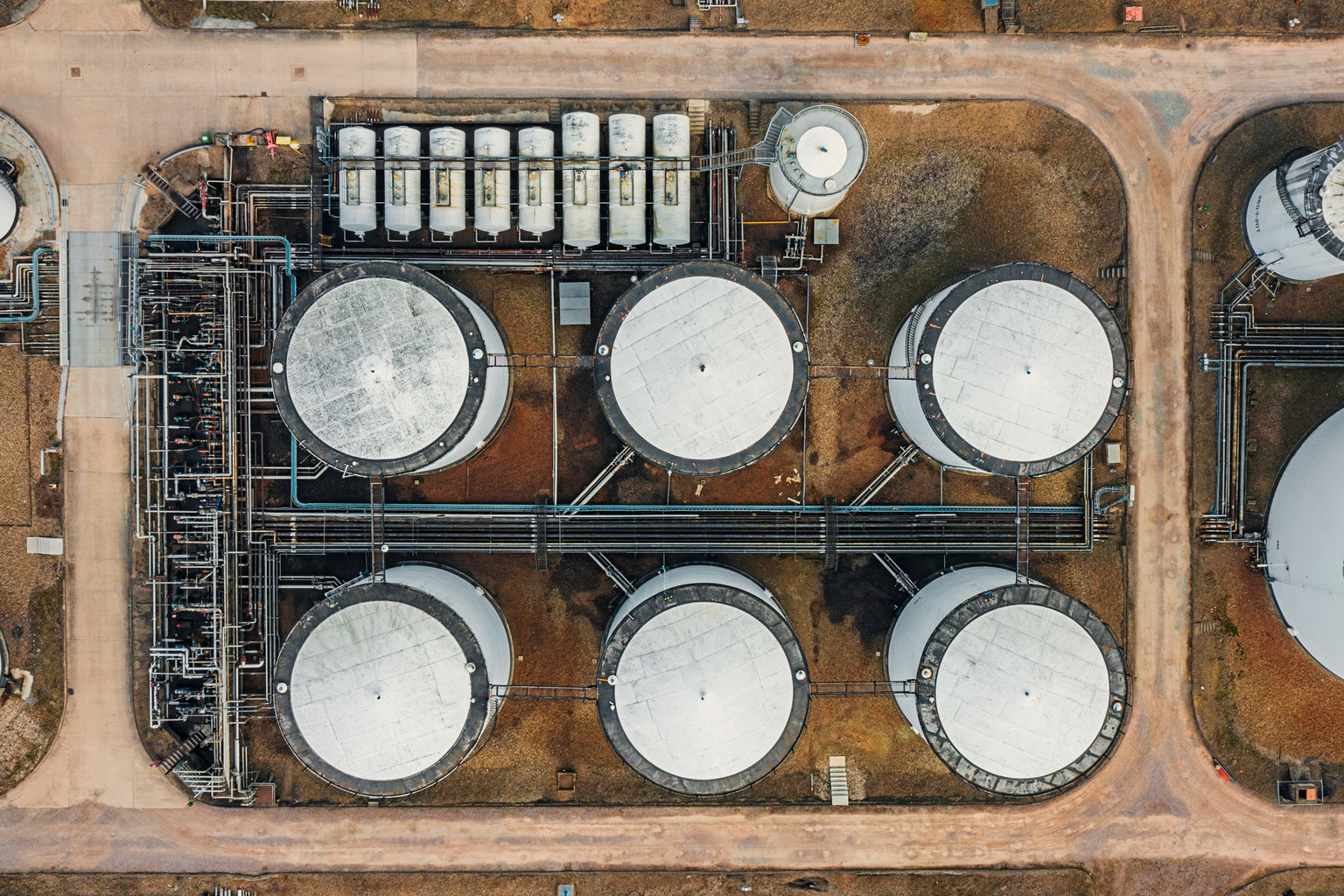
Refiners Are Quiet Winners in 2026: Wall Street's Signals Are Hard to Ignore
247Wallst· 2026-03-11 15:25
Core Insights - U.S. refiners are experiencing significant earnings growth and institutional investment, driven by favorable refining margins and access to discounted crude oil [1] Group 1: Company Performance - Marathon Petroleum (MPC) reported Q4 adjusted EPS of $4.07, exceeding consensus by 50.18%, with refining margins at $18.65 per barrel and 95% crude utilization [1] - Phillips 66 (PSX) achieved a record 88% clean product yield and 99% crude utilization, raising its dividend for 14 consecutive years [1] - Valero Energy (VLO) set a record throughput of 3.1 million barrels per day in Q4, maintaining the highest institutional ownership at 87.8% [1] Group 2: Market Dynamics - The refining sector benefits from widened crack spreads due to lower crude feedstock costs, with WTI crude at $64.51 in February 2026, down from $75.74 a year prior [1] - Institutional investors are aggressively positioning in U.S. refiners, with stocks surging approximately 31% to 40% year-to-date as of March 11, 2026 [1] Group 3: Analyst Ratings vs. Institutional Action - Analyst consensus ratings for Marathon Petroleum include eight Holds, six Buys, and four Strong Buys, with an average price target of $202.50, while the stock trades near $225 [1] - Phillips 66 has a consensus target of $160.15, with the stock trading near $168, indicating a divergence between analyst targets and market performance [1] - Valero Energy's average analyst target is $202.72, while the stock has increased by 84.89% over the past year [1] Group 4: Investment Considerations - High institutional ownership and stocks trading above analyst price targets suggest that traditional buy/hold/sell frameworks may be less effective [1] - The operational leverage in a favorable crack spread environment and disciplined capital return programs are key factors driving institutional confidence [1]