Oil

Search documents
Surging oil prices could wipe out benefits from Trump's ‘big beautiful bill'
CNBC· 2026-03-10 11:29
Core Insights - The rise in oil prices, currently at $88.20, represents a significant increase of over $20 per barrel since before the U.S.-Iran war, potentially leading to an additional $150 billion in consumer spending at the pump [1][2] - The individual tax cuts from the "big beautiful bill" amount to $129 billion for 2025, but the benefits may be offset by elevated oil prices, which could negate the fiscal advantages for consumers [3][7] - Analysts suggest that if oil prices remain high, the anticipated economic boost from tax refunds may be redirected towards energy costs, undermining consumer spending [8] Economic Impact - The total consumer spending on gasoline in Q4 2025 was over $420 billion, and any increase in oil prices could significantly impact this figure [2] - The fiscal stimulus from the tax law was expected to enhance economic growth in 2026, but the current oil price shock is occurring just as consumers are set to receive tax refunds [7] - Historical data indicates that it took about six months for oil prices to stabilize after previous surges, suggesting a prolonged period of elevated prices could have lasting effects [6] Market Reactions - Some analysts believe that the economic environment today is different from previous oil price surges, with lower core inflation and reduced job growth compared to past crises [10] - There is a divergence in opinions among analysts regarding the resilience of consumer spending in the face of rising oil prices, with some expressing confidence based on past performance during similar conditions [9]

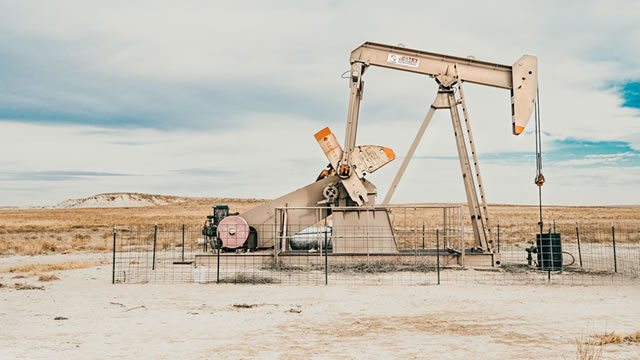

Oil futures slide 8% as energy ministers set to meet on emergency reserves
MarketWatch· 2026-03-10 10:33
Core Viewpoint - Oil futures experienced a significant decline as global leaders contemplate the release of emergency supplies amid the ongoing conflict in Iran, which has now entered its eleventh day [1] Group 1 - Oil futures took another swift dive on Tuesday [1] - The conflict in Iran has stretched into an eleventh day [1] - World leaders are considering releasing emergency supplies [1]
X @Bloomberg
Bloomberg· 2026-03-10 09:31
President Trump suggested on Monday that he could remove “certain oil-related sanctions to reduce prices,” but didn’t offer additional specifics https://t.co/sm3KNfPden ...
Crypto and Stocks Jump as Trump Signals Iran War Could End Soon
Yahoo Finance· 2026-03-10 09:12
Market Overview - Global markets experienced significant volatility, with Bitcoin recovering towards $70,000 and WTI crude oil dropping from $120 to $85 following President Trump's comments on the Iran conflict [1][2][3] Geopolitical Impact - Initial fears of a prolonged conflict in Iran led to concerns about global energy supply, but the narrative shifted quickly when Trump suggested a potential end to the war soon, resulting in a relief rally for risk assets [2][4] Bitcoin and Oil Correlation - Bitcoin surged 3.3% in response to the de-escalation news, reflecting its sensitivity to energy costs, as seen when it previously fell below $66,000 during oil price spikes [3][4] - The drop in oil prices is viewed as a tax cut for the global economy, allowing capital to flow back into riskier assets like Bitcoin [4] Market Reactions - Bitcoin is currently trading just below $72,000, recovering losses from a previous panic sell-off, while traditional markets also saw gains, with the Nasdaq up 1.25% and the S&P 500 gaining 0.8% [5][6] - Stocks closely tied to the digital asset market outperformed Bitcoin, indicating a strong correlation between crypto and traditional finance [6] Inflation and Federal Reserve - The escalation of war led to rising oil prices and inflation expectations, which would hinder the Federal Reserve's ability to cut interest rates, negatively impacting liquidity for speculative assets [6] - Conversely, the de-escalation and subsequent drop in oil prices alleviated inflation fears, increasing the likelihood of Fed rate cuts and boosting liquidity for risk assets [6]
Is A Potential 'Bear Stearns' Moment On The Horizon?
Seeking Alpha· 2026-03-10 09:00
Group 1 - The Middle East situation and energy markets are currently under significant scrutiny, particularly due to oil experiencing its largest weekly gain since futures began in 1983 [2] - Investors are encouraged to remain vigilant regarding market developments, especially in high beta sectors like biotech, which may offer substantial returns [2] Group 2 - The Biotech Forum provides a model portfolio featuring 12-20 high upside biotech stocks, along with live discussions on trade ideas and weekly market commentary [2] - The forum is led by an experienced market analyst with over 13 years in the field, focusing on identifying potential winners in the biotech sector [2]

Middle East countries cut daily oil output, Bloomberg News reports
Reuters· 2026-03-10 08:15
Group 1 - Saudi Arabia has reduced its oil output by 2 million to 2.5 million barrels per day [1] - The United Arab Emirates has cut its oil output by 500,000 to 800,000 barrels per day [1] - Kuwait has decreased its oil output by 500,000 barrels per day [1] - Iraq has lowered its oil output by approximately 2.9 million barrels per day [1]

CNBC Daily Open: Markets recover as Trump hints Iran war is nearing its end
CNBC· 2026-03-10 07:37
Core Viewpoint - Oil prices are declining as investors react to U.S. President Trump's comments regarding the potential early end to the war and threats to increase attacks on Tehran if oil flow through the Strait of Hormuz is obstructed [1][2]. Group 1: Market Reactions - U.S. stock futures were lower as traders evaluated Trump's comments, which indicated a possible escalation in the Strait of Hormuz [3]. - South Korea's Kospi index rose more than 5%, leading gains in Asia, while European markets were expected to open positively as oil prices reduced their losses [2]. Group 2: Geopolitical Developments - The Strait of Hormuz, a critical chokepoint for oil, has been effectively closed, with warnings from Iranian officials for oil tankers to exercise caution [3]. - Amid the geopolitical tensions, there has been a surge in speculative betting on the Iran war, raising concerns about the implications of such predictions in markets [4]. Group 3: Domestic Responses - In response to the oil price shock, South Korea has imposed a price cap on fuel products for the first time in 30 years, with President Lee Jae Myung indicating a need to diversify energy import sources as gasoline prices rise [3].

Oil Prices Fall After Trump Says War Will End 'Very Soon'
Youtube· 2026-03-10 07:20
Core Viewpoint - Oil markets are experiencing significant volatility due to the ongoing Iran war, with crude prices fluctuating dramatically, recently dropping below $100 after nearing $120 per barrel. The potential for a peace deal is seen as a key factor in stabilizing prices [1][2]. Group 1: Market Reactions - The market is closely monitoring the possibility of a peace deal, which could significantly impact oil prices and market stability [2][3]. - The release of oil from strategic reserves is being considered as a measure to stabilize prices, with G-7 countries prepared to act if necessary [4]. - The reopening of the Strait of Hormuz for oil passage is another critical factor that could influence market conditions [4][5]. Group 2: Government Actions - President Trump has suggested potential guarantees from the US Navy to ensure safe passage for tankers, indicating a proactive approach to managing risks in the region [5]. - The lack of naval escorts for tankers in the past has raised concerns, highlighting the need for increased security measures in the area [5].