显示面板

Search documents
维信诺(002387) - 2025年8月29日投资者关系活动记录表
2025-09-01 08:38
Company Overview - Visionox is a leading innovative supplier of new display solutions, focusing on the research, production, and sales of AMOLED displays for various applications including smartphones, wearables, and automotive displays [2][3] - The company maintains strong partnerships with major brands such as Honor, Xiaomi, OPPO, and Google, ensuring a robust market presence [2] Market Trends - The global AMOLED market is experiencing rapid growth, with a projected shipment of over 750 million smartphone AMOLED panels in 2025, representing a penetration rate of over 60% in the smartphone market [2] - The compound annual growth rate (CAGR) for IT product AMOLED panel shipments is expected to reach 26.5% by 2030, while automotive display AMOLED panel shipments are projected to grow at a CAGR of 30.6% [3] Financial Performance - In the first half of 2025, Visionox achieved a revenue of 4.121 billion yuan, marking a year-on-year growth of 4.79% [3] Product Development - The company is actively developing technologies for foldable smartphones, aiming to transition foldable screens from niche products to mainstream options [4] - Visionox has made significant advancements in localizing its supply chain, achieving a substantial increase in local sourcing rates [5] Technological Innovations - The company has introduced solid-state laser annealing (SLA) technology, which addresses long-standing industry challenges and improves display uniformity while reducing production costs [5] - Visionox's ViP technology features a high aperture ratio of 69%, enhancing brightness and lifespan, and enabling innovative applications such as transparent displays [6] Production Capacity - Visionox is investing in high-generation AMOLED production lines, with the first line expected to commence operations in September 2024, targeting the mid-to-large size market [6]

多家面板公司上半年业绩改善
Di Yi Cai Jing· 2025-09-01 02:16
Group 1 - TCL Technology reported a revenue of 85.56 billion yuan for the first half of 2025, a year-on-year increase of 6.65%, and a net profit of 1.883 billion yuan, up 89.26% [1] - In the semiconductor display sector, TCL Huaxing achieved a revenue of 50.43 billion yuan, growing 14.4% year-on-year, with a net profit of 4.32 billion yuan, an increase of 74% [1] - BOE, another major player in the panel industry, reported a revenue of 101.278 billion yuan for the same period, a year-on-year increase of 8.45%, and a net profit of 3.247 billion yuan, up 42.15% [1] Group 2 - The industry is experiencing a shift towards high profitability, high technology, and high added value, moving away from a focus on scale and market share [2] - TCL Technology completed the acquisition of 100% equity in LG Display (China) and LG Display (Guangzhou), indicating a trend of supply-side capacity concentration and industry optimization [2] - The LCD TV panel market faced significant fluctuations in supply and demand, with a notable drop in prices and a decrease in demand during the second quarter [2] Group 3 - TCL Technology's senior vice president expects a 3% to 4% quarter-on-quarter increase in TV panel shipments in the third quarter, driven by shopping season factors, with prices expected to stabilize [3] - The industry is looking for growth opportunities in new product categories, such as foldable screens, especially with potential entry from major players like Apple [3]


维信诺8月29日获融资买入1447.74万元,融资余额3.03亿元
Xin Lang Cai Jing· 2025-09-01 02:16
Core Viewpoint - The financial performance and trading activity of Visionox Technology Co., Ltd. indicate a low level of financing and short selling, alongside a slight increase in shareholder numbers and a decline in average shares held per shareholder [1][2]. Group 1: Financial Performance - For the first half of 2025, Visionox reported operating revenue of 4.121 billion, representing a year-on-year growth of 4.79% [2]. - The company recorded a net profit attributable to shareholders of -1.062 billion, which is a year-on-year improvement of 9.74% [2]. - Cumulative cash dividends since the A-share listing amount to 53.2384 million, with no dividends paid in the last three years [2]. Group 2: Trading Activity - On August 29, Visionox's stock price fell by 1.05%, with a trading volume of 194 million [1]. - The financing buy-in amount for Visionox on the same day was 14.4774 million, while the financing repayment was 16.0887 million, resulting in a net financing outflow of -1.6113 million [1]. - The total financing and securities lending balance for Visionox as of August 29 was 303 million, which is 2.09% of the circulating market value and below the 30th percentile level over the past year [1]. Group 3: Shareholder Information - As of August 20, the number of shareholders for Visionox increased to 67,900, up by 9.20% from the previous period [2]. - The average number of circulating shares held per shareholder decreased to 20,545, down by 8.43% [2]. - As of June 30, 2025, Hong Kong Central Clearing Limited was the ninth largest circulating shareholder, holding 8.2311 million shares, an increase of 173,500 shares from the previous period [2].
深天马A:2025年上半年研发投入金额约15.7亿元
Mei Ri Jing Ji Xin Wen· 2025-09-01 01:33
Group 1 - The company emphasizes innovation-driven strategies and enhances forward-looking technology layout and product technology development [2] - The company's R&D investment for the first half of 2025 is approximately 1.57 billion yuan, focusing on flexible AMOLED, LCD technologies, and applications in smartphones, automotive, and IT display sectors [2]


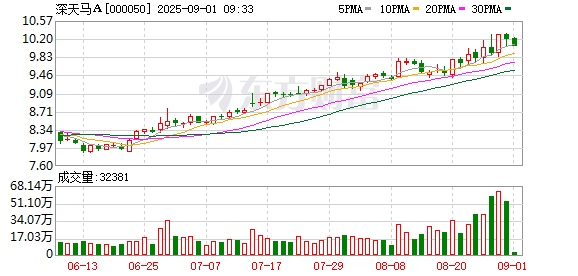
京东方三星LG显示瓜分iPhone屏幕订单,三足鼎立格局持续
3 6 Ke· 2025-08-31 10:51
Core Insights - Three companies, BOE, Samsung Display, and LG Display, are set to dominate Apple's iPhone screen orders, marking a shift from a duopoly to a triopoly in the OLED panel market [1][2] - UBI Research forecasts that the competition and order distribution among these three suppliers will significantly impact the global smartphone panel market [1] Group 1: Company Performance - BOE successfully supplied 43 million panels for the iPhone 16 standard model last year and is expected to provide around 5 million panels for the iPhone 17 Pro in 2025, bringing total shipments to 45-50 million [1] - Samsung Display shipped 63.8 million panels for the iPhone 16 series, contributing to a total of 124 million panels for all iPhone models, and is projected to maintain its position as the largest OLED panel supplier for the iPhone 17 series with an expected shipment of 78 million panels [2] - LG Display supplied 42 million panels for the iPhone 16 series, with total shipments reaching 67.42 million, and is expected to increase its supply to 45.6 million panels for the iPhone 17 series [2] Group 2: Market Dynamics - The overall iPhone panel shipment last year was over 230 million, with Samsung and LG splitting the remaining market share after BOE's contribution [1] - The competition among BOE, Samsung, and LG is anticipated to be a crucial factor in the future of the smartphone panel market, particularly in high-end LTPO panel production [2]

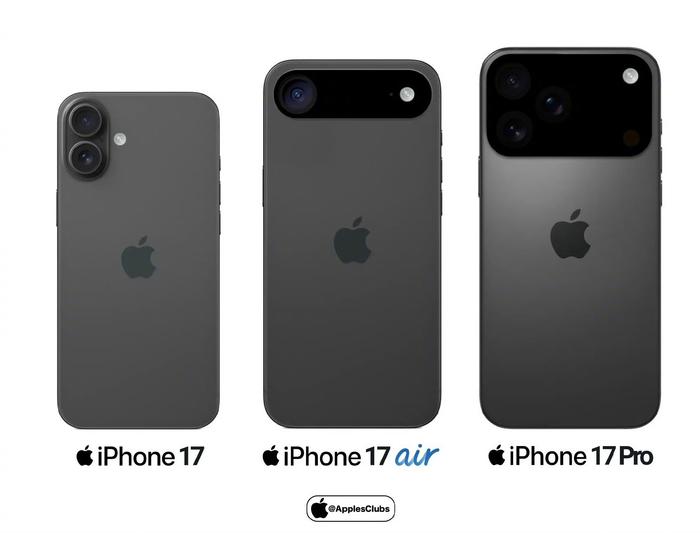
“面板双雄”上半年净利润增长,业内预计电视面板三季度出货回暖
第一财经· 2025-08-30 10:43
Core Viewpoint - TCL Technology reported a strong performance in the first half of 2025, with revenue and net profit showing significant growth, indicating a positive trend in the semiconductor display sector and overall industry recovery [3][5]. Financial Performance - TCL Technology's revenue for the first half of 2025 reached 85.56 billion yuan, a year-on-year increase of 6.65%, while net profit was 1.883 billion yuan, up 89.26% [3]. - TCL Huaxing, a subsidiary, generated revenue of 50.43 billion yuan, marking a 14.4% increase, and net profit of 4.32 billion yuan, up 74% [3]. - BOE Technology, another major player, reported revenue of 101.278 billion yuan, a growth of 8.45%, and net profit of 3.247 billion yuan, increasing by 42.15% [5]. Industry Trends - The display industry is undergoing a transformation, with TCL Technology completing acquisitions of LG Display's subsidiaries, indicating a consolidation of supply capacity and an optimization of industry structure [6]. - The industry is shifting from a focus on scale and market share to prioritizing high profitability, advanced technology, and added value [6]. - Factors benefiting the panel industry include government subsidies stimulating consumer electronics demand, although the LCD TV panel market experienced fluctuations in supply and pricing [6][7]. Market Dynamics - The second quarter of 2025 saw a decline in LCD TV panel shipments, with 57.4 million units shipped, the lowest quarterly level since 2019, reflecting a contraction in the television market [7]. - TCL Technology anticipates a 3% to 4% increase in TV panel shipments in the third quarter due to seasonal shopping trends, with prices expected to stabilize [7]. - The industry is exploring growth opportunities in new product categories, such as foldable screens, particularly with expectations of major players like Apple entering the market [7].
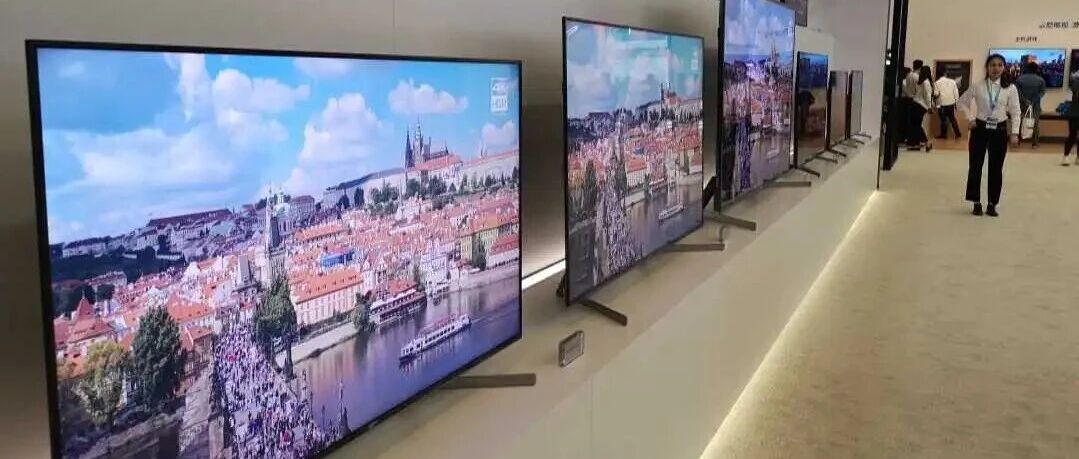
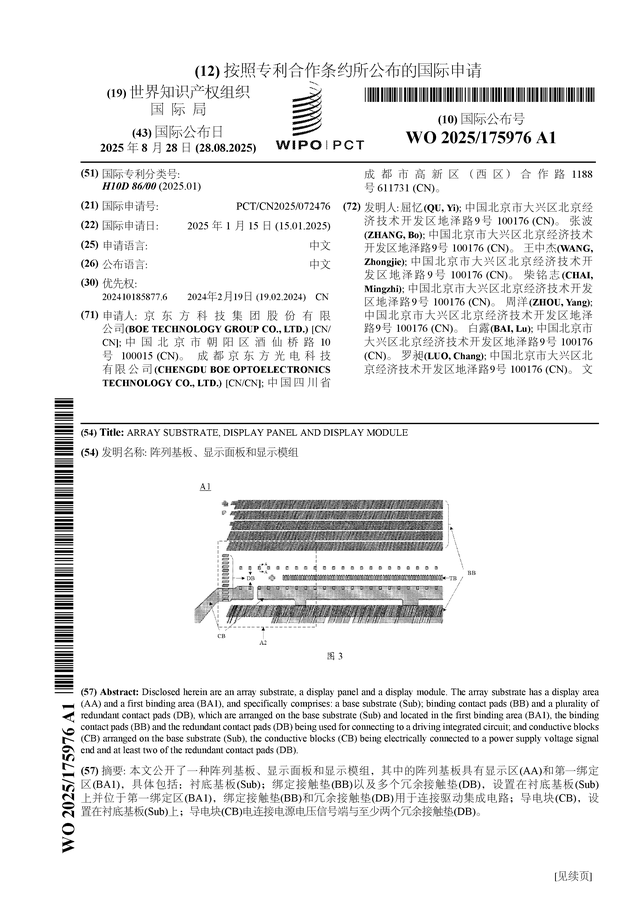
京东方A公布国际专利申请:“阵列基板、显示面板和显示模组”
Sou Hu Cai Jing· 2025-08-29 21:49
Group 1 - The core point of the article is that BOE Technology Group Co., Ltd. (京东方A) has filed an international patent application for a new technology related to array substrates, display panels, and display modules, with the application number PCT/CN2025/072476 and an international publication date of August 28, 2025 [1] - In 2023, BOE has announced a total of 764 international patent applications, representing a year-on-year increase of 20.31% compared to the same period last year [4] - The company invested 6.046 billion yuan in research and development in the first half of 2023, which is a 4.13% increase year-on-year [4]
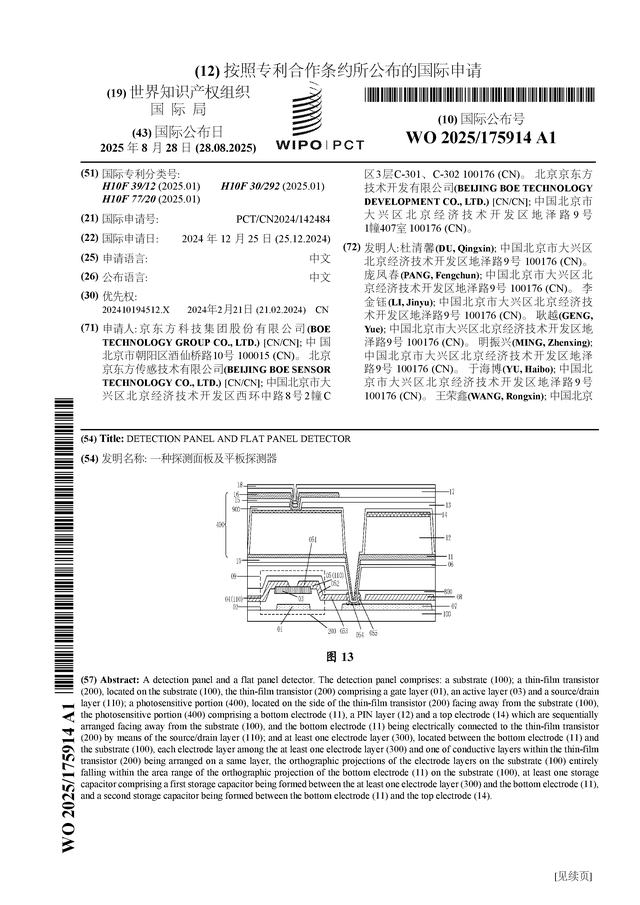
京东方A公布国际专利申请:“一种探测面板及平板探测器”
Sou Hu Cai Jing· 2025-08-29 21:49
Group 1 - BOE Technology Group has filed 764 international patent applications this year, representing a year-on-year increase of 20.31% [3] - In the first half of 2023, BOE invested 6.046 billion yuan in research and development, which is a 4.13% increase compared to the same period last year [3] Group 2 - The A50 ETF, which tracks the MSCI China A50 Connect Index, has seen a recent five-day change of 5.24% [6] - The latest share count for the A50 ETF is 3.07 billion, with a reduction of 15.6 million shares, while the net inflow of main funds is 15.37 million yuan [6]
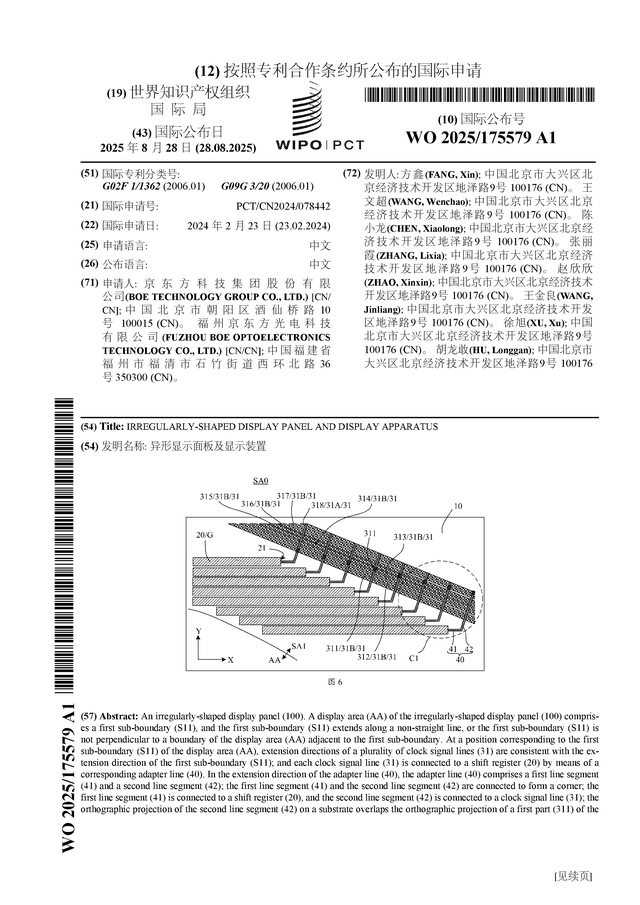
京东方A公布国际专利申请:“异形显示面板及显示装置”
Sou Hu Cai Jing· 2025-08-29 21:49
Group 1 - The core point of the article is that BOE Technology Group Co., Ltd. (京东方A) has filed an international patent application for a "special-shaped display panel and display device," with the application number PCT/CN2024/078442, and the international publication date set for August 28, 2025 [1] - In 2023, BOE has announced a total of 764 international patent applications, representing a year-on-year increase of 20.31% compared to the same period last year [4] - The company invested 6.046 billion yuan in research and development in the first half of 2023, which is a 4.13% increase year-on-year [4]
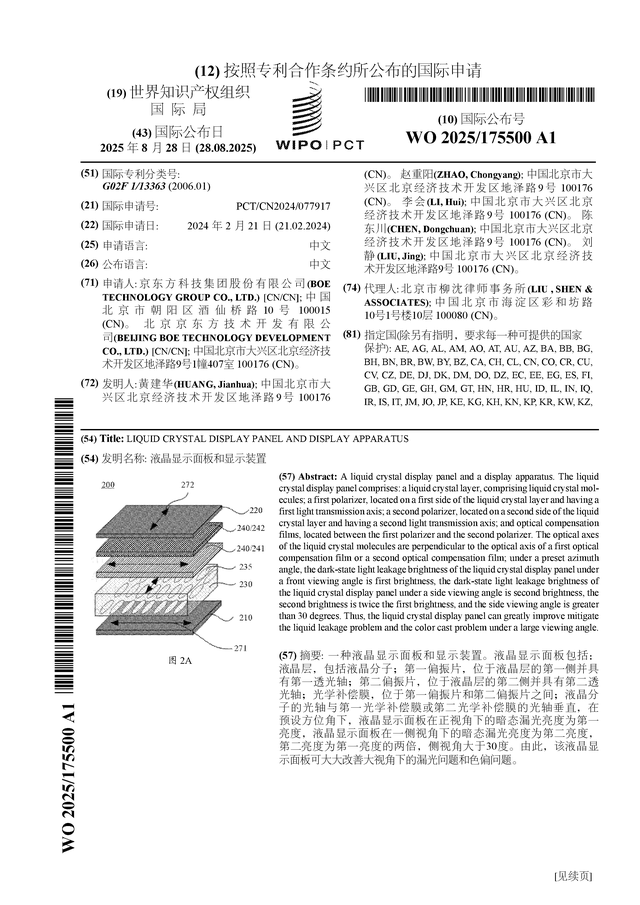
京东方A公布国际专利申请:“液晶显示面板和显示装置”
Sou Hu Cai Jing· 2025-08-29 21:49
Group 1 - The core point of the article highlights that BOE Technology Group has significantly increased its international patent applications in 2023, with a total of 764 applications, representing a 20.31% increase compared to the same period last year [3] - The company has invested 6.046 billion yuan in research and development in the first half of the year, which is a 4.13% year-on-year increase [3] Group 2 - The A50 ETF, which tracks the MSCI China A50 Connect Index, has experienced a 5.24% change in the last five days [6] - The latest share count for the A50 ETF is 3.07 billion, with a reduction of 15.6 million shares, while the net inflow of main funds is 15.37 million yuan [6]