保温瓶制造

Search documents
百年南口重镇 崛起科学新城
Bei Jing Ri Bao Ke Hu Duan· 2025-09-15 22:19
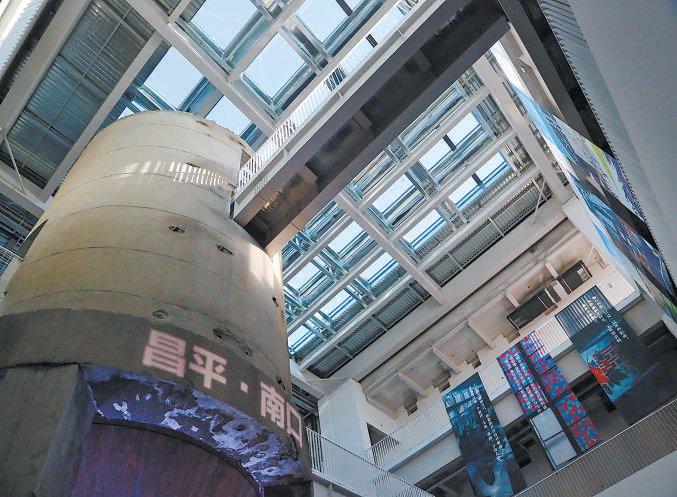
Core Viewpoint - The article highlights the historical significance of the Nankou area during the Second Sino-Japanese War and its transformation from an industrial hub to a modern scientific research base, emphasizing the ongoing development and revitalization efforts in the region. Historical Context - The Nankou area was a critical battleground during the 1937 Nankou Campaign, where Chinese forces faced Japanese troops, resulting in significant casualties on both sides. The campaign lasted nearly 20 days, with Chinese forces suffering over 30,000 casualties while inflicting around 15,000 casualties on the Japanese [4][5]. - The area is now commemorated for its historical importance, with local residents recalling the sacrifices made during the war [11]. Industrial Development - In the 20th century, Nankou became an industrial powerhouse with the establishment of three major factories, including the famous Luhua Thermos Factory, which produced up to 8,000 thermoses daily at its peak [5][6]. - The industrial legacy of Nankou is marked by the transformation of these factories into modern research facilities, with the Luhua Thermos Factory now part of the Tsinghua University Nankou National Key Laboratory Base [7][8]. Modern Transformation - The Nankou area is undergoing significant redevelopment, with a strategic partnership between the Changping District government and Tsinghua University aimed at creating a national key laboratory base, which will be the largest outside the main campus [7][8]. - The redevelopment includes the construction of a "Scientist Town" with over one million square meters of supporting infrastructure, including residential areas, schools, and parks, to foster innovation and collaboration [10]. Future Prospects - The completion of the Tsinghua Nankou National Key Laboratory Base is expected to enhance the region's role in scientific research and innovation, contributing to the broader development of the "Three Cities and One District" initiative [10].