
医美填充剂

Search documents
胶原蛋白填充剂入局者激增,三类注册证不再是稀缺资源
第一财经· 2026-02-13 08:53
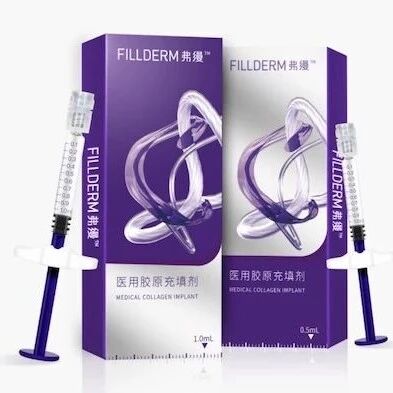
Core Viewpoint - The collagen filler market is experiencing increased competition, leading to concerns about maintaining high profit margins as more products enter the market [2][3]. Market Dynamics - Companies like Qipu Bio and Juzi Bio have recently received Class III medical device registration for their collagen fillers, contributing to a total of nine products approved since last year, surpassing previous totals [3]. - Collagen fillers are gaining popularity as a non-invasive option for facial enhancement, similar to hyaluronic acid, with some companies reporting gross profit margins exceeding 80% [3]. - The influx of collagen fillers may lead to price wars, similar to the hyaluronic acid market, which could pressure company performance [3][4]. Competitive Landscape - The increasing number of manufacturers in the collagen filler space is seen as beneficial for market growth but poses risks to profit margins due to potential price competition [4]. - Experts suggest that the focus should shift back to clinical efficacy and long-term value rather than short-term price competition [4]. Consumer Insights - Consumer satisfaction in high-end medical aesthetics is centered around "natural effects" and "duration," while price-sensitive users are becoming more prevalent in lower-tier markets [5]. - The core consumer understanding is evolving to consider age, problem areas, and budget when selecting brands [5]. Industry Evolution - The industry is transitioning from a phase of rapid, unregulated growth to a more mature and standardized market, with consumers willing to pay for quality rather than just price [5][6]. - Companies are investing in research and development to innovate beyond traditional manufacturing processes, aiming for breakthroughs in collagen technology [6].

避坑“美丽陷阱”!上海九院皮肤科副主任医师陈骏博士起底玻尿酸与胶原蛋白科学美容
2 1 Shi Ji Jing Ji Bao Dao· 2025-06-10 13:31
Core Insights - The Chinese beauty market is experiencing significant growth driven by ingredient-focused marketing, but there is a widening gap between consumer expectations and regulatory standards [1] - The complexity of new ingredients like bioactive peptides and plant extracts has outpaced existing national standards, leading to regulatory challenges [1][7] - Social media's promotion of high-concentration ingredients has resulted in consumer misconceptions about safety and efficacy, increasing the risk of health issues [1] Group 1: Medical Applications - Hyaluronic acid (HA) is primarily used for facial filling and shaping, addressing issues like wrinkles and volume loss, while collagen is crucial for skin firmness and elasticity [2][3] - HA provides immediate results and strong moisturizing effects, but its effects last only 6-12 months, requiring regular maintenance [4] - Collagen injections take longer to show results (1-2 weeks) but can stimulate the body's own collagen production, with effects lasting 6-18 months or longer [5] Group 2: Market Dynamics - HA dominates the aesthetic filler market due to lower production costs and widespread application, while collagen's market share is smaller but growing faster [8][9] - The production cost of collagen is 3-5 times higher than that of HA, which contributes to its higher retail price [8] - High prices for collagen may slow its market penetration, particularly in emerging markets, but some consumers view the cost as a reflection of quality [9] Group 3: Regulatory and Testing Standards - Current testing methods for HA include high-performance liquid chromatography (HPLC) and gel permeation chromatography (GPC), while collagen is tested using methods like the Kjeldahl method and BCA assay [6][7] - Regulatory focus is on purity, molecular weight distribution, and biological safety, with HA standards being more established than those for collagen [7] - The rapid development of new materials outpaces the evolution of traditional quality standards, posing challenges for regulatory compliance [7] Group 4: Future Trends - The next five years may see increased integration of HA and collagen in applications aimed at improving skin hydration and elasticity [10] - Innovations in synthetic biology could lead to breakthroughs in the use of collagen in tissue engineering and regenerative medicine [10] - As competition intensifies, prices for both HA and collagen products may decrease, driven by technological advancements and market entry of new players [11]