垂钓产业

Search documents
湖北为“野钓”划定“省级规范”
Chang Jiang Ri Bao· 2026-01-12 00:51
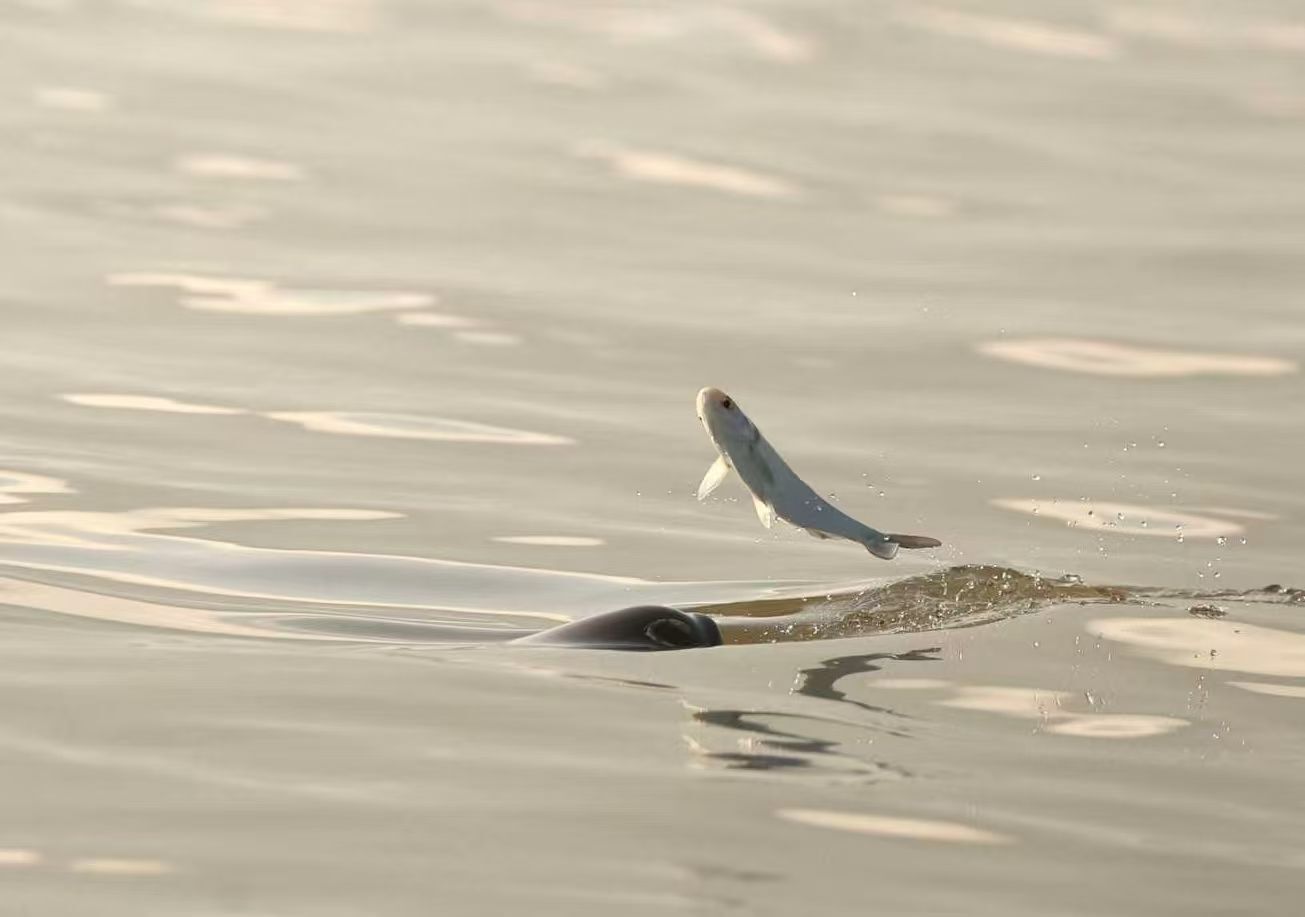
Core Viewpoint - The article discusses the positive impact of the "Ten-Year Fishing Ban" on the Yangtze River, highlighting improvements in water quality and biodiversity, while also addressing the need for regulations on recreational fishing to protect aquatic life and ensure sustainable practices [4][19]. Group 1: Ecological Improvements - The "Ten-Year Fishing Ban" initiated on January 1, 2021, has led to significant improvements in water quality and biodiversity in the Yangtze and Han Rivers, with sightings of dolphins and other aquatic species becoming more common [4]. - The number of recreational fishing enthusiasts in the Yangtze River basin has reached over 30 million, with approximately 1 million in Wuhan alone, indicating a growing interest in sustainable fishing practices [4]. Group 2: Regulatory Measures - The "Interim Measures for the Management of Recreational Fishing in the Hubei Province" has been issued, establishing clear regulations on fishing locations, gear, bait, and catch limits for millions of anglers in the province [5]. - Five categories of fishing prohibition zones have been defined, including natural reserves and critical habitats, to protect aquatic biodiversity [6]. - Local agricultural and rural departments are empowered to designate additional fishing prohibition areas based on local ecological conditions and public recreational needs [10]. Group 3: Fishing Practices and Restrictions - The regulations define "recreational fishing" as a non-commercial activity that does not harm fishery resources, and outline prohibited fishing techniques, including the use of multiple hooks and advanced technology like drones and fish finders [11][14]. - A "total catch control" principle has been introduced, limiting the amount of fish that can be taken home, with specific guidelines suggesting a maximum of 7.5 kilograms per angler per day [15][18]. Group 4: Economic Impact and Opportunities - The fishing industry in Hubei has a significant economic footprint, with over 400 million people participating in fishing activities and an annual output value exceeding 13.5 billion yuan [20]. - The Wuhan Fishing Challenge has emerged as a premier event, with plans to elevate it to an international competition, showcasing the potential for growth in the recreational fishing sector [22]. - The integration of fishing with agriculture, tourism, and ecological initiatives is being explored to create a new urban brand that promotes sustainable development [22].