
长江大保护

Search documents
新春走基层丨白马湖畔新年好
Yang Guang Wang· 2026-02-23 00:42
Core Viewpoint - The transformation of the fishing community in Bai Ma Lake Village, Jiangsu Province, is highlighted, showcasing the shift from traditional fishing to new livelihoods through e-commerce and improved living conditions due to environmental protection policies [1][3]. Group 1: Community Transformation - The fishing community has transitioned from a life dependent on fishing to engaging in e-commerce and local product sales, significantly improving their quality of life [4][5]. - The implementation of the "Yangtze River Protection" initiative and the ban on fishing have led to the development of aquaculture and a focus on local specialties, providing new economic opportunities for former fishermen [3][5]. Group 2: Living Conditions - Residents, such as Liu Yuanbiao, have moved into newly constructed homes in the Yule Bay community, featuring modern amenities like large windows and heating, marking a significant improvement from their previous living conditions on boats [3][5]. - The community now enjoys a vibrant social life, with festive gatherings and increased interaction among neighbors, contrasting sharply with their past isolated existence [2][3]. Group 3: Environmental Improvement - The environmental conditions of Bai Ma Lake have improved significantly, with local fishermen organizing patrols to maintain cleanliness and monitor the lake's health [5]. - The once polluted waters are now described as clean, contributing to a better living environment and quality of life for the residents [5].
“没有长江大保护,就没有沿江产业的凤凰涅槃。”
Xin Hua She· 2026-02-23 00:04
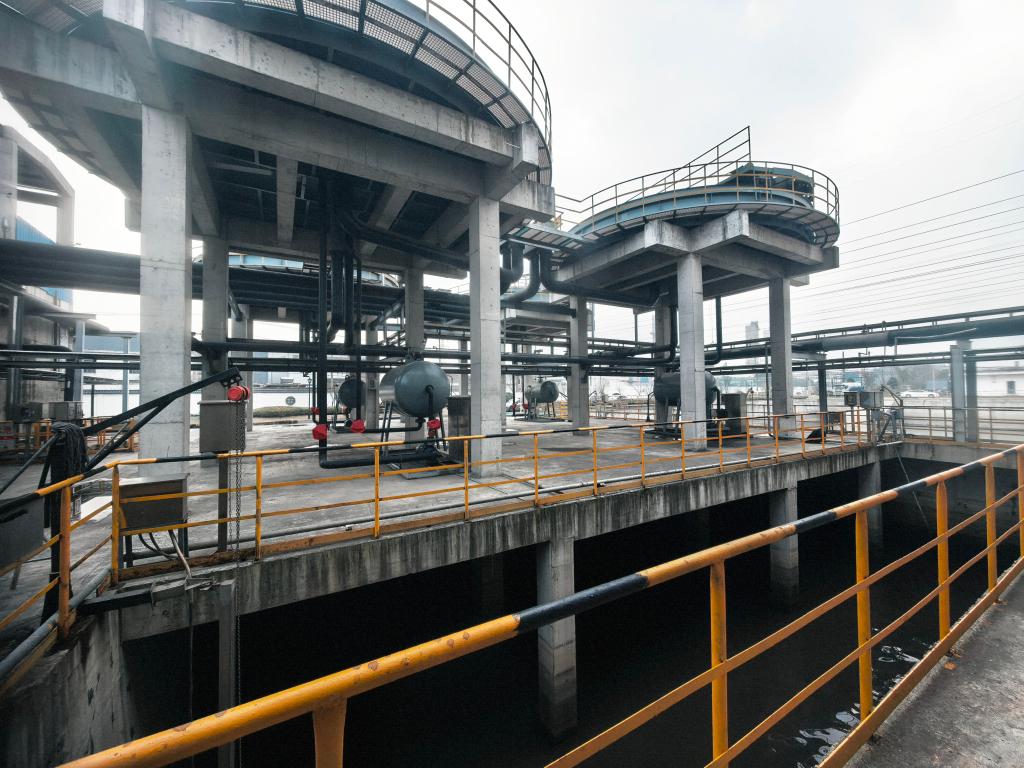
Core Viewpoint - The article highlights the significant ecological improvements along the Yangtze River, driven by the efforts of companies like Hubei Xingfa Chemicals Group, which have invested heavily in environmental protection and industrial upgrades. Group 1: Environmental Protection Efforts - Hubei Xingfa Chemicals has permanently closed four wastewater discharge outlets and upgraded its wastewater treatment capacity to 1.5 times the actual demand, ensuring that treated wastewater meets standards before entering municipal systems [2] - The company has invested over 10 billion yuan in upgrading its industrial processes and has removed production facilities valued at 1.358 billion yuan to free up over 900 meters of riverbank [2] Group 2: Industrial Transformation - The new materials industrial park has developed a circular industrial chain, enhancing the value-added aspects of the phosphorus chemical industry [3] - The company has shifted from selling basic chemical raw materials to high-value new materials and electronic-grade chemicals, with significant technological investments leading to a change in product measurement from "tons" to "grams" [3] Group 3: Talent and Innovation - The number of PhD researchers in the laboratory has increased from fewer than 10 to over 70, focusing on breakthroughs in microelectronic chemicals and new energy materials [4] - The establishment of the Hubei Three Gorges Laboratory aims to bridge the gap between research and application, emphasizing the importance of technology in overcoming industry challenges [3][4] Group 4: Economic and Ecological Impact - The transformation of the chemical industry in Yichang has resulted in a significant increase in the proportion of fine chemicals from 18.6% to approximately 50% within the phosphorus chemical circular industry cluster [4] - The ecological restoration efforts have led to the creation of green spaces and parks along the river, enhancing community engagement with the environment [6]

“十四五”时期人民法院服务保障长江流域生态环境保护成效显著
Xin Hua Wang· 2026-02-19 04:05
Core Viewpoint - The Supreme People's Court of China is actively enhancing its judicial functions to support ecological protection and sustainable development in the Yangtze River Basin during the "14th Five-Year Plan" period [1] Group 1: Judicial Actions and Guidelines - The Supreme People's Court has issued six guiding opinions to support ecological civilization construction and green development in the Yangtze River Basin [1] - A total of 23 environmental resource judicial interpretations have been formulated and revised [1] - The court has published 55 specialized guiding cases related to environmental resources, along with 478 typical cases in 53 batches, enriching green adjudication rules [1] Group 2: Future Directions - The People's Court will continue to strengthen ecological environment protection and restoration in the Yangtze River Basin, focusing on pollution prevention and control [1] - There will be a legal crackdown on illegal activities such as industrial wastewater discharge and illegal dumping of solid waste [1] - The emphasis will be on prioritizing the restoration of the Yangtze River's ecological environment, combining natural recovery with artificial restoration to promote better ecological recovery and support the green transformation of the regional economy and society [1]
长江之畔写青春——岳阳君山税务团委获评全国五四红旗团委
Xin Lang Cai Jing· 2026-02-14 10:20
Core Viewpoint - The Youth League Committee of the Taxation Bureau in Junshan District, Yueyang City, has been awarded the title of "National May Fourth Red Flag Youth League Committee" for its innovative and dedicated efforts in tax law promotion and ecological protection, showcasing the role of youth in public service and environmental conservation [1]. Group 1: Tax Law Promotion and Ecological Protection - The Junshan District Taxation Bureau's Youth League Committee integrates tax law promotion with ecological protection, supporting the "Protecting the Yangtze River" initiative [2]. - The "Happiness Tax" cloud live broadcasts, led by the Youth League Committee, have attracted 180,000 viewers and generated 52,000 interactive comments, making tax policy accessible to the public [2]. - Young tax officer Hong Jinbo participated in a cross-provincial live broadcast on ecological tax law, promoting green tax concepts along the Yangtze River [2]. Group 2: Support for Fishermen and Local Economy - The Youth League Committee established a "Green Tax Benefit Special Team" to assist fishermen transitioning from fishing to other livelihoods, providing hands-on support for social security and health insurance [3]. - The initiative has helped 487 fishermen successfully transition to online sales, with the "Sixmen Gate Dried Fish" achieving national geographical indication certification and annual sales exceeding 120 million [3]. Group 3: Emergency Response and Community Service - In response to flooding, the Youth League Committee formed a "Jun Tax Youth Cavalry" team to assist in flood relief efforts, successfully addressing 28 emergency situations over 35 days [4]. - The team's dedication and actions have been recognized by various media outlets, highlighting their role as a reliable "life line" for the local community [4]. Group 4: Youth Development and Training - The Youth League Committee focuses on youth development through the "Strong Foundation Project," creating platforms for growth and innovative training mechanisms [5]. - The "Youth Tax Growth Plan" provides practical experience for young employees, leading to significant improvements in tax processing efficiency and the development of a rapid dispute resolution platform [6]. - The achievements of young tax professionals have been recognized, with several members receiving accolades for their contributions to the tax system [6].
新春走基层·十村十年看长江之变丨安徽当涂长江村:因钢而名的村庄,打开了“久闭的窗”
Xin Hua She· 2026-02-09 14:40
Group 1 - The village of Changjiang was named after Changjiang Steel, which was established in 2001, providing employment for many villagers [2] - The average monthly salary for villagers employed at Changjiang Steel has increased from 3,000 yuan to approximately 7,000 yuan [3] - The company has faced challenges regarding environmental pollution, with villagers recalling poor air quality and unpleasant odors in the past [3][4] Group 2 - Since 2016, the Chinese government has emphasized ecological protection along the Yangtze River, presenting a new challenge for steel companies like Changjiang Steel [3] - In 2019, Changjiang Steel was acquired by Baowu Group, which initiated an environmental protection plan focusing on energy conservation, water resource management, and low emissions [3] - The company has invested over 2 billion yuan in environmental protection efforts, significantly reducing water consumption in steel production by approximately 20% [4][7] Group 3 - Improvements in environmental management have allowed villagers to open their windows again, indicating a positive change in air quality [6] - The implementation of dust suppression measures at the raw material yard has led to a cleaner environment, benefiting local agriculture [6] - The overall quality of life for villagers has improved due to stable incomes and a better living environment, as highlighted by local leaders [7]

新春走基层·十村十年看长江之变丨湖南临湘长江村:碧水长流新渔歌
Xin Hua Wang· 2026-02-09 00:52
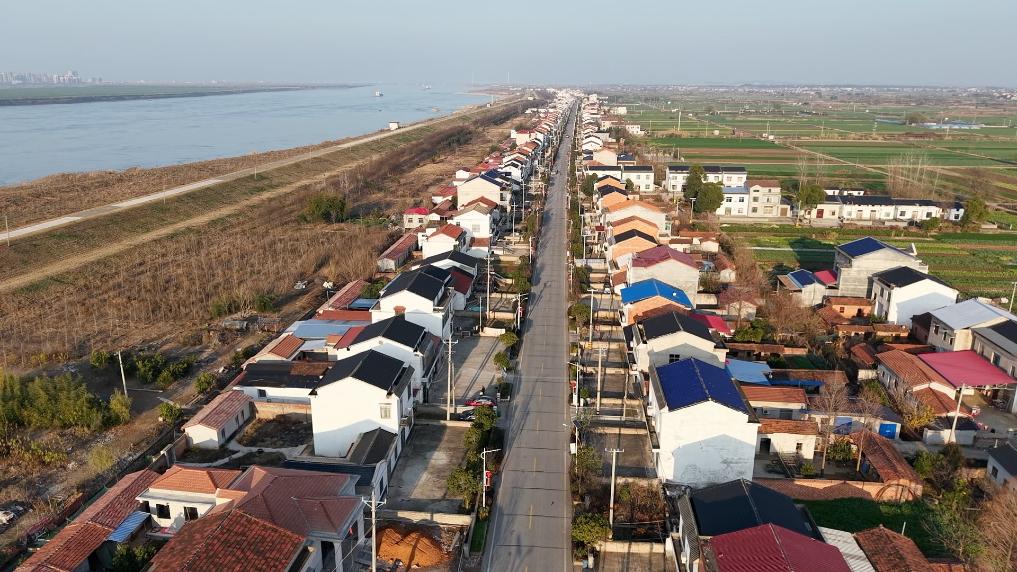
Core Viewpoint - The article highlights the transformation of Changjiang Village in Hunan Province, where the community has shifted from traditional fishing practices to eco-friendly tourism and agriculture, leading to improved livelihoods and environmental restoration [1][3][5]. Group 1: Community Transformation - Changjiang Village's residents have historically relied on the Yangtze River for their livelihoods, but overfishing and environmental degradation prompted a need for change [3][5]. - The village's leadership recognized the necessity of balancing ecological protection with economic development, leading to the cessation of harmful fishing practices and the implementation of a wastewater treatment system [3][5][6]. Group 2: Economic Development through Eco-Tourism - The village has transitioned to cultivating over 2,000 acres of rapeseed, leveraging the beauty of the rapeseed flower fields to attract tourists and promote a "beautiful economy" [5][6]. - The introduction of agritourism, including local specialties and farm stays, has resulted in an average annual income increase of 3,000 yuan for villagers, showcasing the economic benefits of ecological restoration [6][7]. Group 3: Future Plans - The village plans to diversify its tourism offerings to extend the eco-tourism season throughout the year, ensuring that the natural beauty of the area continues to serve as a source of income for the community [6][7].
湖北经济总量站稳6万亿台阶 十年砥砺绘就长江中游发展新蓝图
Chang Jiang Shang Bao· 2026-02-08 23:50
Economic Growth and Development - Hubei's economy is projected to reach a total output of 6 trillion yuan by 2025, with a growth rate of 5.5%, surpassing the national average by 0.5% [1] - The "Jingchu Path" for development is becoming clearer, supported by the "51020" advanced manufacturing cluster and technology innovation matrix [2] Infrastructure and Connectivity - The completion of high-speed rail lines has established a one-hour travel circle between Wuhan, Xiangyang, and Yichang, enhancing regional connectivity [3] - The opening of 51 international cargo flight routes from Huahu International Airport is expected to facilitate a significant increase in air traffic, with an annual flight volume of 11,400 [3] Technological Innovation - Hubei has built a robust technology innovation matrix, including 1 national laboratory, 8 major scientific facilities, and 45 national key laboratories, elevating its comprehensive technology innovation index to seventh in the country [3] - The high-tech manufacturing sector in Hubei is expected to see a 15.5% increase in value added by 2025, becoming a core driver of industrial economic growth [3] Environmental Protection Initiatives - Hubei prioritizes the "Yangtze River Protection" strategy, implementing actions to achieve ecological protection alongside industrial upgrades [4] - Over the past decade, Hubei has invested more than 10 billion yuan in transforming chemical enterprises along the Yangtze River, resulting in the closure or relocation of 118 chemical companies within 1 kilometer of the river [5]
湖南临湘长江村:碧水长流新渔歌
Xin Hua She· 2026-02-08 14:04
Core Viewpoint - The transformation of Changjiang Village from traditional fishing practices to eco-friendly tourism and agriculture has led to improved livelihoods for residents and environmental restoration [1][2][3] Group 1: Environmental Changes - The reliance on the Yangtze River for fishing has caused ecological damage, leading to a decline in fish populations and water quality due to overfishing and pollution [1] - The implementation of a new sewage treatment system and the closure of reed fields have contributed to the restoration of the river's ecosystem [2] Group 2: Economic Development - The village has shifted its focus to "beautiful economy" by cultivating over 2,000 acres of rapeseed, attracting tourists during the blooming season [2] - The establishment of agritourism, such as farm stays and local product sales, has resulted in an average annual income increase of 3,000 yuan for villagers [3] Group 3: Future Plans - The village plans to diversify its tourism offerings to extend the eco-tourism season throughout the year, ensuring sustainable economic growth [3]
新华社:武汉小村庄长出“都市菜篮”
Xin Hua She· 2026-02-07 05:22
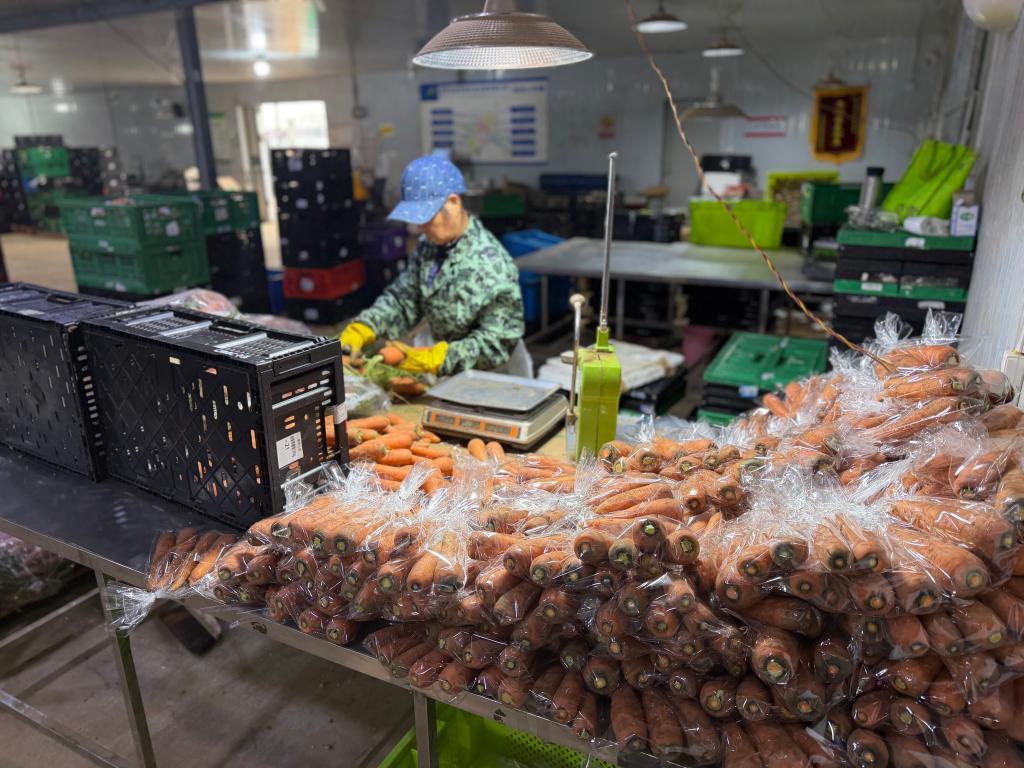
Core Insights - The article highlights the transformation of Changjiang Village in Wuhan, which has shifted from a struggling fishing community to a modern agricultural hub, benefiting from environmental protection initiatives and urban integration [1][2]. Group 1: Environmental and Agricultural Development - The implementation of the Yangtze River protection initiatives has led to improved water quality and increased biodiversity, with the return of species like the Yangtze River dolphin [1]. - Changjiang Village has developed a modern urban agriculture model, focusing on vegetable cultivation, with a core greenhouse area of 2,400 acres and an annual production of nearly 30,000 tons [2]. - The village utilizes advanced agricultural technologies, including smart irrigation systems and IoT sensors for real-time monitoring of growing conditions [2][4]. Group 2: Economic Integration and Infrastructure - The establishment of the Hubei Jinkou Agricultural Vegetable Logistics Trading Center has enhanced the efficiency of vegetable distribution, featuring cold storage and sorting facilities [4]. - The integration of local agriculture into the urban economy is facilitated by partnerships between state-owned enterprises and local villages, promoting a "market + base + farmer" operational model [4]. - Vegetables from Changjiang Village are efficiently transported to urban markets, ensuring quality and freshness, thus bridging the gap between production and consumption [4].
长江干流“鱼类密度”5年增一倍
Ren Min Ri Bao· 2026-01-31 01:10
Core Viewpoint - The Yangtze River Basin has implemented a ten-year fishing ban since January 1, 2021, with a mid-term evaluation showing positive results in biodiversity recovery and ecological health over the past five years [1][2]. Group 1: Biodiversity and Ecological Recovery - The population of the Yangtze River dolphin has increased to 1,426, up by 177 from 2022, indicating significant ecological recovery [2]. - A total of 351 fish species have been monitored in the Yangtze River Basin, an increase of 43 species compared to pre-ban levels, with a notable improvement in the integrity index of aquatic life [2][4]. - The unit resource quantity of fish in the Yangtze mainstream has doubled compared to 2020, reaching 2.4 kg, reflecting a recovery in fish density [4]. Group 2: Enforcement and Regulation - Joint enforcement actions have been conducted to combat illegal fishing, resulting in a decrease in illegal activities and improved regulatory effectiveness through the use of technology such as radar and drones [3]. - The overall stability of the fishing ban has been maintained, with various departments collaborating to ensure compliance and public awareness [3]. Group 3: Support for Fishermen - Policies for the resettlement of 231,000 retired fishermen have been effectively implemented, ensuring stable income and employment opportunities for those affected by the fishing ban [3][7]. - Measures have been taken to provide targeted assistance to fishermen facing difficulties, including inclusion in social welfare programs [3]. Group 4: Future Directions - The next five years are critical for consolidating the achievements of the fishing ban, with a focus on protecting endangered species and enhancing biodiversity [7][8]. - Future efforts will involve balancing high-level protection with quality development, emphasizing the restoration of aquatic habitats and the overall health of the ecosystem [8].