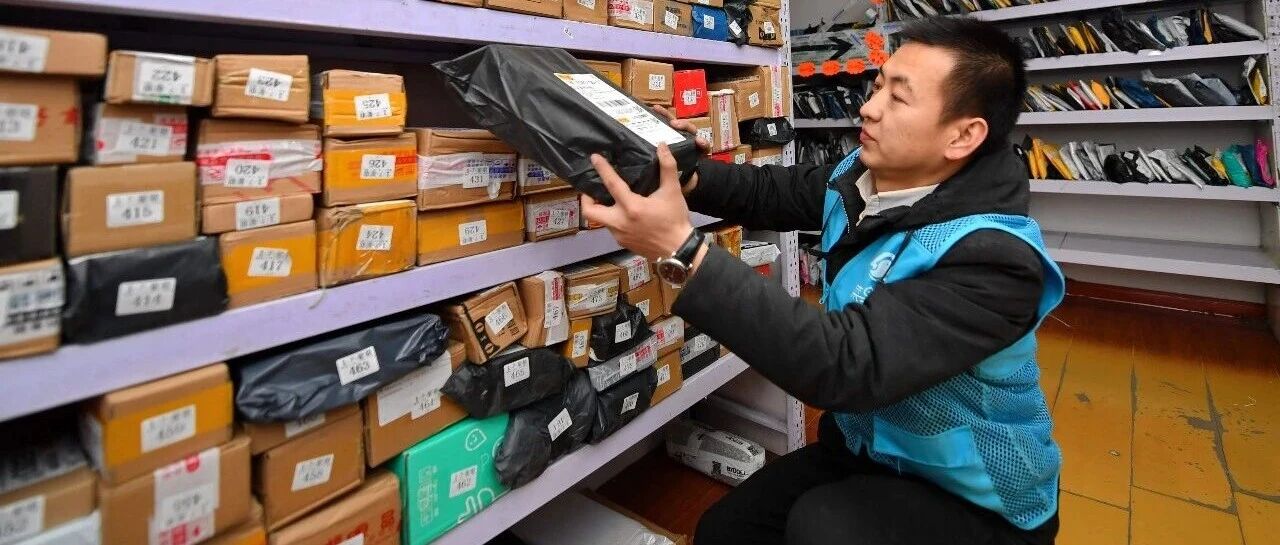
快递驿站

Search documents
头部驿站酝酿重组,快递末端迎整合新时代
3 6 Ke· 2026-02-10 11:49
Core Viewpoint - The merger of two leading express station brands aims to consolidate the industry, enhance operational efficiency, and reshape the last-mile delivery landscape by increasing the total number of stations to nearly 300,000 [1][4]. Group 1: Industry Context - Express stations have become popular for community entrepreneurship due to their low entry barriers and stable traffic, but are now facing unprecedented closures due to declining delivery fees and operational challenges [3][6]. - The average survival period of express stations has drastically decreased from 2.3 years to 11 months, with nearly 60% unable to survive beyond one year [6]. Group 2: Merger Implications - The acquiring brand will enhance its stickiness with courier companies and reduce reliance on single e-commerce platforms, thereby increasing its bargaining power in the last-mile sector [4]. - The merger will streamline operations by integrating two systems, reducing redundant processes, and lowering operational costs for station operators [4][9]. Group 3: Challenges and Opportunities - The low industry entry barriers have led to saturation and homogenization, increasing survival pressures for express stations, which often lack core competitiveness [7]. - The consolidation of leading brands is expected to alleviate homogenized competition, allowing larger platforms to set service standards and potentially squeezing out smaller stations [9].

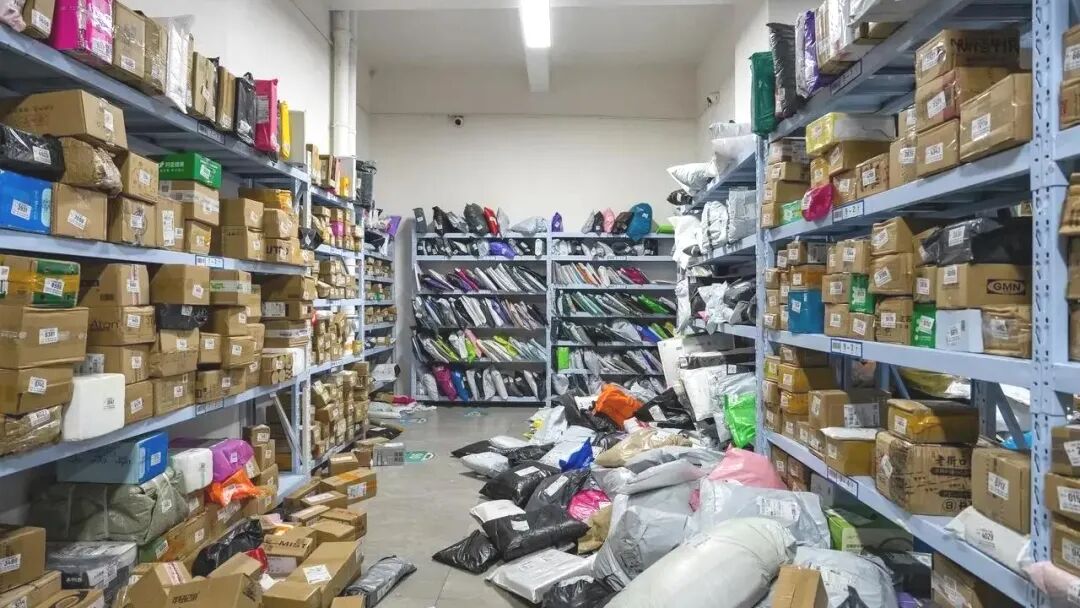
大撤退!快递驿站,越来越难做了
商业洞察· 2026-01-03 09:21
Core Viewpoint - The article discusses the decline of express delivery stations in China, highlighting the shift from a once lucrative business model to a struggling industry facing significant challenges and competition [3][8]. Group 1: Current Challenges in the Express Delivery Station Industry - Over half of the 187,000 express delivery stations in China are operating at a loss, with the average lifespan of these stations dropping from 2.3 years to just 11 months [9]. - The closure rate for stations within six months is as high as 43%, with nearly 60% failing to survive beyond one year [9]. - The primary revenue model relies on delivery and shipping fees, which have significantly decreased due to intense price competition, with delivery fees dropping from 0.5-0.8 yuan per item to as low as 0.2 yuan in competitive areas [14]. - The average shipping cost has fallen to 7.52 yuan per item, a 7.7% decrease compared to the previous year [14]. - Fixed costs such as rent and labor are substantial, with monthly expenses for a small station ranging from 2,000 to 3,000 yuan for rent and 3,000 to 5,000 yuan for labor [16]. Group 2: Consumer and Company Relations - Express delivery station owners are caught between consumer dissatisfaction and penalties from delivery companies, leading to a challenging operational environment [20][24]. - Complaints against delivery stations have surged by 43% year-on-year, with issues like unauthorized package placements and unreasonable charges being the main concerns [23]. - Delivery companies impose strict penalties on station owners for customer complaints, regardless of whether the issues are resolved [26][28]. Group 3: Industry Saturation and Competition - The industry faces external pressures from saturation and fierce competition, with 95% of county-level cities experiencing an oversupply of delivery stations [32]. - To compete for delivery resources, station owners engage in price wars, further driving down profitability [34]. - Malicious competition tactics, such as reporting rivals for regulatory violations, exacerbate the already difficult market conditions [36]. Group 4: Attempts at Diversification - Many station owners have attempted to diversify their services by integrating retail or community group buying, but these efforts often result in minimal returns and additional operational burdens [39][42]. - Over 80% of customers visit stations solely to pick up packages, spending less than three minutes on average, which limits the effectiveness of retail initiatives [41]. - Successful diversification is rare and typically requires prime locations or expertise in retail management, which most owners lack [45]. Group 5: Future Outlook - Despite the challenges, the demand for last-mile delivery remains strong, with express delivery volumes projected to reach 1.75 billion packages in 2024, more than double the volume from 2020 [45]. - The article concludes that while express delivery stations are unlikely to disappear entirely, the previous "wealth creation myth" surrounding them must be supported by sustainable business models [48].