消毒用品

Search documents
花市“大篷车”,把盐田好产品“装”进湾区人的年货袋
Xin Lang Cai Jing· 2026-02-11 03:19
Core Insights - The article highlights the launch of the "Yantian Good Products Caravan" at the Yantian New Year Flower Market, showcasing local enterprises and innovative products, aiming to enhance visibility and consumer engagement [1][4]. Group 1: Event Overview - The "Yantian New Year Flower Market" opened on February 6, featuring a vintage caravan that serves as a platform for local businesses to showcase their products [1]. - The event is part of the "Mountain and Sea Selection: Yantian New Year Gift Market," which integrates new productive forces into the festive atmosphere [1]. Group 2: Company Highlights - Shenzhen Andofor Disinfection Technology Co., Ltd., a key participant, has been rooted in Yantian for 28 years and is recognized as a national high-tech enterprise with 19 patents in disinfection technology [1][2]. - Lei Ming Technology, known for its coffee sourced directly from Ethiopian farmers, emphasizes a modern supply chain that preserves the flavor of its products [2]. - BGI Group, a significant player in the biopharmaceutical sector, showcased its "Little Deer Essence," reflecting the warmth of biotechnology [2]. Group 3: Community and Economic Impact - The caravan initiative aims to connect local agricultural products with broader markets, facilitating interactions between Yantian and other regions, such as a partnership with the agricultural sector in Raoping [3]. - The event is designed to transform policy support into tangible consumer experiences, promoting mutual prosperity and community engagement [3]. Group 4: Consumer Experience - The market offers a diverse range of products, allowing consumers to experience local and national specialties in a single location, enhancing the shopping experience [5]. - Customers expressed satisfaction with the variety of products available, indicating a successful integration of local goods and broader market offerings [5]. Group 5: Future Prospects - The caravan is set to expand its reach in 2026, continuing to promote local enterprises and foster community connections [6].
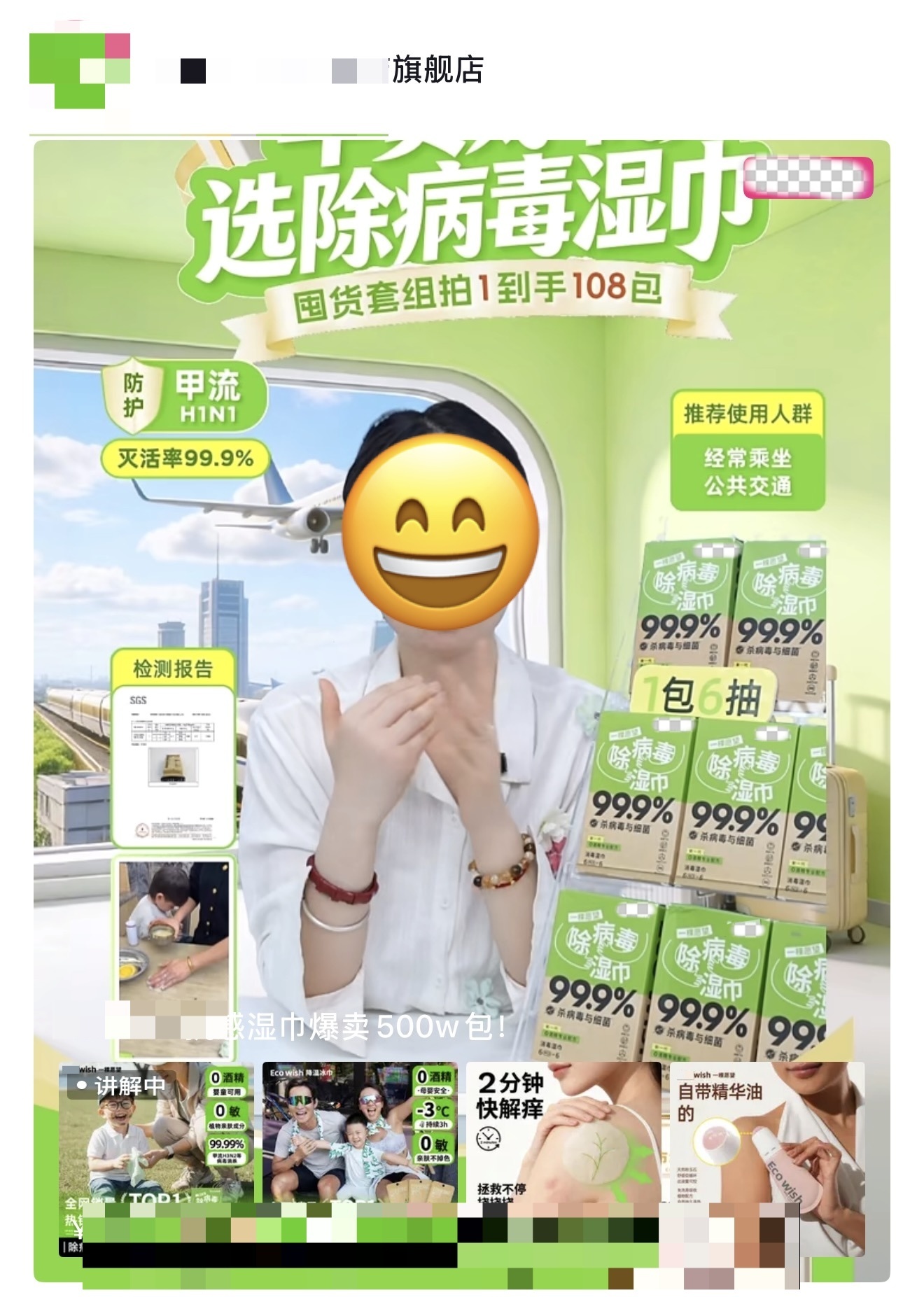
普通湿巾宣称可防流感,所谓“防甲流”湿巾靠谱吗?
Yang Guang Wang· 2026-01-07 05:16
Core Viewpoint - The article highlights the rising popularity of disinfectant wipes during the winter season, which is known for an increase in respiratory diseases. However, it raises concerns about certain products that claim to be "plant-based" and "99.9% effective against viruses and bacteria," suggesting potential compliance issues and misleading advertising practices [1]. Industry Concerns - Some merchants claim their disinfectant wipes are alcohol-free and specifically designed for infants, boasting a 99.9% kill rate against various viruses. They assert that the active ingredient, benzalkonium chloride, is more effective than alcohol for disinfection [5]. - There is a lack of regulatory compliance, as some products do not appear in the national disinfectant product registration database, raising questions about their legitimacy and adherence to advertising laws [11]. - Legal experts indicate that the marketing of these wipes may involve false advertising and unfair competition, violating laws such as the Advertising Law and the Anti-Unfair Competition Law of the People's Republic of China [11][13]. Consumer Awareness - Parents express mixed feelings about using these disinfectant wipes, with some viewing them as an additional layer of protection, while others are concerned about the safety of the ingredients for sensitive skin [5]. - Experts warn that consumers may have misconceptions about the effectiveness of these wipes, emphasizing that proper disinfection requires sufficient contact time, which is often not achieved with quick wipes [15]. Recommendations for Consumers - To make informed choices, consumers are advised to check for regulatory approval, active ingredients, and production qualifications when purchasing disinfectant wipes. It is emphasized that these wipes should complement, not replace, core hygiene practices like handwashing [15][16].