
登山旅游

Search documents
“热”涌雪山岗什卡
Ren Min Ri Bao Hai Wai Ban· 2026-01-15 09:17
Core Viewpoint - The Ganjia Snow Mountain has become a popular destination for winter tourism in China, attracting a significant number of visitors and contributing to local economic development through various related industries. Group 1: Tourism and Visitor Statistics - Ganjia Snow Mountain is recognized as the closest snow mountain to a provincial capital in China, enhancing its accessibility for tourists [2] - In 2025, the Ganjia Snow Peak Scenic Area received 958,600 visitors, generating a total tourism expenditure of 71.895 million yuan [2] - During the New Year holiday in 2026, the scenic area welcomed 24,500 visitors [2] Group 2: Economic Impact on Local Communities - The "Lama Economy" has emerged as a significant industry in the region, with over 200 local workers involved, providing services such as transporting equipment for climbers [2] - Local farmers, like Ma Tianming, have reported monthly incomes exceeding 5,000 yuan from providing services to tourists [2] - The climbing industry has created job opportunities for over 2,000 people in the surrounding areas, fostering a win-win situation of thriving tourism and increased local income [4] Group 3: Personal Stories and Community Development - Individuals like Lei Yanyun, a local climbing guide, have seen their annual incomes exceed 100,000 yuan due to the climbing tourism boom [3] - The Ganjia Snow Mountain has transformed the lives of local herders, with many now engaged in tourism-related work, contributing to community development [4] - The region has hosted international events, attracting global attention and further enhancing its reputation as a climbing destination [3]
尼泊尔发展可持续登山旅游
Ren Min Ri Bao· 2025-10-21 21:56
Group 1: Industry Overview - The autumn climbing season in Nepal, from September to November, has seen 802 climbers obtain permits, with Chinese climbers being the largest group at 100 [1] - Nepal has approved climbers from over 70 countries to ascend 42 peaks, generating over 1.9 billion Nepalese Rupees (approximately 1.35 million USD), a year-on-year increase of 150% [1] - The climbing and trekking tourism sector is a vital pillar of Nepal's economy, contributing significant foreign exchange revenue, with an average foreign climber spending over 30,000 USD [1] Group 2: Environmental and Sustainability Challenges - Nepal faces environmental challenges due to increasing climbing numbers, including high-altitude waste, glacier melting, and ecological fragility [2] - The government has intensified regulations, including organizing waste cleanup initiatives and requiring climbing teams to bring back waste [2] - A sustainable tourism plan was launched in collaboration with the United Nations Development Programme, focusing on improving infrastructure, enhancing talent training, and community employment [2]
日媒:富士山登山新规见效,游客遇险明显减少
Huan Qiu Shi Bao· 2025-10-12 22:46
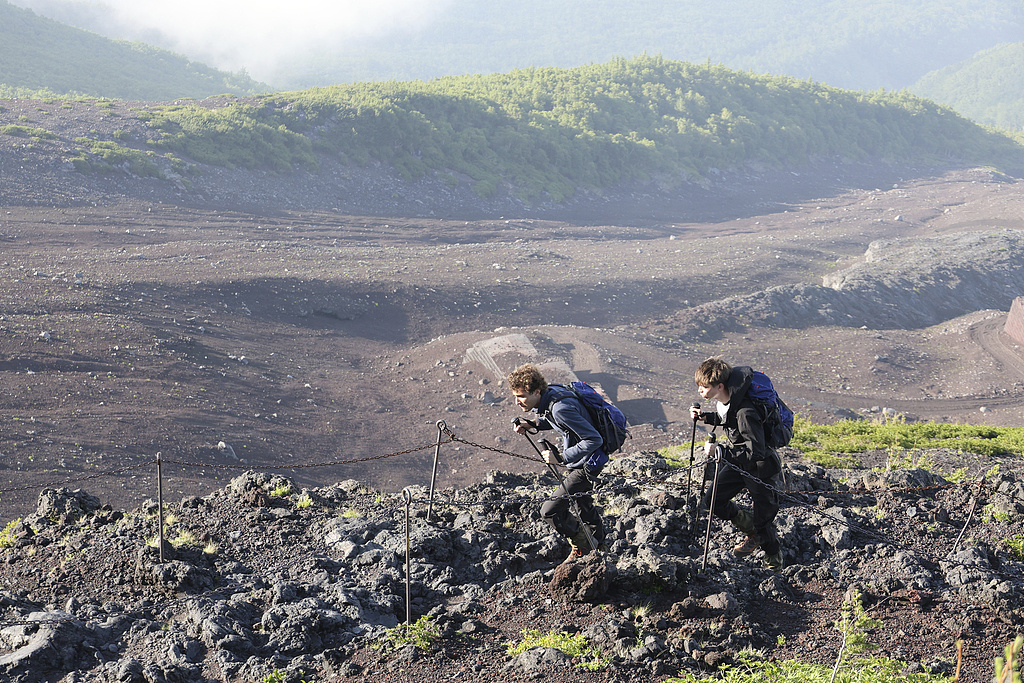
Group 1 - The implementation of new climbing regulations in Shizuoka and Yamanashi Prefectures has significantly reduced the number of climbing accidents, with Shizuoka reporting 48 incidents in the summer of 2025, a decrease of 14 from the previous year [1] - There were no fatalities reported during the climbing season this year, marking the first time in three years that the region has not experienced any deaths related to climbing accidents [1] - The increase in safety awareness among climbers due to the new regulations and pre-climb education programs has contributed to the reduction in accidents [1] Group 2 - Despite the overall decrease in climbing incidents in Shizuoka, the number of fatalities in Yamanashi increased by 4, reaching a total of 5 deaths, attributed to sudden weather changes and health issues among climbers [3] - New management measures have been implemented for the 2025 climbing season, including a permanent iron gate at the Yoshida route's fifth station in Yamanashi, which restricts access during certain hours and limits daily climber numbers to 4000 [3] - Both prefectures charge a climbing fee of 4000 yen (approximately 189 RMB) per person, with Shizuoka not setting a daily climber limit, while Yamanashi enforces strict access times for climbers [3]

缓解珠峰压力!尼泊尔拟免除97座山峰登山许可费
Yang Shi Xin Wen· 2025-08-12 09:06
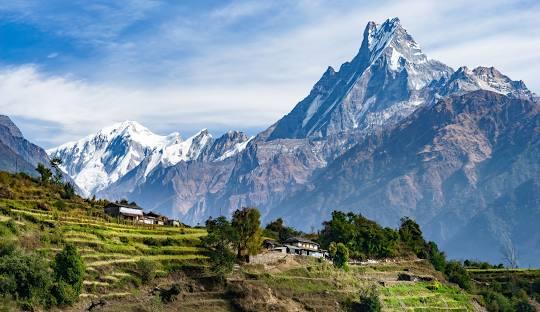
Group 1 - Nepal plans to waive climbing permit fees for 97 peaks over the next two years to encourage foreign tourists to explore lesser-known mountains instead of focusing on Mount Everest [2] - The 97 peaks, ranging from 5,970 meters to 7,132 meters, are located in the remote western provinces of Nepal, which have historically attracted limited visitors due to accessibility issues [2] - Climbing tourism is a significant source of revenue for Nepal, with last year's climbing permit fee income reported at $5.9 million, over 70% of which came from permits for climbing Everest [2] Group 2 - The number of climbers for the 97 peaks has been low, with only 68 climbers in the past two years, while Everest remains highly popular, with 421 climbers permitted for the spring 2024 season and 478 in spring 2023, the highest in recent years [2] - The Nepalese government previously announced the allowance for climbing 491 peaks, but tourists primarily favor 25 peaks, including Everest, which drives tourism mainly in central and northeastern Nepal [2] - Starting September 1, the government will increase the climbing permit fees for Everest, raising the fees for foreign climbers to $15,000 in spring and $7,500 in autumn [3]
不要扎堆珠峰!尼泊尔将免除97座山峰登山许可费
Xin Hua She· 2025-08-12 07:29
Core Points - Nepal plans to waive climbing permit fees for 97 lesser-known peaks over the next two years to encourage foreign tourists to explore these mountains instead of overcrowding Mount Everest [1] - The 97 peaks, ranging from 5,970 meters to 7,132 meters, are located in the remote western provinces of Nepal, which have historically attracted limited visitors due to accessibility issues [1] - Climbing tourism is a significant source of revenue for Nepal, with last year's climbing permit fee income totaling $5.9 million, over 70% of which came from permits for climbing Everest [1] Summary by Sections Climbing Permit Fee Waiver - The Nepalese government aims to boost tourism by eliminating climbing permit fees for 97 peaks, which have seen only 68 climbers in the past two years [1] - In contrast, Mount Everest remains highly popular, with 421 climbers permitted for the spring 2024 season and 478 climbers in the spring 2023 season, marking a recent peak in interest [1] Revenue from Climbing Tourism - The climbing permit fee income for Nepal was $5.9 million last year, with a significant portion derived from Everest climbing permits [1] - The government previously announced that tourists could climb 491 peaks, but interest is primarily concentrated on 25 peaks, including Everest, which drives tourism mainly in central and northeastern Nepal [1] Recent Fee Increases for Everest - The Nepalese government announced an increase in climbing permit fees for Everest starting September 1, with fees for foreign climbers rising to $15,000 in spring and $7,500 in autumn [2]