膳食营养补充剂(VDS)

Search documents
新品大年重塑增长 汤臣倍健称要做出更多心动和自豪的产品
2 1 Shi Ji Jing Ji Bao Dao· 2025-11-03 04:53
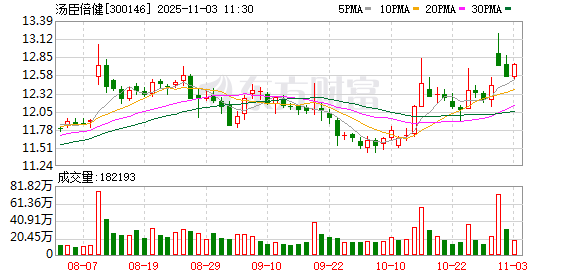
Core Insights - The core viewpoint of the article emphasizes that the operational data of companies, particularly in the dietary supplement industry, serves as a true measure of performance amidst changing consumer dynamics [2][4][13] Company Performance - Tongrentang reported a recovery in its Q3 2025 financial results, with revenue increasing by 23.45% year-on-year, and a restoration of profit growth in the first three quarters [2][5] - The company launched 71 new products in the first three quarters of 2025, holding 487 domestic and international patents, and 156 product approvals [5][11] Industry Context - The VDS (Vitamins, Dietary Supplements) industry is experiencing a slowdown, with a projected growth of 3.7% in 2024, surpassing the 1.7% growth of the fast-moving consumer goods market [5][10] - The traditional offline pharmacy sector is facing challenges due to policy impacts and declining foot traffic, while online channels are struggling with price wars and product homogeneity [4][5] Strategic Transformation - Tongrentang's reform is a continuation of its long-term strategy, focusing on user value and breaking away from past dependencies to find new growth anchors [5][10] - The company is committed to a "strong technology transformation" and has emphasized the importance of restructuring its value chain with a user-centric approach [5][10] Product and Channel Innovation - The company is building a dual-engine product matrix of "basic products + specialized functional products" to cater to both mass and niche markets [10][11] - Tongrentang is enhancing its channel strategy by moving from a traditional distribution model to a collaborative approach that benefits both the company and pharmacies [11][12] Brand Positioning - The company is strengthening its brand image through partnerships in scientific exploration and health initiatives, enhancing consumer trust [11][12] - The strategic shift towards a user-centric value chain aims to respond to the rationalization of consumer demand and the industry's transition from scale expansion to value cultivation [11][14]