自助影像

Search documents
毛利50%,2平米的自拍店,正在闷声赚钱?
凤凰网财经· 2026-03-23 11:58
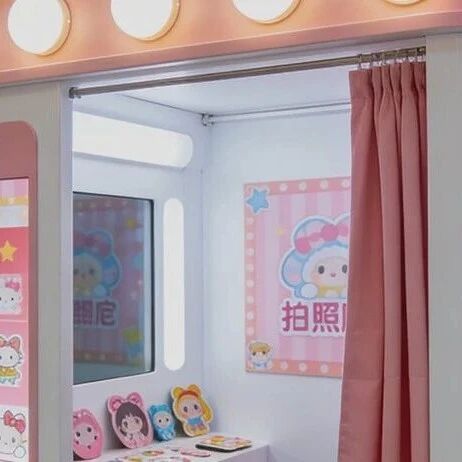
Core Viewpoint - The investment landscape is shifting towards technology sectors, particularly in robotics and large models, while consumer investment remains stagnant. Investors focusing on the consumer sector are now prioritizing emotional value consumption, such as trendy toys and experiences that resonate with younger audiences [2]. Group 1: Market Overview - The selfie store business, although not a new concept, has gained traction in urban areas, with various formats ranging from large studios to small self-service kiosks [3]. - Major players in the selfie store market include JUST.FOTO,拍立方 (Photo Cube), and photoism, with the leading brand operating over 1,800 locations [3][6]. - The stores typically occupy 1-2 square meters, have low rental and franchise costs, and many have achieved profitability [3][6]. Group 2: Consumer Demand and Trends - Selfie stores are prevalent in major urban shopping districts, attracting young consumers who are willing to wait in line for hours to take photos [6]. - The primary demographic for these stores is young women aged 15-35, with JUST.FOTO reporting over 10 million registered users on its mini-program [7]. - The stores offer a low-cost, self-service experience, with prices ranging from 29.9 to 49.9 yuan per session, allowing users to take multiple photos and print one [6]. Group 3: Business Model and Profitability - The three leading selfie store brands utilize a combination of direct operation and franchise models, with JUST.FOTO having the largest scale and market presence [10]. - JUST.FOTO has a payback period of approximately 10-12 months, requiring an initial investment of around 80,000 yuan for franchisees, while photoism has a more aggressive payback period of 3-9 months [12]. - The average monthly revenue per machine for JUST.FOTO is about 12,000 yuan, indicating a strong revenue potential in the market [12]. Group 4: Market Potential and Challenges - The self-service photography market in China is still in its early stages, with a market size of approximately 31.7 billion yuan in 2021, indicating significant growth potential [15]. - The rise of selfie stores is driven by the emotional value consumption trend among modern youth, who prefer quick and pressure-free photo experiences [16]. - However, the industry faces challenges such as high competition, reliance on IP collaborations, and potential limitations in customer retention due to the lack of personalized services [18].