葡萄酒与香槟

Search documents
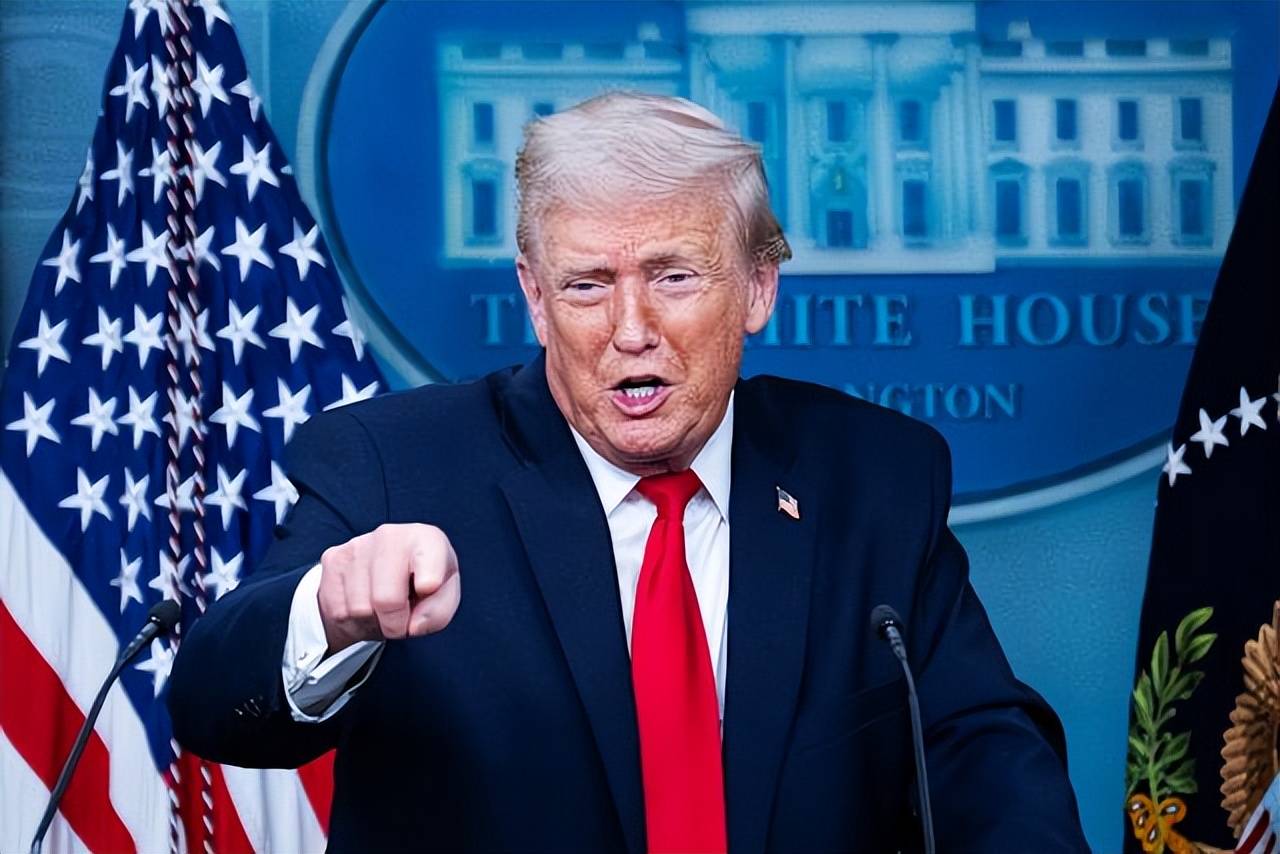
中方话音刚落,特朗普通告全世界,加征关税200%,首个受害国出现
Sou Hu Cai Jing· 2026-01-22 09:23
Group 1 - Trump threatens to impose tariffs of up to 200% on French wine and champagne, a move unprecedented in recent trade disputes [1][3] - The U.S. is the largest single export market for French wine and champagne, with annual exports reaching €4.5 billion; a 20% tariff would result in a loss of €800 million for France [3] - If the 200% tariff is enacted, it would effectively shut French wine and champagne out of the U.S. market, significantly impacting the French economy [3] Group 2 - France maintains a strong stance against Trump, refusing to compromise, despite Germany's decision to withdraw its military team from Greenland, indicating a potential shift in European dynamics [5] - The imposition of tariffs could lead to further U.S. tariffs on other French export products, putting additional pressure on the French economy [5] - Trump's actions may undermine decades of trust between the U.S. and Europe, potentially accelerating Europe's move towards greater autonomy from U.S. influence [5]

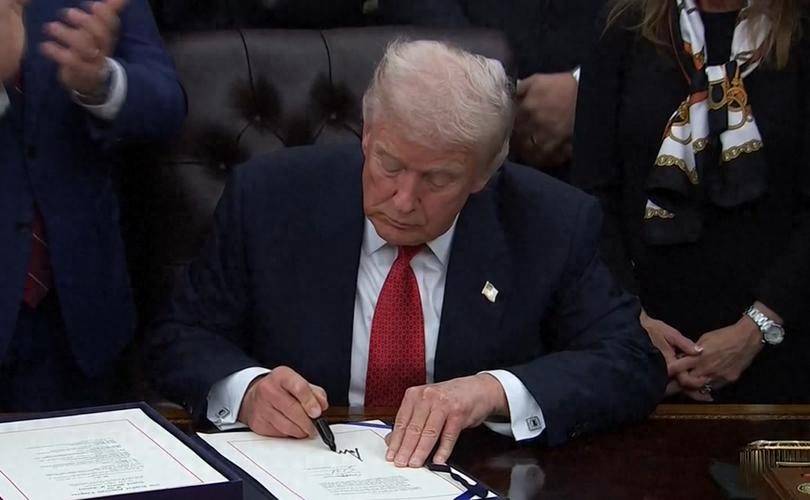
美国回应来了,马克龙拒绝入群,特朗普宣布征收200%关税
Sou Hu Cai Jing· 2026-01-22 09:22
Group 1 - The core issue revolves around the U.S. imposing a 200% tariff on French goods, particularly targeting the wine and champagne industry, which could significantly diminish France's export competitiveness [3][5] - The U.S. is facing a national debt nearing $36 trillion, with annual interest payments exceeding $1 trillion, prompting a need for new funding sources [1][5] - The establishment of a "Peace Council" by the U.S. is seen as a move to monetize political alliances, requiring member countries to contribute over $1 billion for indefinite membership [1][3] Group 2 - France's response to the U.S. tariffs reflects its attempt to maintain its status as a UN Security Council permanent member, contrasting with Germany's more submissive stance [5][7] - China's reduction of U.S. Treasury holdings to $682.6 billion signals a strong rejection of U.S. financial practices, indicating a shift in global economic dynamics [5][7] - The use of tariffs for political leverage may undermine global trust in U.S. trade practices, potentially accelerating the de-Americanization of global supply chains [7]