全球供应链去美国化

Search documents
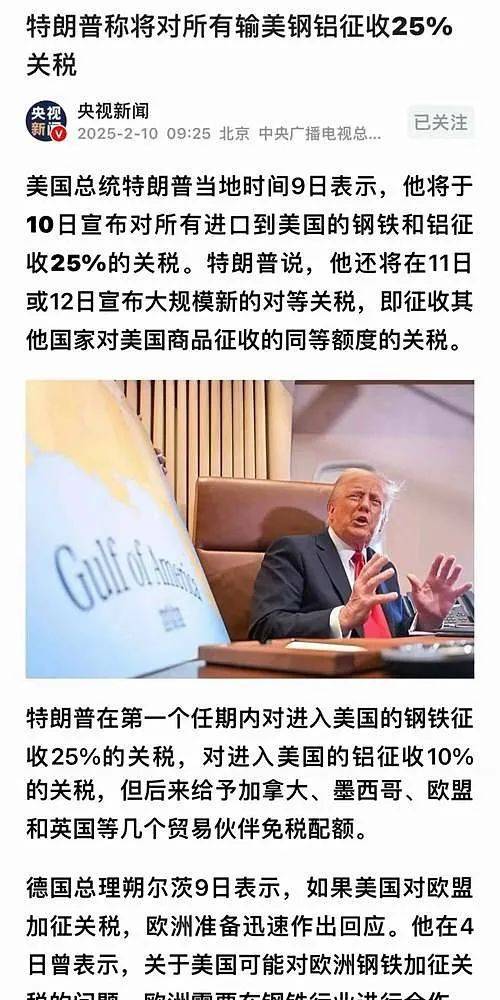
美国回应来了,马克龙拒绝入群,特朗普宣布征收200%关税
Sou Hu Cai Jing· 2026-01-22 09:22
Group 1 - The core issue revolves around the U.S. imposing a 200% tariff on French goods, particularly targeting the wine and champagne industry, which could significantly diminish France's export competitiveness [3][5] - The U.S. is facing a national debt nearing $36 trillion, with annual interest payments exceeding $1 trillion, prompting a need for new funding sources [1][5] - The establishment of a "Peace Council" by the U.S. is seen as a move to monetize political alliances, requiring member countries to contribute over $1 billion for indefinite membership [1][3] Group 2 - France's response to the U.S. tariffs reflects its attempt to maintain its status as a UN Security Council permanent member, contrasting with Germany's more submissive stance [5][7] - China's reduction of U.S. Treasury holdings to $682.6 billion signals a strong rejection of U.S. financial practices, indicating a shift in global economic dynamics [5][7] - The use of tariffs for political leverage may undermine global trust in U.S. trade practices, potentially accelerating the de-Americanization of global supply chains [7]

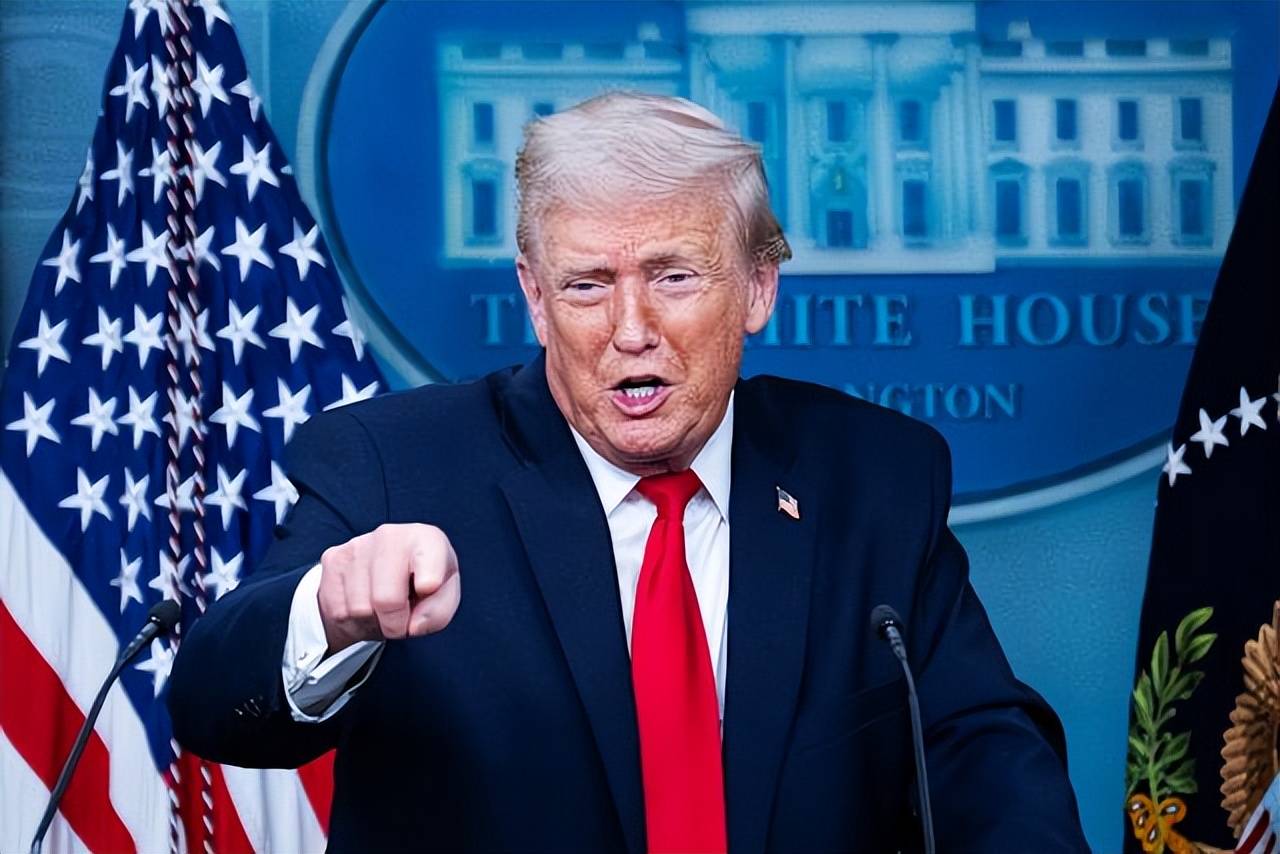
特朗普对进口芯片征税100%:一台美国制造iPhone,可能要卖2.5万人民币
Sou Hu Cai Jing· 2025-09-05 04:17
Group 1 - Trump announced a 100% tariff on imported chips, potentially raising the price of an American-made iPhone to 25,000 RMB [1][3] - The core chips in an iPhone, primarily sourced from TSMC and SK Hynix, account for 30-40% of the total cost, meaning tariffs could double this cost [3][6] - The tariff will affect not only processor chips but also storage, RF, and power management chips, increasing overall material costs by 20-30% [6][8] Group 2 - The policy aims to protect American manufacturing but may ultimately harm American consumers, with potential iPhone prices rising significantly [6][8] - Major manufacturers like Apple, Samsung, and Google will also face price increases, leading to a possible return to simpler mobile devices for consumers [8][10] - TSMC and Samsung are evaluating the feasibility of building factories in the U.S., but the transition will take time and incur higher costs compared to Asia [8][10] Group 3 - The chip manufacturing process is complex and requires skilled labor and infrastructure, which the U.S. currently lacks [10][13] - China's chip industry has made significant progress, with companies like Yangtze Memory Technologies and others poised for growth as U.S. restrictions increase [10][12] - Trump's policy may accelerate the de-Americanization of global supply chains, prompting other countries to seek alternatives [13][14]