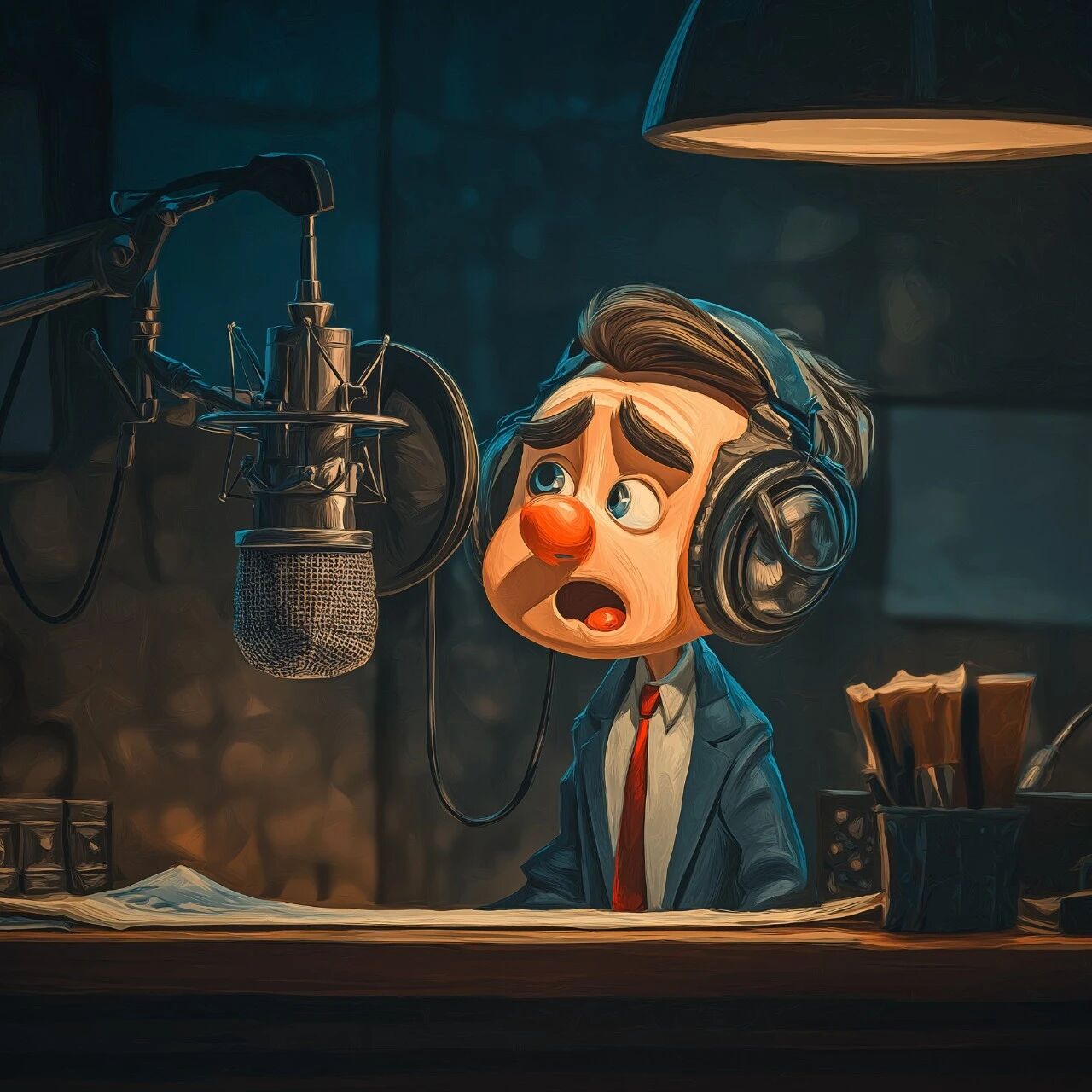
配音行业

Search documents
AI又团灭一个行业
投资界· 2025-11-22 07:29
Core Insights - The article discusses the rapid adoption of AI in the voice-over industry, highlighting its efficiency, cost-effectiveness, and the challenges faced by traditional voice actors as they redefine their value in the market [3][10]. Industry Overview - Over the past two years, AI voice-over technology has rapidly penetrated various sectors, including advertising, gaming, and audiobooks, due to its speed, compliance, and lower costs [3]. - By 2024, the market size for AI voice and semantic technology in China is projected to reach 14.93 billion yuan, with a compound annual growth rate exceeding 28% [8][14]. Impact on Voice Actors - Traditional voice actors are experiencing significant pressure as AI-generated voices become more prevalent, leading to concerns about job security and the potential for lower industry standards [6][10]. - The pricing for voice-over work has drastically decreased, with some rates dropping from 600-800 yuan per hour to as low as 50 yuan per hour, particularly in the audiobook sector [10][14]. Case Studies - Helen, a documentary director, found that AI-generated voiceovers provided better emotional resonance than traditional voice actors, leading her to question the future of human voice talent [5]. - Orange, a part-time voice actor, noted a significant decline in clients as many switched to AI-generated voices, highlighting the industry's shift towards automation [7][8]. Challenges and Adaptations - Voice actors are facing challenges such as voice cloning, where AI can replicate their voices without consent, leading to legal and ethical dilemmas [12][13]. - Some voice actors are adapting by leveraging AI as a tool to enhance their work, combining AI-generated scripts with human performance to maintain quality and efficiency [19][23]. Future Outlook - The industry is at a crossroads, where the integration of AI is seen as both a threat and an opportunity. Voice actors who can adapt and enhance their skills may find new avenues for success [22][23]. - The article emphasizes that while AI can replace certain tasks, the unique human touch in voice acting remains irreplaceable, suggesting a future where collaboration between AI and human talent is essential [15][23].


AI团灭的行业,多了一个
创业邦· 2025-11-19 03:45
Core Viewpoint - The article discusses the rapid rise of AI voiceover technology, highlighting its impact on the traditional voice acting industry, where professionals are forced to redefine their value as AI becomes more prevalent and cost-effective [6][11][24]. Industry Impact - Over the past two years, AI voiceover technology has rapidly penetrated various sectors, including advertising, gaming, and audiobooks, due to its speed, compliance, and lower costs [6][11]. - By 2024, the AI voice semantic market in China is projected to reach 14.93 billion yuan, with a compound annual growth rate exceeding 28% [11]. - Major voice synthesis platforms now offer thousands of voice types, covering various dialects and styles, indicating a significant shift in the market dynamics [11]. Professional Concerns - Traditional voice actors are experiencing a decline in job opportunities, with many clients opting for AI-generated voices over human talent, leading to fears of job displacement [9][10][12]. - The pricing structure for voiceover work has collapsed, with rates for high-quality voice actors dropping from 600-800 yuan per hour to as low as 50 yuan per hour for some projects [14]. - Instances of voice cloning have emerged, where AI replicates the voices of actors without their consent, raising concerns about intellectual property and rights within the industry [15][19]. Adaptation Strategies - Some voice actors are adapting by leveraging AI as a tool to enhance their work, combining AI-generated content with human emotion and creativity to maintain relevance in the industry [24][25]. - The article emphasizes that the future of the voice acting industry will belong to those who can infuse their performances with human warmth and experience, suggesting a coexistence between AI and human talent [25].