
金属包装容器制造

Search documents
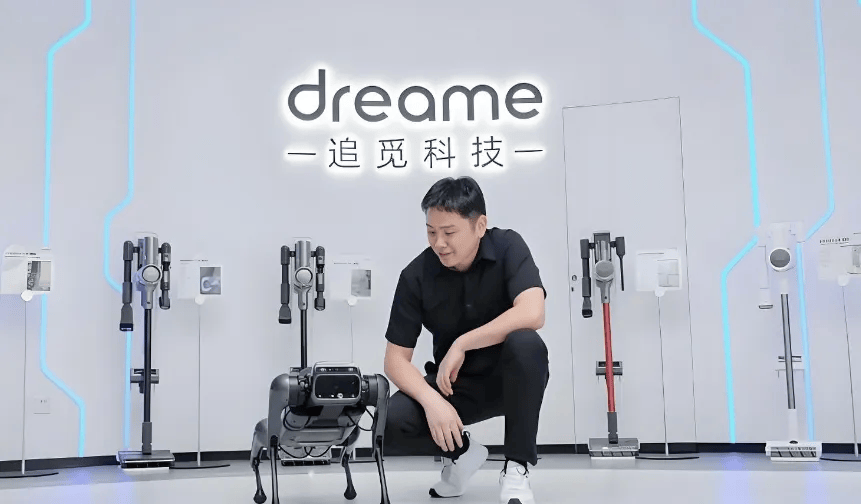
上市成本仅4亿,追觅却豪掷23亿买包装厂!俞浩在下一盘大棋?
Sou Hu Cai Jing· 2025-12-24 03:12
Core Viewpoint - The article discusses the unexpected acquisition by Chasing Technology, a company poised for an IPO, raising questions about its strategic intentions amidst a favorable market for tech companies seeking to go public [3][4][6]. Group 1: IPO Context - The registration reform of the Sci-Tech Innovation Board has made it easier for tech companies to go public, with examples like Moore Thread and Muxi Co., which have seen significant profits for investors [2]. - Chasing Technology, with a compound annual growth rate exceeding 100% over five years, is projected to generate approximately 15 billion yuan in revenue for 2024, and surpass last year's total revenue in the first half of 2025 [3]. Group 2: Acquisition Details - Chasing Technology's core team made a surprising acquisition of Jamei Packaging for 2.282 billion yuan, which is significantly higher than Jamei's historical stock price range of 2.5-3.5 yuan per share [3][4]. - The acquisition cost is notably high compared to the total issuance costs for companies like Moore Thread, which was only 424 million yuan [3]. Group 3: Strategic Implications - The acquisition does not appear to directly support Chasing Technology's IPO plans due to regulatory restrictions on control changes within 36 months, complicating any potential asset integration [4]. - Analysts suggest that the acquisition may be aimed at enhancing Chasing Technology's supply chain in packaging, which is crucial for brand image and logistics costs [5]. - There are also speculations that this move could be part of a broader strategy to expand into smart home products and consumer goods, leveraging Jamei's established channels and production capabilities [6].


【智研咨询】两片罐行业市场运行状况、重点企业分析及投资发展潜力预测报告
Sou Hu Cai Jing· 2025-12-19 05:41
Core Viewpoint - The two-piece can market in China has shown a fluctuating upward trend since 2015, with a projected demand increase driven by rising beer canning rates and the expansion of the carbonated beverage market [3][8]. Industry Overview - Two-piece cans are a type of metal can introduced in the mid-20th century, consisting of a can body and a lid, primarily made from aluminum and iron, with aluminum being the dominant material due to its lightweight advantages [3][5]. - Compared to three-piece cans, two-piece cans offer better sealing, higher production efficiency, and reduced material consumption, although they require higher material performance and production equipment standards [5][6]. Demand and Market Size - From 2019 to 2024, the demand for two-piece cans in China is expected to grow from 51.24 billion cans to 61.74 billion cans, with a compound annual growth rate (CAGR) of 3.8% [8][14]. - The market size of the two-piece can industry in China is projected to increase from 22.96 billion yuan in 2019 to 27.77 billion yuan in 2024, with a CAGR of 5.23% [8][14]. Industry Development - The two-piece can industry has experienced a recovery since 2019, driven by the upgrading of environmental policies and advancements in production technology [8][14]. - The market is expected to reach a demand of 62.79 billion cans by 2025, supported by the continuous rise in beer canning rates and the ongoing expansion of the carbonated beverage market [8][14]. Competitive Landscape - Prior to 2008, the two-piece can market in China was dominated by foreign companies. However, local companies like Baosteel Packaging and Orijin have rapidly gained market share following the exit of foreign competitors [9][14]. - The industry has seen increased consolidation and competition since 2016, leading to the exit of weaker small and medium enterprises, which has further increased market concentration [9][14]. Future Trends - The two-piece can industry is expected to continue advancing in lightweight technology, integrating IoT and AI for smart manufacturing, and enhancing sustainability through increased use of recycled materials [9][14]. - There will be a shift towards flexible customization in can design to meet brand differentiation and consumer personalization demands [9][14].
