防空设备制造

Search documents
乌克兰重创俄能源命脉,乌军无人机夜袭1800公里,够狠!
Sou Hu Cai Jing· 2025-10-25 17:16
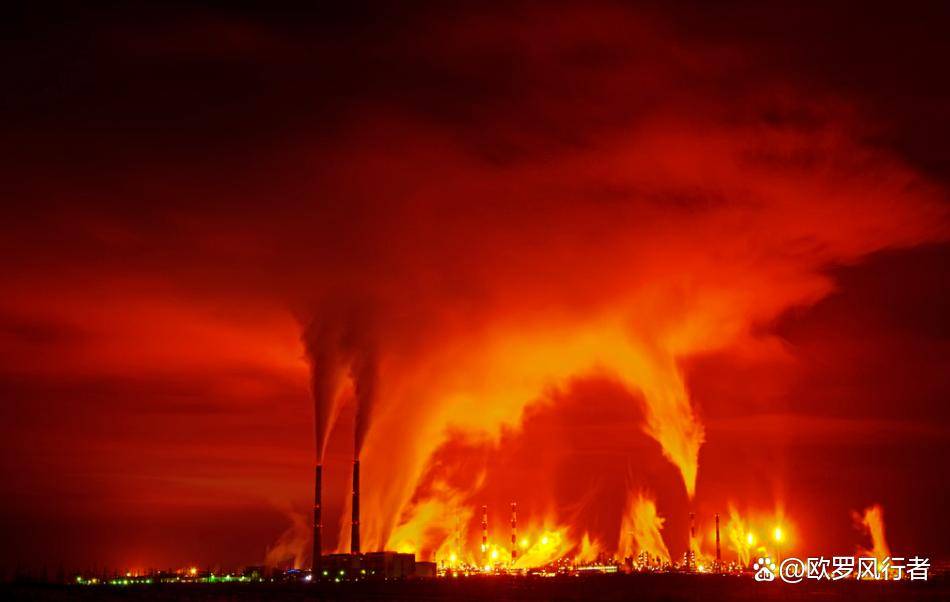
Core Insights - The article discusses a significant drone attack by Ukraine on the Orenburg gas processing plant in Russia, which has a processing capacity of 45 billion cubic meters, leading to a complete shutdown of operations [2][5] - The attack marks a shift in Ukraine's military strategy from indiscriminate strikes to targeted attacks on critical infrastructure, indicating a focus on Russia's economic vulnerabilities [5][14] Summary by Sections Attack Details - The drone strike occurred at a distance of over 1800 kilometers from the launch site, exceeding Ukraine's previous operational range [4] - The attack resulted in an 8% increase in European natural gas futures prices on the day of the incident [4] Strategic Importance - The Orenburg facility is crucial not only for Russia but also for Kazakhstan, as 25% of the associated gas from the Karachaganak oil field is processed there, with the facility accounting for 12% of Russia's gas exports [5] - The targeted gas processing workshop is described as the "heart" of the facility, capable of causing significant economic damage with relatively small explosives [5] Technological Advancements - The drones used in the attack are likely advanced models, such as the improved FP-2 and E-300 "Advantage," which have enhanced range and navigation capabilities [7] - The E-300 drone's navigation system allows it to operate effectively even in the presence of GPS jamming, achieving a target accuracy of within 5 meters [7] Cost Efficiency - The cost of the FP-2 drone is approximately $80,000, while the E-300 ranges from $250,000 to $450,000, significantly lower than the cost of U.S. cruise missiles [9] - Traditional Russian air defense systems, like the S-400, struggle to intercept these low-cost drones, resulting in a poor cost-effectiveness ratio [9] Tactical Innovations - Ukraine's military has adopted a "swarm night attack" strategy, successfully deploying multiple drones in waves to overwhelm Russian defenses [11] - The timing of the attacks during the early morning hours takes advantage of human fatigue among defense operators [11] Military and Economic Implications - The attack has led to a reduction in Kazakhstan's gas processing capacity, forcing a 30% cut in production due to environmental regulations [13] - Russia is compelled to redirect LNG shipments originally intended for Japan and South Korea to Europe, increasing logistical costs [13] Evolving Warfare Dynamics - The incident signifies a new phase in asymmetric warfare, demonstrating that smaller nations can effectively challenge larger powers through innovative and low-cost military technologies [14][18] - The vulnerabilities of traditional military defenses against low-cost, unmanned systems are highlighted, necessitating a reevaluation of defense strategies [18][19]