非对称作战

Search documents
高盛闭门会-伊朗冲突-持续多久-影响多严重
Goldman Sachs· 2026-03-30 05:15
Investment Rating - The report does not explicitly provide an investment rating for the industry Core Insights - The conflict in Iran is expected to last longer than initially anticipated, with Iran refusing to agree to a ceasefire due to its core demands for sanction relief and regime survival [1] - The strategic control of the Strait of Hormuz is critical, as it has effectively ceased operations, and any U.S. victory would require establishing a multinational escort fleet to break Iran's control over the waterway [1] - Despite conventional military superiority, the asymmetric warfare capabilities of Iran, particularly through low-cost drones, continue to pose a significant threat [1][7] - The restoration of energy supply chains is projected to be slow, with initial recovery expected to only reach 20% of normal flow, as shipping and insurance companies remain cautious due to credit risks [1][16] - Internal unrest in Iran is unlikely to catalyze a ceasefire, as the war has strengthened domestic security measures and suppressed dissent [1][8] Summary by Sections Conflict Duration and Dynamics - Iran views the ongoing conflict as a struggle for regime survival, aiming to distribute the war's costs broadly to ensure favorable terms in any future agreements [3] - The U.S. initially expected a quick resolution but has had to adjust its objectives as the conflict escalated [4][5] Military and Strategic Considerations - The U.S. and Israel hold conventional military advantages, but Iran's asymmetric capabilities, particularly through drones, remain a persistent threat [7] - The ability of the U.S. and allies to implement military escorts in the Strait of Hormuz is feasible, but full restoration of normal oil transport is unlikely [15][16] External Influences - The involvement of China and Russia is pivotal, as any U.S. blockade of Iranian oil exports could compel China to intervene, altering the dynamics of the conflict [2][14] - The report emphasizes that the actions of these external players will be crucial in determining the future trajectory of the conflict [13][14] Internal Factors and Future Outlook - Iran's leadership must address internal economic issues post-conflict, as the regime's survival hinges on managing public discontent and economic stability [17] - The report suggests that the conflict may persist longer than expected, with Iran's current demands indicating a lack of immediate willingness to negotiate [9]
5万乌军精锐绝地反击!马斯克“星链锁喉”如何改写南线战局?
Sou Hu Cai Jing· 2026-02-18 02:05
Group 1 - The core argument of the articles revolves around the transformative impact of Starlink technology in modern warfare, highlighting how it has shifted the dynamics of the conflict between Russian and Ukrainian forces [2][3] - The Russian military's reliance on Starlink terminals enabled a tactical advantage through drone operations, but this dependency also exposed vulnerabilities that the Ukrainian forces exploited [3][7] - The Ukrainian military's counteroffensive, named "Thunderstorm," involved deploying nearly 50,000 elite troops, which was a high-stakes gamble that could either restore strategic initiative or lead to significant losses [4][9] Group 2 - The Ukrainian forces employed a three-layered approach in their operations, including assault units, mechanized troops, and long-range firepower, supported by over 2,000 drones to create a comprehensive "reconnaissance-strike-assessment" loop [5][7] - The conflict illustrates the importance of technological sovereignty, as the Russian military's over-reliance on external technology created critical vulnerabilities, while the Ukrainian forces effectively utilized commercial technology for military purposes [7][10] - Despite the progress made by Ukrainian forces, the cost of the counteroffensive was high, with estimated casualties exceeding 8,000, indicating the severe human toll of the conflict [9][10]

古巴成为美国下一个关注目标,若动武古巴军队能够抵抗入侵吗
Xin Lang Cai Jing· 2026-02-06 16:49
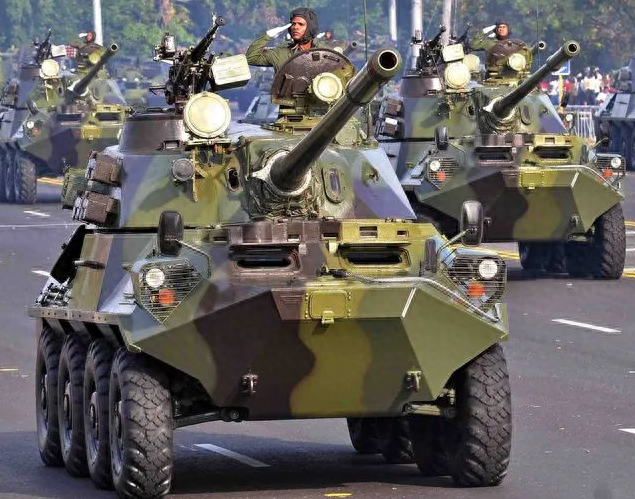
Group 1: U.S.-Cuba Relations - The UN Secretary-General's spokesperson expressed concern over the new round of U.S. oil sanctions against Cuba [1] - President Trump indicated that the U.S. is in dialogue with Cuba and suggested a potential agreement [1] - The heightened tensions between Cuba and the U.S. have drawn attention, especially following U.S. military actions in Venezuela [1][3] Group 2: Military Capabilities of Cuba - Cuba has approximately 60,000 active military personnel, with a significant militia force of nearly 1.15 million [5] - The Cuban Army is the core military force, equipped with Soviet-era tanks and artillery, although only about 30% of the equipment is fully operational [5] - The Cuban Navy consists of around 3,000 personnel and focuses on near-coastal defense with limited offensive capabilities [6] Group 3: Defense Strategy and Historical Context - Cuba's defense strategy emphasizes asymmetric warfare, focusing on guerrilla tactics and local terrain advantages [9][17] - Historical military experiences, such as the Bay of Pigs invasion and the Angolan Civil War, have shaped Cuba's military resilience and operational strategies [17][18] - The Cuban military has developed a comprehensive defense infrastructure, including underground facilities and a nationwide surveillance system [11][12] Group 4: Potential U.S. Military Actions - Any U.S. military action against Cuba would likely rely on airstrikes rather than ground invasions due to Cuba's fortified defenses [16] - The U.S. may face significant challenges if it attempts to replicate its military strategy used in Venezuela against Cuba [19] - The presence of Russian military support for Cuba could complicate U.S. military operations [13][19]
百年来首次,加模拟遭美军入侵
Xin Lang Cai Jing· 2026-01-22 04:45
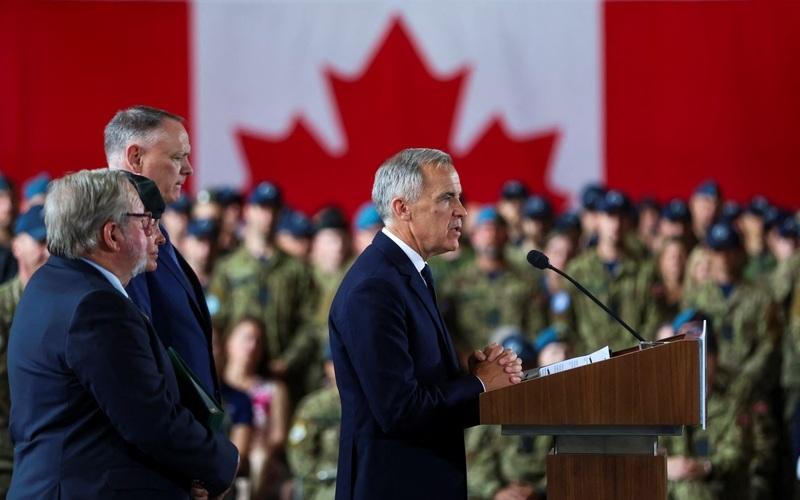
Core Viewpoint - The Canadian Armed Forces have conducted simulations of a potential "military invasion" by the United States, marking the first such exercise in a century, highlighting deteriorating relations between the two countries [1][2] Group 1: Military Preparedness - Canadian military planners are simulating scenarios where U.S. forces could invade from the south, potentially capturing key strategic points within a week or as quickly as two days [1] - Canada lacks sufficient military personnel and advanced equipment to counter a conventional military attack from the U.S. [1] - The Canadian Armed Forces are considering asymmetric warfare tactics, including small-scale irregular forces or armed civilians to conduct ambushes, sabotage, drone operations, and guerrilla-style attacks [1] Group 2: Strategic Framework - The simulations are described as a conceptual and theoretical framework rather than an executable military plan [2] - Canadian military planners anticipate that if the U.S. were to launch an attack, there would be clear indicators, such as the termination of the partnership in the North American Aerospace Defense Command [2] - Canada may have up to three months to prepare for a land and maritime invasion, with initial warning signs likely coming from the U.S. military regarding changes in airspace policy [2] Group 3: Diplomatic Context - The actions taken by Canada reflect the significant deterioration in relations between the two long-time allies and major trading partners over the past year [2] - A public opinion poll from last summer indicated that a majority of Canadians now view the U.S. as the greatest threat [2]
模拟应对美军武装入侵,加拿大开始作最坏准备
Xin Jing Bao· 2026-01-21 04:12
Core Viewpoint - The Canadian Armed Forces have conducted a simulation of a potential military invasion by the United States, marking the first time in a century that such a scenario has been modeled, reflecting heightened concerns about national security and defense capabilities [2][4]. Group 1: Military Preparedness - Canadian officials revealed that the military lacks sufficient personnel and advanced equipment to counter a conventional attack from the U.S., prompting the consideration of unconventional tactics inspired by historical resistance movements [3][4]. - The military simulation predicts that U.S. forces could occupy key strategic locations in Canada within a week, or even as quickly as two days, highlighting the urgency of the situation [4]. - The Canadian military is exploring the deployment of a small contingent to Greenland to participate in joint military exercises with eight European nations, signaling a commitment to regional defense [3]. Group 2: Historical Context - The Canadian military has a historical precedent for preparing against U.S. invasion, dating back to the early 20th century when a plan was developed to preemptively strike the U.S. if invasion was imminent [6][7]. - The original "Department One Plan" aimed to disrupt U.S. military operations through surprise attacks, although it was ultimately deemed impractical and was canceled in 1928 due to improved Anglo-American relations [8][9]. Group 3: Strategic Developments - The Canadian military is currently working on establishing a volunteer reserve force of over 400,000 individuals, which could be mobilized for disruptive actions in the event of conflict with the U.S. [5]. - There are calls for the establishment of a defense investment agency to streamline military procurement processes and enhance the readiness of the Canadian Armed Forces [10][11].
乌克兰祭出绝招!无人机狂轰俄罗斯能源命脉,普京的钱袋子快空了?半年内俄可能已经垮台!
Sou Hu Cai Jing· 2025-12-22 19:11
Core Insights - The article discusses Ukraine's strategic shift in warfare, focusing on targeting Russia's energy infrastructure to weaken its economy and military funding [1][6][10] Group 1: Strategic Shift - Ukraine has transitioned from traditional ground warfare to an "energy strangulation war," aiming to disrupt Russia's energy exports, which account for nearly one-third of its fiscal revenue [1] - The strategy involves a "full-chain strike" approach, targeting key components of Russia's energy system: sources, transportation lines, and terminals [1] Group 2: Key Attacks - Ukrainian forces have successfully executed multiple drone strikes, including a significant attack on the Filanovsky oil and gas platform in the Caspian Sea, halting production at one of Russia's largest oil fields [1] - The attack on the Tsimlyuk port resulted in the destruction of 70% of LNG storage facilities, leading to the cancellation of 400,000 tons of orders and crippling the port's operations [2] - The oil depot in Ulyanovsk was severely damaged, with 80% of its core facilities destroyed, disrupting fuel supplies to frontline armored units [4] Group 3: Cost-Effectiveness - This asymmetric warfare strategy allows Ukraine to achieve significant strategic gains at a low cost, with drones costing only thousands of dollars capable of destroying assets worth billions of rubles [6] Group 4: Economic Impact on Russia - While Ukraine's attacks have led to a sharp decline in Russian fiscal revenue and increased domestic discontent, Russia's economic foundation remains intact, with potential energy sales to Asian markets [6] - If Ukraine can maintain its offensive, Russia may struggle to sustain its war efforts in the long term due to frontline consumption and domestic pressures [7] Group 5: Dependency on Western Support - Ukraine's reliance on Western military aid for drones and missiles poses a risk; if supply chains falter, the effectiveness of the "energy strangulation war" may diminish [8] - The future of Ukraine's strategy hinges on continuous Western support and the precision of its strikes, indicating a broader conflict over energy, economic endurance, and national will [8]
美国史上对台单笔最大军售,藏着哪些野心|京酿馆
Xin Jing Bao· 2025-12-19 04:25
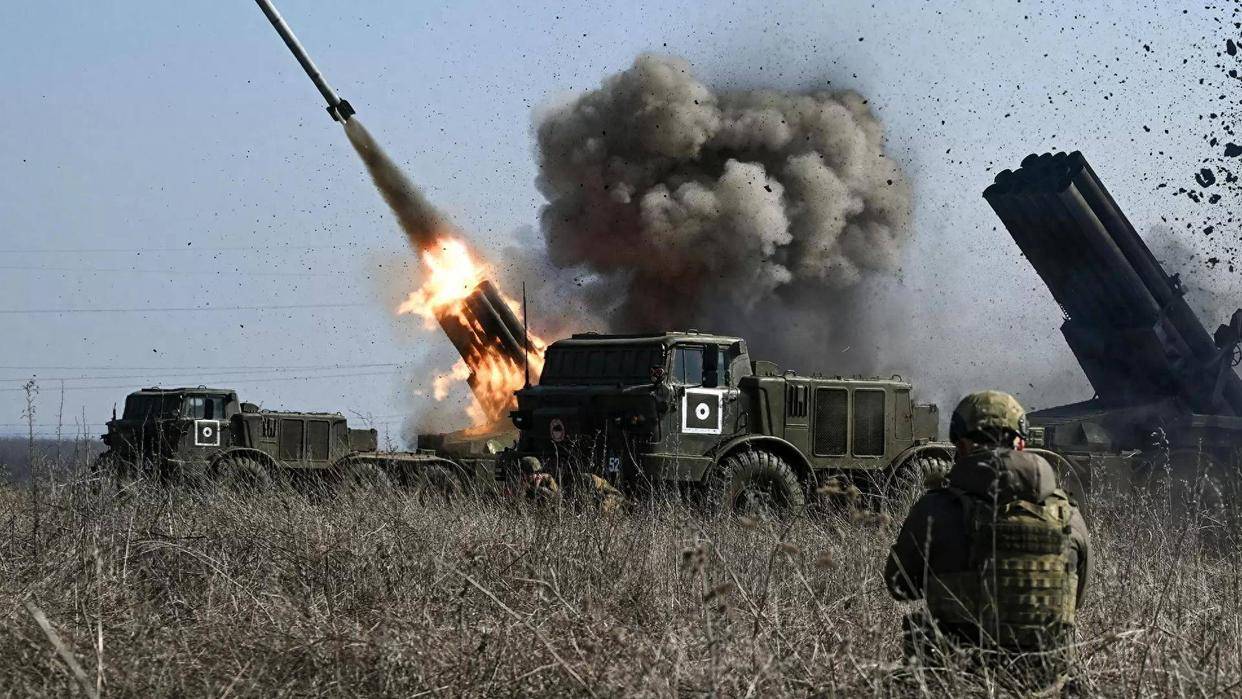
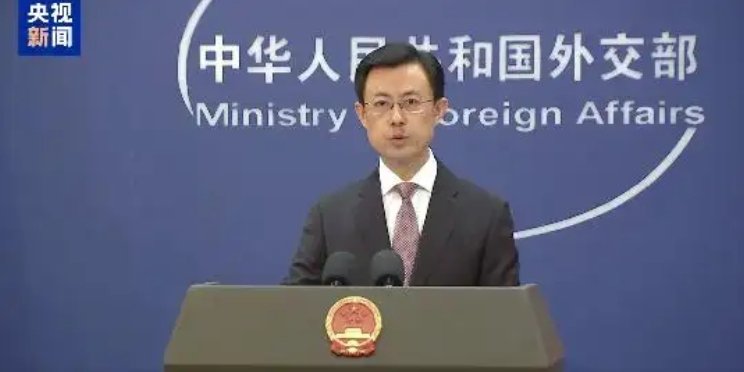
Core Viewpoint - The U.S. announced a military sales plan to Taiwan valued at approximately $11 billion, which is seen as a significant violation of the One China principle and detrimental to regional stability [2][3]. Group 1: Military Sales Details - The military sales package includes eight items, such as 82 High Mobility Artillery Rocket Systems (HIMARS) and 420 Army Tactical Missile Systems, totaling over $4 billion [3]. - Additional components include 60 M109A7 self-propelled howitzers, "Altius" suicide drones, military software, Javelin and TOW anti-tank missiles, helicopter parts, and Harpoon missile refurbishment kits, with the total value exceeding $11 billion [3]. - This military sale is the second of its kind during the Trump administration, with the U.S. State Department stating it aligns with U.S. national interests and supports Taiwan's military modernization [3][4]. Group 2: Legislative Context - The U.S. has a legal obligation to assist Taiwan in self-defense under the Taiwan Relations Act, which has been reinforced by recent legislation aimed at increasing military aid to Taiwan [4]. - The U.S. Congress is expected to approve this unprecedented military sale, reflecting a bipartisan consensus on countering China's influence in the region [5][6]. Group 3: Strategic Implications - The military sales are viewed as a strategic move to bolster Taiwan's defense capabilities against perceived threats from mainland China, particularly in the context of the upcoming U.S. midterm elections [6]. - The focus on asymmetric warfare capabilities, such as drones, indicates a shift in Taiwan's military strategy to counterbalance China's growing military strength [6][7]. Group 4: Reactions and Consequences - The announcement has drawn strong condemnation from China, which views it as a serious infringement on its sovereignty and a provocation that undermines peace in the Taiwan Strait [8][9]. - Chinese officials have urged the U.S. to cease its arms sales to Taiwan, emphasizing the detrimental impact on bilateral relations and regional stability [9].
乌克兰重创俄能源命脉,乌军无人机夜袭1800公里,够狠!
Sou Hu Cai Jing· 2025-10-25 17:16
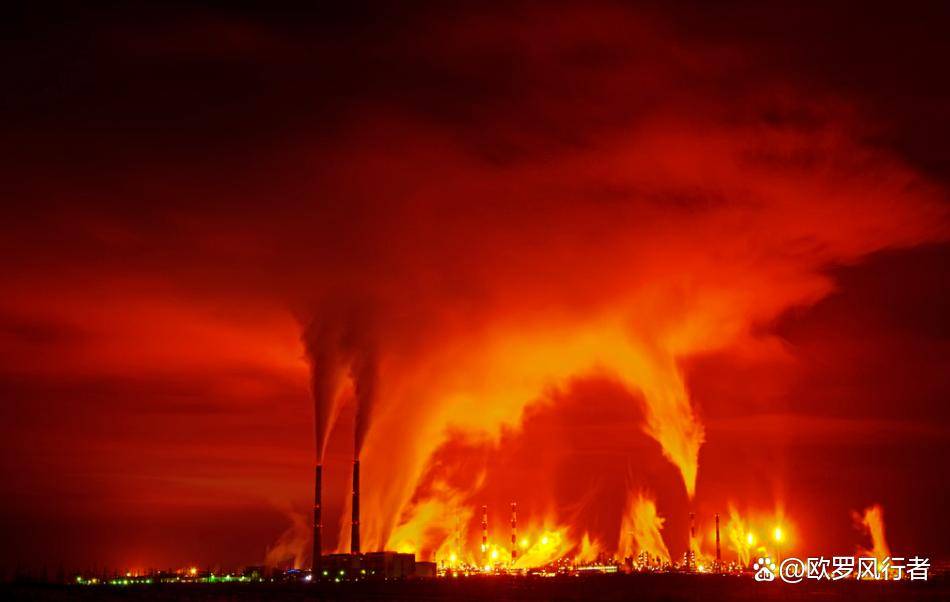
Core Insights - The article discusses a significant drone attack by Ukraine on the Orenburg gas processing plant in Russia, which has a processing capacity of 45 billion cubic meters, leading to a complete shutdown of operations [2][5] - The attack marks a shift in Ukraine's military strategy from indiscriminate strikes to targeted attacks on critical infrastructure, indicating a focus on Russia's economic vulnerabilities [5][14] Summary by Sections Attack Details - The drone strike occurred at a distance of over 1800 kilometers from the launch site, exceeding Ukraine's previous operational range [4] - The attack resulted in an 8% increase in European natural gas futures prices on the day of the incident [4] Strategic Importance - The Orenburg facility is crucial not only for Russia but also for Kazakhstan, as 25% of the associated gas from the Karachaganak oil field is processed there, with the facility accounting for 12% of Russia's gas exports [5] - The targeted gas processing workshop is described as the "heart" of the facility, capable of causing significant economic damage with relatively small explosives [5] Technological Advancements - The drones used in the attack are likely advanced models, such as the improved FP-2 and E-300 "Advantage," which have enhanced range and navigation capabilities [7] - The E-300 drone's navigation system allows it to operate effectively even in the presence of GPS jamming, achieving a target accuracy of within 5 meters [7] Cost Efficiency - The cost of the FP-2 drone is approximately $80,000, while the E-300 ranges from $250,000 to $450,000, significantly lower than the cost of U.S. cruise missiles [9] - Traditional Russian air defense systems, like the S-400, struggle to intercept these low-cost drones, resulting in a poor cost-effectiveness ratio [9] Tactical Innovations - Ukraine's military has adopted a "swarm night attack" strategy, successfully deploying multiple drones in waves to overwhelm Russian defenses [11] - The timing of the attacks during the early morning hours takes advantage of human fatigue among defense operators [11] Military and Economic Implications - The attack has led to a reduction in Kazakhstan's gas processing capacity, forcing a 30% cut in production due to environmental regulations [13] - Russia is compelled to redirect LNG shipments originally intended for Japan and South Korea to Europe, increasing logistical costs [13] Evolving Warfare Dynamics - The incident signifies a new phase in asymmetric warfare, demonstrating that smaller nations can effectively challenge larger powers through innovative and low-cost military technologies [14][18] - The vulnerabilities of traditional military defenses against low-cost, unmanned systems are highlighted, necessitating a reevaluation of defense strategies [18][19]
首次公开展出新型巡航导弹,乌克兰导弹改进局限性明显
Yang Shi Wang· 2025-10-23 07:37
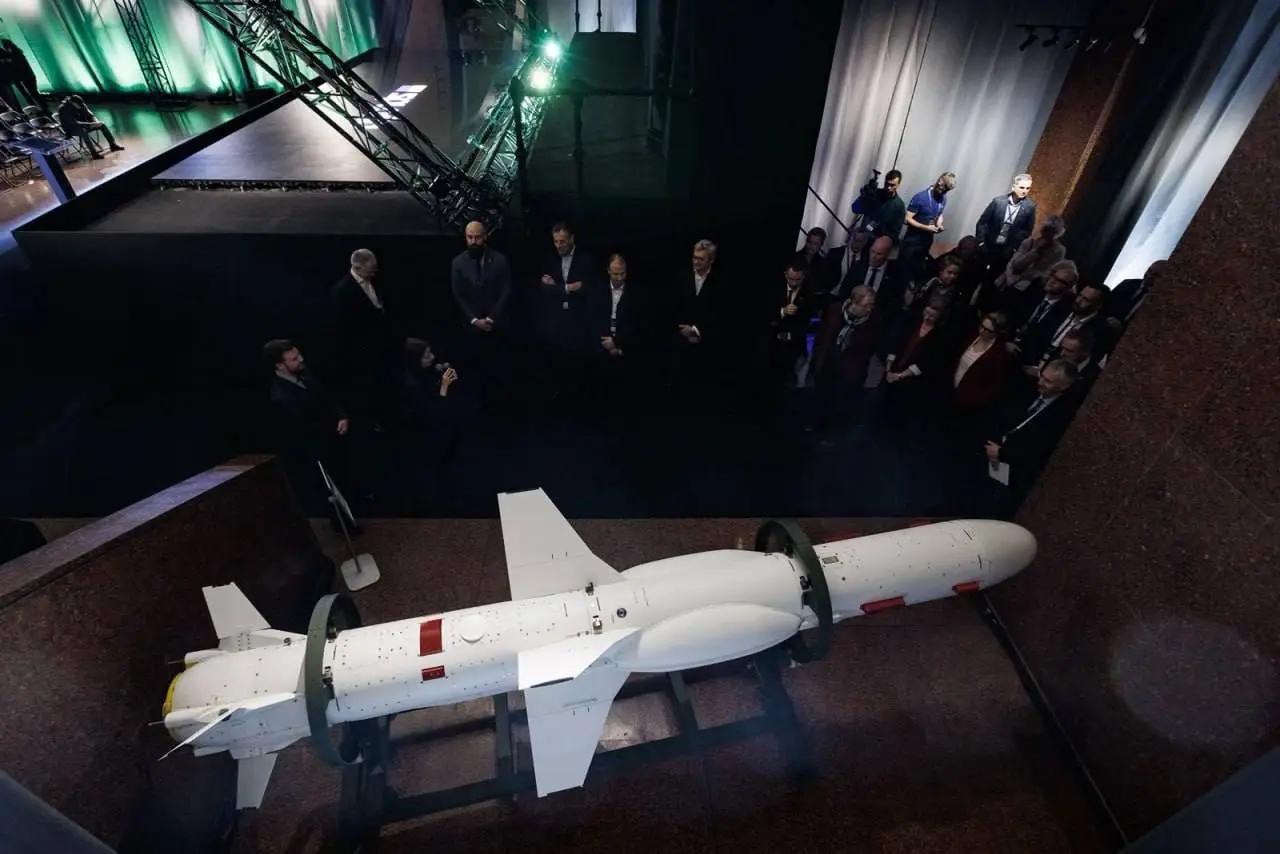
Core Viewpoint - Ukraine has publicly showcased its new cruise missile "Neptun-d," which is an upgraded version of the existing Neptun missile, aimed at enhancing missile technology performance and expanding operational capabilities during wartime [1][3]. Design Improvements - The Neptun-d missile features significant design changes, including large fairings on both sides of the missile body, effectively doubling its maximum width and increasing internal volume. This design is speculated to enhance fuel storage for extended flight range and allow for heavier warheads to improve damage effectiveness [3]. - The missile is equipped with a turbojet engine for subsonic flight, with a claimed range of several hundred kilometers. It retains the original control system of inertial navigation combined with terminal radar guidance, ensuring stable navigation and guidance [3]. Performance Limitations - Despite improvements, the Neptun-d missile still lags behind international counterparts in several aspects. The basic Neptun model has a publicly stated range of approximately 300 kilometers, with the Neptun-d potentially reaching 400-500 kilometers, which remains significantly lower than advanced missiles like the AGM-158C LRASM with ranges exceeding 555 kilometers and the new LRASM1.1 with a range of 1000 kilometers [6]. - The guidance system of Neptun-d is considered single-mode and vulnerable to interference, as it relies on a combination of inertial navigation and terminal radar, which is less effective in environments with strong electromagnetic interference compared to newer missiles that utilize composite guidance systems [6]. - The missile's survivability is also questioned, as it maintains a subsonic flight profile without significant stealth features, making it susceptible to interception by enemy radar systems before reaching its target [7]. Systemic Challenges - The Neptun-d represents a "small steps, quick runs" approach to technological improvement, highlighting systemic shortcomings in Ukraine's missile industry. Unlike projects with complete domestic supply chains, Ukraine's missile development heavily relies on imported components and technology, particularly in critical areas like engines and smart guidance systems [10]. - The lack of comprehensive support systems, such as electronic countermeasures and multi-wave saturation attacks, limits the missile's effectiveness in highly defended environments. Additionally, budget constraints hinder long-term technological iterations and system innovations [10]. Future Implications - The Neptun-d missile's development reflects the urgent need for Ukraine to enhance its weaponry amid ongoing conflict. While it may provide limited improvements in long-range strike capabilities, its overall effectiveness against well-defended targets remains constrained [12]. - The future of missile development should focus on integrating weapons into a comprehensive operational framework, emphasizing autonomous innovation and system integration to maintain a competitive edge in military engagements [11][12].
观察|菲律宾或向乌克兰购买自杀式无人艇,但掀不起什么风浪
Xin Lang Cai Jing· 2025-09-22 08:34
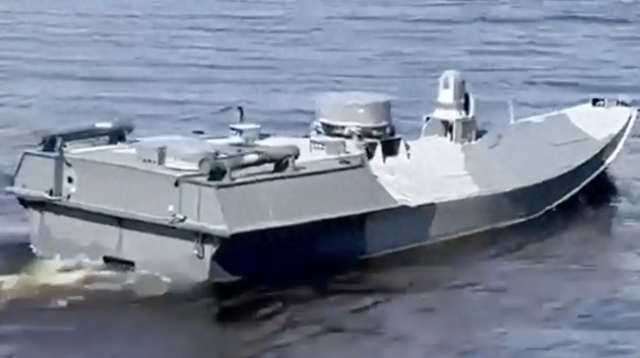
Core Viewpoint - The Philippines is in advanced discussions with Ukraine to establish a defense cooperation agreement focused on the introduction of suicide drones, with a potential agreement by the end of the year [1]. Group 1: Defense Cooperation - Ukraine's ambassador to the Philippines stated that both countries are working towards signing a defense cooperation memorandum by October, with a high-level Ukrainian delegation expected to visit Manila [1]. - The Philippines aims to enhance its naval capabilities through the acquisition of Ukrainian suicide drones, which are seen as a means to implement an asymmetric deterrence strategy in the South China Sea [8]. Group 2: Technology and Capabilities of Ukrainian Drones - Ukrainian suicide drones, such as the Magura V5, have demonstrated significant operational capabilities, including a maximum speed of 42 knots, a range of 833 kilometers, and a payload capacity of 320 kilograms [1]. - The Magura V5 has been involved in notable attacks against Russian naval assets, showcasing its effectiveness in modern warfare [3]. - The larger "Sea Baby" drone can carry an 860-kilogram warhead, indicating a substantial increase in destructive potential compared to other models [3]. Group 3: Operational Characteristics - Ukrainian drones exhibit strong stealth capabilities, with designs that minimize radar visibility, allowing them to operate effectively in challenging maritime conditions [6]. - The operational strategy includes coordinated attacks using multiple types of drones and drones in conjunction with unmanned aerial vehicles (UAVs) for reconnaissance and distraction [7]. - The flexibility of these drones allows for varied attack patterns, including swarm tactics that complicate enemy defenses [7]. Group 4: Strategic Implications for the Philippines - The introduction of Ukrainian drones could enable the Philippine Navy to conduct surveillance and reconnaissance, as well as group attacks against more powerful adversaries [8]. - The Philippines is looking to replicate Ukraine's success with drone warfare to compensate for its relatively weaker naval capabilities [9]. - However, the effectiveness of this strategy may be limited by the different operational environments and challenges posed by the South China Sea compared to the Black Sea [9].