
Motorcycles & ATVs

Search documents
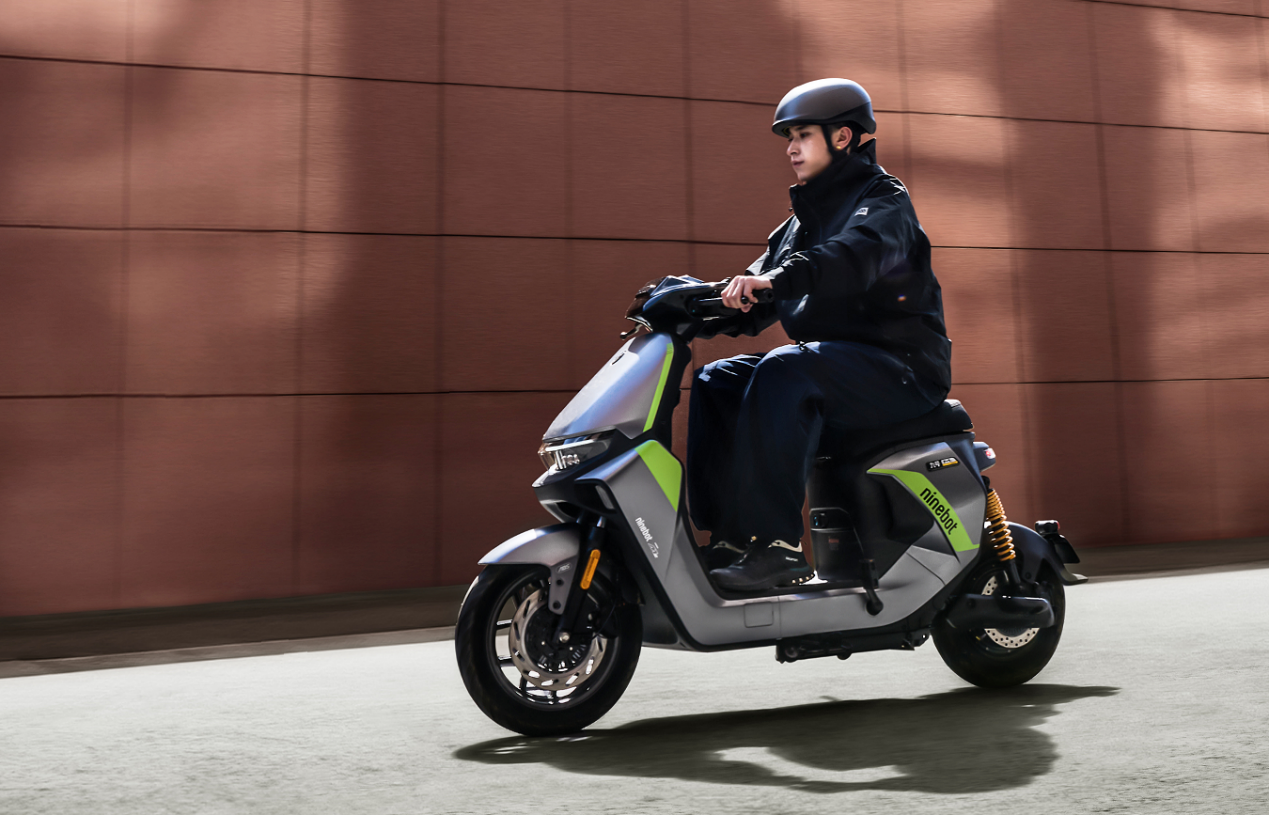
多品牌电动两轮车,计划下月涨价
财联社· 2026-03-30 01:24
Core Viewpoint - The electric two-wheeler market in China is expected to experience a price increase starting from April 2026, driven by rising raw material costs, the expiration of factory rebate policies, and the conclusion of promotional activities [3][5]. Group 1: Price Increase Factors - Major brands like Yadea, Aima, Tailg, and Ninebot plan to raise prices by approximately 200 to 300 yuan per model [4]. - The increase is significant for dealers who operate on thin margins and rely heavily on volume sales, indicating a shift in the market dynamics [4][5]. - The rise in prices is attributed to three main factors: sustained high raw material prices, the end of factory rebate policies, and the conclusion of promotional sales [5]. Group 2: Market Dynamics and Implications - The collective price increase from leading brands signals a potential end to the prolonged price war in the industry, suggesting a focus on profit recovery [6][7]. - The competitive landscape has begun to shift, with leading companies prioritizing profitability over market share, as evidenced by the financial reports of Yadea and Aima showing revenue growth but squeezed profit margins [6][7]. - The price adjustments may force second and third-tier brands to make difficult decisions regarding their pricing strategies, potentially leading to further market consolidation [6][7]. Group 3: Consumer Impact - Consumers are advised to make purchases before the price increase takes effect, as waiting could result in paying an additional 200 yuan for the same model [7]. - Despite the price hikes, intense competition may lead some brands or dealers to offer alternative promotions to maintain sales, such as discounts on older models or added services [7].




Niu(NIU) - 2025 Q4 - Earnings Call Transcript
2026-03-16 13:02
Financial Data and Key Metrics Changes - In Q4 2025, total sales volume was 172,000 units, a 23.8% year-over-year decline [4][30] - Total revenue for the year reached RMB 4.31 billion, up 31% year-over-year [8][33] - Gross margin for the full year was 19.6%, an increase of 4.4 percentage points year-over-year [37] Business Line Data and Key Metrics Changes - In China, sales volume was 158,782 units, down 12% year-over-year, while international sales were close to 14,000 units, down 68% year-over-year [5][30] - For the full year, total sales volume reached 1.19 million units, a robust 29% year-over-year increase, with China sales surging 46% to surpass 1.11 million units [7][8] - The electric motorcycle segment represented more than 23% of total annual sales, driven by the success of the FX Windstorm model [10][11] Market Data and Key Metrics Changes - The overseas sales totaled 80,000 units for the full year, reflecting a 51% decline due to channel restructuring [8][25] - In Q4, international electric motorcycle sales surged to over 2,000 units, a 187% year-over-year increase [24] - The company activated over 100,000 scooters in the consumer market, indicating robust consumer demand [26] Company Strategy and Development Direction - The company is focusing on strategic transformation, including a shift to direct-to-retailer partnerships in key markets [4][6] - Plans for 2026 include scaling leadership in the electric motorcycle segment and launching tailored offerings for female riders and technology enthusiasts [13][27] - The company aims to prioritize long-term profitability over short-term volume in the micromobility segment [25][29] Management's Comments on Operating Environment and Future Outlook - Management anticipates a pronounced recovery in consumer demand as regulatory frameworks stabilize [27] - The company expects total sales volume for 2026 to reach between 1.67 million to 1.91 million units [29][43] - Management is confident in handling cost increases associated with new national standards through price adjustments and cost reduction initiatives [49][50] Other Important Information - The company has expanded its retail footprint to over 4,500 locations, with a focus on lower-tier cities [22] - The digital ecosystem has shown strong performance, with total online sales reaching approximately 500,000 units [22][23] - The company plans to unveil an AI-enabled smart scooter at an upcoming product launch event [18] Q&A Session Summary Question: Current inventory situation for kick scooters in overseas markets and outlook for 2026 - The company reported around CNY 650 million in total inventory, with over 50% being aged kick scooters. The focus for 2026 will be on improving inventory turnover rather than introducing new models [47][48] Question: Potential cost increase due to new national standards for e-scooters - Management acknowledged that there will be cost increases but plans to adjust retail prices and implement cost reduction initiatives to manage these increases effectively [49][50]

用户非九号不买 店主抢着开九号店:这门“好生意”做对了什么?
Yang Guang Wang· 2026-02-12 10:00
Core Viewpoint - The article highlights the rising popularity of Ninebot electric scooters among young consumers, particularly during the Chinese New Year, showcasing a significant sales growth in a declining market, especially in Guangdong where sales increased by over 30% year-on-year [1] Group 1: Market Performance - Ninebot's sales have seen a counter-trend growth despite an overall industry decline, with smart electric motorcycles now accounting for over 80% of total sales in cities without motorcycle restrictions [1] - The brand's strategy has led to user loyalty and increased repurchase rates, with dealers eager to join the Ninebot network, even closing other brand stores to do so [1] Group 2: Business Strategy - Ninebot's approach focuses on long-term value rather than short-term gains, avoiding reliance on subsidies or aggressive inventory strategies, and instead prioritizing user value and partner success [2] - The company has established a transparent store opening rule, targeting a 20% market share as the optimal threshold for store density, ensuring a balance between availability and service quality [7][9] Group 3: Customer Experience - Users favor Ninebot due to its superior performance and experience, which includes standardized service and nationwide after-sales support, making it appealing to various customer segments [4][5] - The consistent service quality across all locations fosters a sense of reliability, transforming initial trials into strong brand loyalty [6] Group 4: Store Expansion Strategy - Ninebot's store expansion is data-driven, with a focus on user density, purchasing power, and service radius, adapting strategies based on city tiers [11] - In first-tier cities, Ninebot plans to establish more flagship stores to cater to diverse needs, while in lower-tier cities, the focus is on single-store efficiency and comprehensive service [12] Group 5: Sustainable Business Model - The company aims to build a sustainable local service ecosystem, emphasizing respect for the market and user needs, rather than competing through subsidies or aggressive scaling [13] - The willingness of users to repurchase and the commitment of store owners to invest in the brand reflect the effectiveness of this business logic [14]

Niu Technologies Announces Unaudited Third Quarter 2025 Financial Results
Globenewswire· 2025-11-17 09:00
Core Insights - Niu Technologies reported third quarter revenues of RMB 1,693.9 million, marking a 65.4% increase year-over-year, driven by a 49.1% rise in sales volume and an 11.0% increase in revenues per e-scooter [1][3][4] - The company achieved a net income of RMB 81.7 million, a significant turnaround from a net loss of RMB 40.9 million in the same period last year [1][4][8] - The gross margin improved to 21.8%, up from 13.8% in Q3 2024, attributed to a higher proportion of e-scooter sales and cost-reduction initiatives [4][6] Financial Highlights - Revenues from e-scooter sales in the China market reached RMB 1,481.9 million, an increase of 85.8% year-over-year, while international market sales decreased by 48.6% to RMB 67.0 million [3][9] - The total number of e-scooters sold was 465,873, with 451,455 sold in China (up 74.2%) and 14,418 in international markets (down 73.0%) [4][9] - Adjusted net income (non-GAAP) was RMB 88.4 million, compared to an adjusted net loss of RMB 34.2 million in Q3 2024 [4][9] Operating Performance - Operating expenses increased by 48.1% to RMB 297.1 million, but as a percentage of revenues, they decreased to 17.5% from 19.6% in Q3 2024 [6][10] - Selling and marketing expenses rose by 68.3% to RMB 214.9 million, primarily due to increased marketing efforts in the China market [10] - Research and development expenses increased by 43.2% to RMB 43.4 million, reflecting higher design and testing costs [10] Market Position and Strategy - The company is focusing on channel expansion and product transition strategies as it prepares for the implementation of new national standards [2] - Niu Technologies celebrated its 10th anniversary at EICMA, a key global industry exhibition, enhancing its brand influence internationally [2] - The company operates 4,542 franchised stores in China and has 57 distributors in its international sales network, covering 53 countries [4][9] Business Outlook - Niu expects fourth quarter revenues to range between RMB 737 million and RMB 901 million, indicating a potential year-over-year change of -10% to +10% [13]

Niu(NIU) - 2025 Q2 - Earnings Call Presentation
2025-08-11 12:00
Company Overview - NIU was founded in 2014[3] - The company has 4,304 stores in China[3] - NIU products are sold in 53 countries[3,29] - The company has sold 5.7 million scooters globally[3] Sales Performance (Q2 2025) - China sales volume reached 319,000 units, a 54% year-over-year increase[41] - Overseas sales volume reached 33,000 units, a 36% year-over-year decrease[41] - Total revenue was RMB 1,256 million, a 34% year-over-year increase[41] Financial Metrics (Q2 2025) - Gross margin was 20.1% of revenues[45] - Adjusted operating expenses were 17.0% of revenues[45] - Net margin was -27.2%[50] - Adjusted net margin was -2.1%[53] Balance Sheet (June 30, 2025) - Cash, restricted cash, deposits & short-term investment totaled RMB 1,441 million[48] - Total assets amounted to RMB 3,094 million[48] - Total liabilities amounted to RMB 2,190 million[48]
Niu(NIU) - 2025 Q1 - Earnings Call Presentation
2025-05-19 11:03
Financial Performance - Q1 2025 - Total revenue reached RMB 682 million in 1Q25[42] - China sales volume increased to 110 thousand units in 1Q25, a 35% year-over-year increase[42] - Overseas sales volume increased to 183 thousand units in 1Q25, a 66% year-over-year increase[42] - Gross margin was 173% of revenues in 1Q25[46] - Net margin was -272% in 1Q25[51] - Adjusted net margin was -46% in 1Q25[54] Assets and Liabilities - End of Period - Cash, restricted cash, deposits & short-term investment was RMB 963 million as of March 31, 2025[49] - Total assets were RMB 2508 million as of March 31, 2025[49] - Total liabilities were RMB 1611 million as of March 31, 2025[49] - Total equity was RMB 897 million as of March 31, 2025[49]
Niu(NIU) - 2024 Q4 - Earnings Call Transcript
2025-03-17 15:21
Financial Data and Key Metrics Changes - In Q4 2024, total sales volume reached 226,600 units, a significant 65% year-over-year growth, with total revenue of RMB819 million, reflecting a 71% increase compared to the same period last year [7][8][51]. - For the full year 2024, total sales volume was 924,000 units, representing a 30% year-over-year increase, and total revenue reached RMB3.29 billion, up 24% from 2023 [8][51]. Business Line Data and Key Metrics Changes - In Q4 2024, sales volume in China was 182,000 units, a 65% year-over-year increase, while overseas sales volume reached 44,000 units, marking a 64% growth [7][50]. - The N series accounted for 39% of total sales volume in China, a substantial increase from just 5% in 2023, demonstrating strong market demand [15]. - The ASP for China e-scooters reached RMB3,544, a 15% increase quarter-over-quarter and a 10% increase year-over-year [52]. Market Data and Key Metrics Changes - The overseas market saw a 54% growth in sales volume in Q4 2024 and a 52% growth for the full year [33]. - The overseas branded scooter ASP decreased to nearly RMB2,000, down around 10% year-over-year, primarily due to a higher sales contribution from kick-scooters [52]. Company Strategy and Development Direction - The company remains focused on expanding product offerings, strengthening sales channels, and broadening market reach, with a commitment to refining its strategy to achieve ambitious targets [9][23]. - In 2024, the company opened approximately 900 new stores, with plans to open another 1,000 to 1,500 stores in 2025 to strengthen market presence [26][27]. Management's Comments on Operating Environment and Future Outlook - Management expressed optimism about the China market and overseas market, highlighting strong foundations established in 2024 and expectations for continued growth in 2025 [39][44]. - The company anticipates a positive effect on ASP and gross margin in the domestic market in 2025, driven by increased sales volume and economies of scale [73]. Other Important Information - The gross margin for Q4 2024 was 12.4%, a decrease of 6.6 percentage points compared to the same period last year, primarily due to shifts in the overseas product mix and US tariffs [56]. - The company ended the year with RMB1.1 billion in cash and short-term investments, with operating cash flow showing an inflow of RMB55 million [62]. Q&A Session Summary Question: What is your sales target for kick-scooters in 2025? - The company expects a sales target of approximately 30% to 50% growth for kick-scooters in 2025, following a previous year of over 160,000 units sold [66][67]. Question: What is your outlook for average selling price and gross profit margin in the domestic market in 2025? - The company anticipates a slight increase in ASP in the domestic market, with expectations for improved gross margin due to economies of scale and increased sales volume [70][73]. Question: Can you provide guidance on expected net profit margin by 2025? - The company is not ready to share specific net profit margin guidance but expects to achieve overall profitability in 2025 [80][81]. Question: Which quarter in 2025 is expected to see the company's net profit turn from loss to profit? - The company expects to see quarterly profits in the second quarter of 2025, which is typically a peak quarter for revenue [84].