Proxy Advisory

Search documents
Wells Fargo Cuts Proxy Adviser Ties in Latest Blow to Industry
WSJ· 2026-01-28 11:00
Core Viewpoint - The bank will independently make voting decisions on shareholder proposals, moving away from reliance on proxy advisers like ISS and implementing a new internal decision-making system [1] Group 1 - The bank's decision signifies a shift towards internal governance and decision-making processes [1] - The new internal system is expected to enhance the bank's control over shareholder voting [1] - This move may reflect a broader trend in the industry towards reducing dependence on external advisory services [1]



JPMorgan to Leverage AI Solutions, Will Abandon Reliance on Proxy Advisory Firms
Crowdfund Insider· 2026-01-08 18:56
Core Viewpoint - JPMorgan Chase has decided to discontinue its reliance on third-party proxy advisory firms, opting for an in-house artificial intelligence solution to enhance efficiency and customization in proxy voting [1][5]. Group 1: Proxy Advisory Industry Context - Proxy advisors like Institutional Shareholder Services (ISS) and Glass Lewis have historically guided institutional investors on corporate governance matters, influencing trillions in investments [2]. - The proxy advisory industry is under scrutiny, with the Federal Trade Commission (FTC) investigating potential anticompetitive practices and conflicts of interest due to market concentration [4]. Group 2: JPMorgan's Strategic Shift - CEO Jamie Dimon has criticized proxy advisors for their "one-size-fits-all" approaches, which often overlook company-specific contexts [3]. - JPMorgan's move to internalize proxy voting processes is seen as a pioneering step, making it the first major investment bank to sever ties with external proxy services [5]. Group 3: Proxy IQ and AI Implementation - JPMorgan is developing Proxy IQ, a custom-built AI platform designed to manage the proxy voting process and analyze data from over 3,000 corporate meetings annually [6]. - The AI platform utilizes machine learning algorithms to process complex governance documents and financial reports, providing real-time recommendations tailored to JPMorgan's investment strategies [7]. Group 4: Industry Implications and Future Trends - The shift towards in-house AI solutions may prompt other financial institutions to reassess their reliance on external proxy advisory services, potentially disrupting the $2 billion proxy advisory market [9]. - This transition reflects a broader trend in finance where AI is increasingly used to enhance operations, reduce costs, and minimize biases associated with external firms [8].

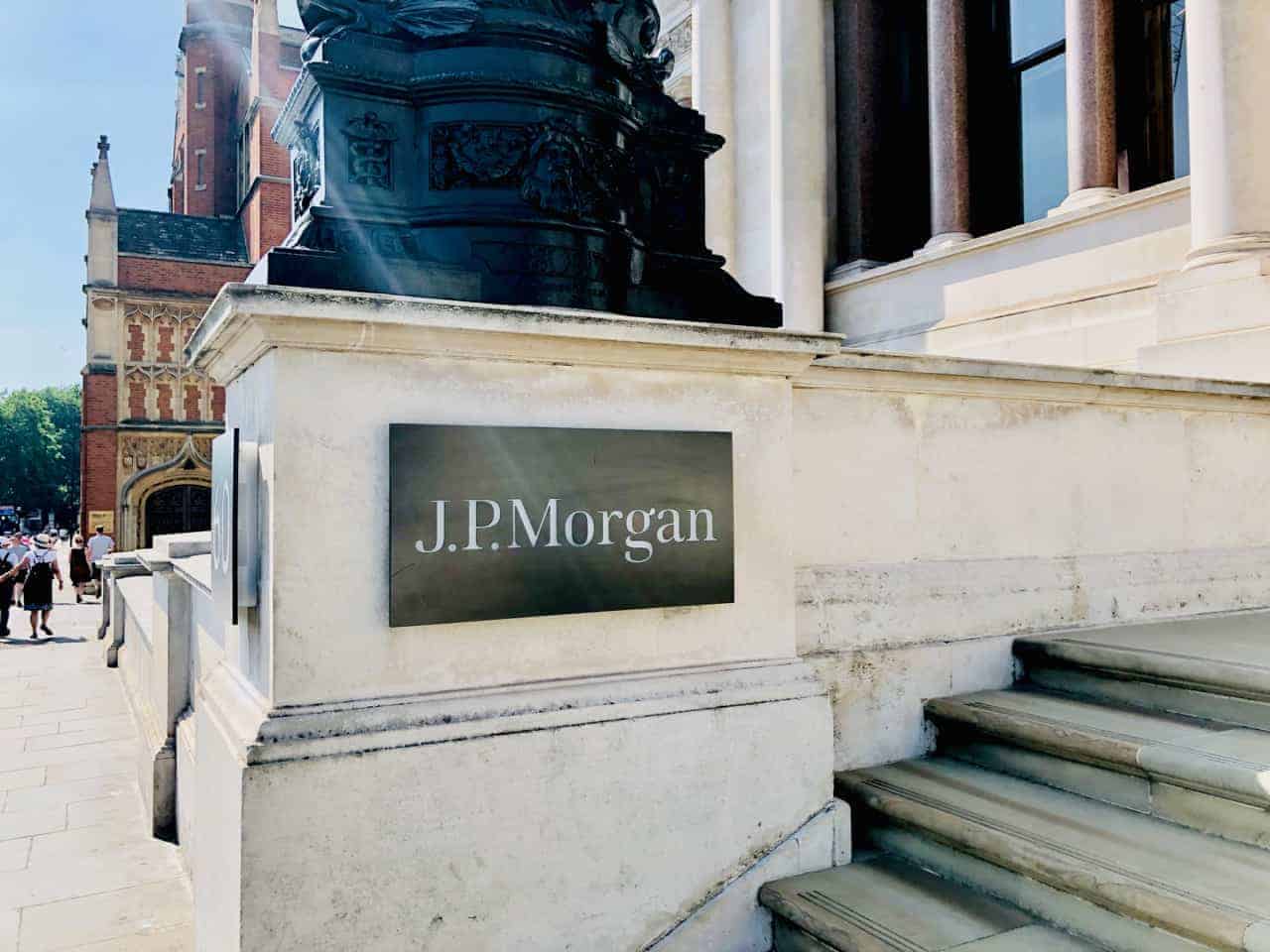
JPMorgan abandons proxy advisers and turns to AI
Yahoo Finance· 2026-01-08 12:02
Core Viewpoint - JPMorgan Chase's asset-management division has decided to end its relationship with proxy advisory firms and will now manage shareholder voting internally using AI technology, amidst increasing regulatory scrutiny in the proxy advisory sector [1][3]. Group 1: Company Actions - The asset-management unit will utilize an internally developed AI platform named Proxy IQ to manage and analyze voting at over 3,000 annual meetings of US companies [2]. - JPMorgan is the first major investment firm to completely eliminate the use of external proxy advisers, opting to rely solely on its internal stewardship team and technology for voting decisions [3]. Group 2: Industry Context - Proxy advisory firms like Institutional Shareholder Services (ISS) and Glass Lewis assist investment institutions with proxy voting complexities [4]. - Recent regulatory developments have prompted ISS to clarify that it does not set corporate governance standards, allowing clients to retain full discretion over their decisions [5]. - Glass Lewis has announced plans to cease offering widely distributed benchmark recommendations by 2027, shifting focus to tailored advice for individual clients [5].
Jamie Dimon’s bombshell on proxy advisory delivers a body blow to the firms he called ‘incompetent’
Yahoo Finance· 2026-01-07 17:30
Core Viewpoint - JPMorgan Asset Management has severed ties with proxy advisory firms ISS and Glass Lewis, opting to use its own AI-driven voting platform, Proxy IQ, marking a significant shift in shareholder power dynamics [1][3]. Group 1: JPMorgan's Strategic Move - JPMorgan Asset Management manages over $7 trillion in client assets and is the first major asset manager to rely solely on an internal voting platform [1]. - CEO Jamie Dimon has criticized proxy advisers as "incompetent" and has declared their dominance as "done with," indicating a challenge to the existing proxy advisory system [2][3]. - The decision to replace external advisers with an internal platform allows JPMorgan to control the shareholder voting process, which it previously condemned [4]. Group 2: Political and Regulatory Context - The move follows an executive order from President Trump, which directs federal agencies to investigate proxy advisers due to concerns over their influence being driven by political agendas rather than fiduciary duties [2]. - This combination of political and financial pressure from both Trump and JPMorgan represents a significant challenge to the proxy advisory industry [2]. Group 3: Broader Industry Implications - The shift towards a more decentralized and digitally engaged electorate is part of a broader trend toward democratization in investing, allowing individual investors to have real-time access to voting [4]. - The upcoming proxy season may see individual investors playing a more significant role, potentially overshadowing traditional activist campaigns and institutional influences [5]. - Other companies, like ExxonMobil, are also adapting to elevate individual investors, reflecting a growing trend in the industry [6].
Analysis-New Trump order reining in proxy advisers could weaken shareholder rights
Yahoo Finance· 2025-12-16 11:06
Core Viewpoint - A new White House order aims to increase oversight of proxy advisory firms, reflecting a broader Republican effort to diminish investor influence and enhance the authority of CEOs and corporate governance [1][2]. Group 1: Impact on Proxy Advisory Firms - The order targets major proxy advisers like Institutional Shareholder Services and Glass, Lewis & Co, which play a crucial role in guiding institutional investors on corporate voting [2]. - The directive suggests that proxy firms may prioritize politically motivated agendas over shareholder returns, particularly concerning environmental and social issues [3][5]. Group 2: Shareholder Influence and Corporate Governance - The order could potentially limit shareholder power by complicating the process for investors to exert pressure on companies through proxy campaigns [6]. - Shareholder proposals, which often advocate for measures like CEO pay limits and board director voting, may be at risk if the SEC revises or rescinds existing rules [5][6]. Group 3: Perspectives on ESG Issues - There is a divide among shareholders regarding the relevance of environmental and social governance (ESG) issues to financial performance, with some arguing that strong ESG policies can enhance long-term company value [7]. - The order reflects a belief that issues like diversity and environmental concerns do not correlate with financial outcomes, contrary to the views of many investors and proxy advisers [7].
Trump orders reviews of proxy advisers in latest pressure on financial industry
Yahoo Finance· 2025-12-12 02:02
Core Viewpoint - The executive order signed by U.S. President Donald Trump aims to increase oversight of the proxy advisory industry, specifically targeting firms like Institutional Shareholder Services (ISS) and Glass Lewis for their influence on corporate governance and potential violations of rules related to environmental and social issues [1][2]. Group 1: Executive Order Details - The order directs the U.S. Securities and Exchange Commission (SEC) and other agencies to review the practices of top proxy advisers regarding their treatment of environmental and social issues [1]. - Agencies such as the Federal Trade Commission and the Labor Department are instructed to consider new regulations in response to the order [1]. Group 2: Industry Response and Background - ISS has stated it will review the executive order and consider steps to mitigate any potential adverse impacts on its clients, emphasizing its commitment to operate ethically and independently [4]. - The order is part of a broader conservative effort to limit the influence of proxy advisory firms, which have been criticized by Republican politicians and business leaders for their significant role in corporate governance decisions [2][3]. Group 3: Historical Context - Previous Republican attempts to restrict proxy advisory firms have faced challenges, including court disputes and pushback from asset managers who value the firms for simplifying complex voting decisions [3]. - The order does not address previous expectations from trade groups regarding restrictions on proxy voting by large funds, indicating a shift in focus [3]. Group 4: Ownership Concerns - The foreign ownership of ISS by Germany's Deutsche Boerse and Glass Lewis by Canadian private equity firm Peloton Capital has been highlighted as a concern, aligning with past Republican criticisms [6].
The Wrap-Up for Thursday November 13
Youtube· 2025-11-13 12:10
Group 1 - The Federal Trade Commission is investigating whether proxy advisory firms ISS and Glass Lewis have violated antitrust laws regarding their influence on shareholder votes [2] - Sealed Air's shares are experiencing a surge in pre-market trading due to reports of discussions with buyout firm Clayton Dublier and Rice about taking the company private [3] - Prior to the pre-market increase, Sealed Air shares had already risen approximately 10% year-to-date [3] Group 2 - BYU is launching new AI processors and supercomputing products, emphasizing their capability to provide domestically controlled computing power [2]