
《一江春水向东流》

Search documents
从东方好莱坞到左翼电影摇篮,一代代电影人为何来到上海
Di Yi Cai Jing· 2025-11-29 09:45
Core Insights - The exhibition "To Shanghai" commemorates the 120th anniversary of Chinese cinema, showcasing 761 valuable exhibits and three main exhibition areas, marking the largest and most comprehensive exhibition since the Shanghai Film Museum opened [1] - The exhibition aims to explore why filmmakers have historically flocked to Shanghai and the numerous classics created there over the past 120 years [1] Group 1: Historical Context - The first film screening in China occurred on May 22, 1897, in Shanghai, marking the beginning of the city's relationship with cinema [1] - By the 1930s, Shanghai had established itself as a major film hub with three centers: a business center in Huangpu, a consumer center in Hongkou, and a production center in Xujiahui [2] - The exhibition highlights the vibrant film culture in Shanghai, with over 30 film production companies operating in Xujiahui and 32 cinemas in Hongkou, which accounted for more than half of Shanghai's cinemas at the time [2][3] Group 2: Creative Peaks - The second part of the exhibition, "Sea of Chinese Chapters," outlines five creative peaks in Shanghai's film history, emphasizing the contributions of filmmakers from various regions [6] - The establishment of the "Party's Film Group" in 1933 marked a significant milestone, leading to the creation of influential leftist films such as "The Sons and Daughters of the Storm" and "The Goddess" [6] - Post-World War II, the realism genre peaked with films like "A River of Spring Water Flows East," which attracted over 700,000 viewers and became a box office success [8] Group 3: Cultural Integration - The exhibition concludes by illustrating how cinema has integrated into the fabric of Shanghai life, showcasing the city's achievements in film production, festivals, and cultural consumption [9] - The Shanghai International Film Festival, as the only A-class international film festival in China, serves as a window to the city's cinematic vitality, with historical signatures from filmmakers displayed [11] - A specially designed "Shanghai Film Map" connects filmmakers' residences, classic filming locations, and unique cinemas, creating a cultural route for film enthusiasts [11]

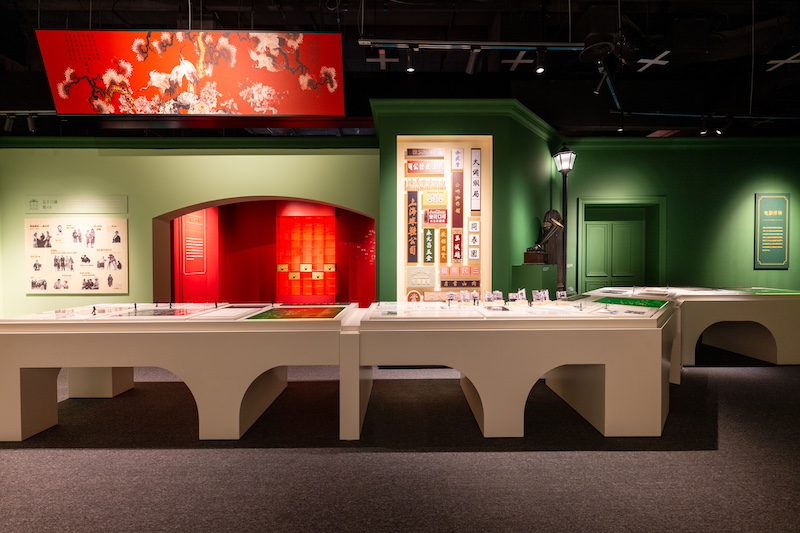
“到上海去——纪念中国电影诞生120周年特展”下周推出 80%展品首次亮相 百廿年光影传奇 “有一种选择叫上海”
Jie Fang Ri Bao· 2025-11-13 01:35
Core Viewpoint - The Shanghai Film Museum will launch a major exhibition titled "Going to Shanghai - Commemorating the 120th Anniversary of Chinese Cinema" on November 21, showcasing 761 exhibits, with 80% being displayed for the first time, marking the largest and most diverse exhibition since the museum's establishment [1][2]. Group 1: Historical Significance - The exhibition highlights the historical significance of Shanghai as the birthplace of Chinese cinema, with the first film screening occurring in Shanghai in 1897, predating the film "Dingjun Mountain" [3]. - Shanghai has been the site of numerous "firsts" in Chinese cinema, including the first cinema, the first production company, and the first distribution company, establishing it as a cultural hub for film [3][4]. Group 2: Exhibition Highlights - The exhibition features rare artifacts, including a 4-meter-wide celebratory banner for the opening of the Minxin Film Company, showcasing exquisite craftsmanship [5]. - A significant artifact is the subtitle photography table used in classic animations, which has been made accessible to the public for the first time [6]. - A diary belonging to film entrepreneur Lu Jie, containing insights into the origins of film terminology, is also a key exhibit [6]. Group 3: Cultural Impact - The exhibition aims to connect the history of Shanghai cinema with contemporary film culture, showcasing the city's ongoing influence in the film industry [8][10]. - It emphasizes the role of Shanghai as a vibrant cultural node in the global film landscape, highlighting the interaction between local and international filmmakers [8][10]. Group 4: Audience Engagement - The exhibition is designed to attract a broad audience, including film enthusiasts and the general public, with interactive installations and themed areas [10][12]. - It features a "Fan's Home" area that invites visitors to engage with film culture through various interactive experiences [10][12]. Group 5: Legacy and Future - The exhibition reflects on the historical consumption of cinema in Shanghai, with notable figures like Lu Xun documenting their film-going experiences, illustrating the deep-rooted connection between cinema and daily life in the city [11]. - The ongoing efforts to integrate film culture into urban life are highlighted, showcasing how cinema has become a lifestyle in Shanghai [10][12].
