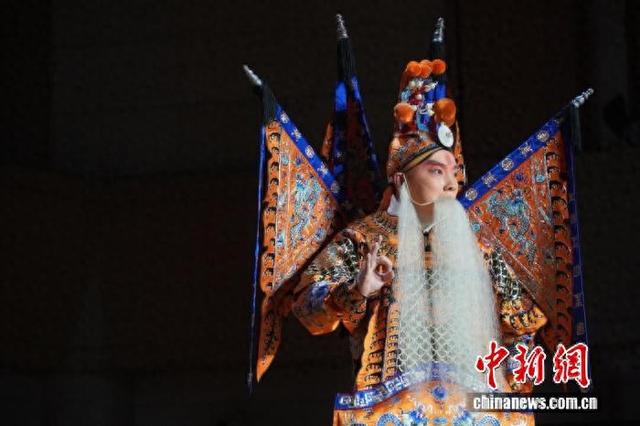
《定军山》

Search documents
北京市广电局局长:今年将推出《生命树》等京产剧
Xin Jing Bao· 2026-01-26 14:08
Core Insights - The "Beijing Audio-Visual" brand has achieved significant success in content creation, dissemination, and industry leadership over the past year, with a record number of works produced [2][4] Group 1: Achievements of "Beijing Audio-Visual" - A total of 465 works were produced in the past year, with 252 receiving recognition from the National Radio and Television Administration, marking a new high [2] - Notable works include the documentary "Lugou Bridge: Our Commemoration" and the drama "Six Sisters," which set new viewership records [2] - The micro-short drama industry accounted for two-thirds of the national market, with the first flagship work exceeding 100 million in investment [2] Group 2: Upcoming Projects and Plans - In 2026, 15 new projects, including revolutionary and historical dramas, are set to be produced, with over a quarter of the total projects coming from Beijing [4][9] - Upcoming releases include "The Tree of Life" and "Winter Comes Spring," with a diverse range of genres planned for the audience [4] Group 3: Integration of Culture and Commerce - The "Super Scene" initiative has been implemented to enhance the integration of culture, commerce, and tourism, covering over 30 theaters and more than 100 cinemas nationwide [6][7] - The initiative has successfully expanded internationally, reaching audiences in Malaysia and Hong Kong [6] Group 4: Future Development Strategies - The Beijing Municipal Bureau of Radio and Television aims to implement the "1481" annual plan, focusing on innovation and the creation of high-quality audio-visual works [9][10] - Key areas of focus include enhancing mainstream media effectiveness, improving service systems, and fostering international communication [10]
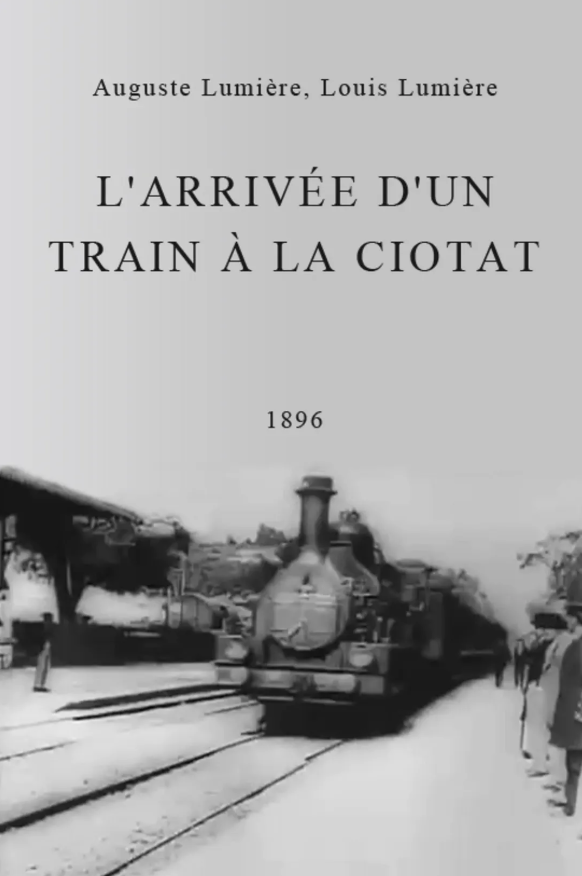
从巴黎的《火车进站》到北京的《定军山》,“第一部电影”这样诞生
Huan Qiu Shi Bao· 2025-12-28 22:51
Core Viewpoint - The Lumière brothers are recognized as the inventors of cinema, with their film "Arrival of a Train at La Ciotat" marking the birth of public film screenings [1][3]. Group 1: Invention and Historical Context - The first public screening of a film took place on December 28, 1895, in Paris, featuring "Arrival of a Train at La Ciotat," which is considered a milestone in film history [1][3]. - Prior to the Lumière brothers, various inventions such as "phenakistoscope" and "kinetoscope" laid the groundwork for the development of motion pictures [3]. - The Lumière brothers' film utilized a 17-meter long film reel and was projected using a hand-cranked projector, lasting approximately one minute [3]. Group 2: Impact and Audience Reaction - The screening of "Arrival of a Train at La Ciotat" caused a stir among the audience, who believed a real train would emerge from the screen, leading to a humorous panic [4]. - This event and the film itself have been referenced in various works, including the upcoming 2024 Paris Olympics opening ceremony [4]. Group 3: Introduction of Cinema in China - Following the invention of cinema, films quickly reached China, with the first short films appearing in Shanghai just a year after the Lumière brothers' screening [5]. - The first Chinese film, "Dingjun Mountain," was created in 1905 by Ren Qingtai, who recognized the commercial potential of film and used a hand-cranked camera [6][8]. - "Dingjun Mountain" was based on a story from "Romance of the Three Kingdoms" and marked the beginning of Chinese cinema, leading to the establishment of Beijing's first professional cinema [8].

从东方好莱坞到左翼电影摇篮,一代代电影人为何来到上海
Di Yi Cai Jing· 2025-11-29 09:45
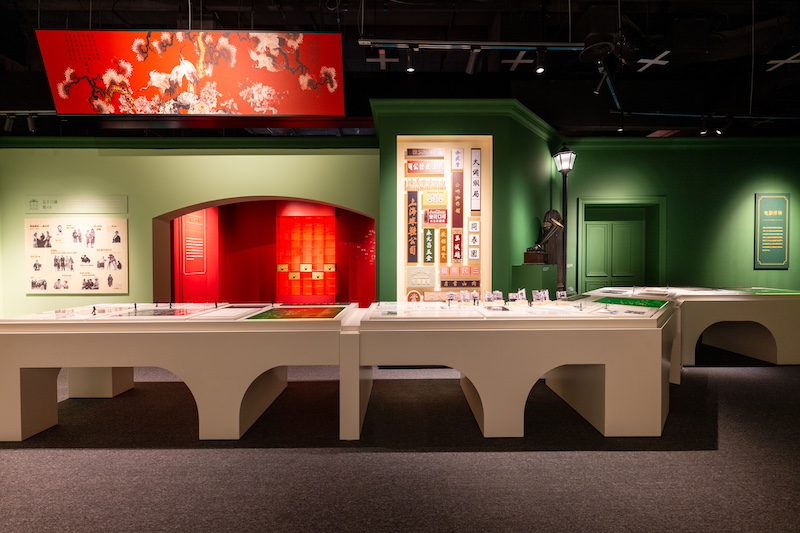
Core Insights - The exhibition "To Shanghai" commemorates the 120th anniversary of Chinese cinema, showcasing 761 valuable exhibits and three main exhibition areas, marking the largest and most comprehensive exhibition since the Shanghai Film Museum opened [1] - The exhibition aims to explore why filmmakers have historically flocked to Shanghai and the numerous classics created there over the past 120 years [1] Group 1: Historical Context - The first film screening in China occurred on May 22, 1897, in Shanghai, marking the beginning of the city's relationship with cinema [1] - By the 1930s, Shanghai had established itself as a major film hub with three centers: a business center in Huangpu, a consumer center in Hongkou, and a production center in Xujiahui [2] - The exhibition highlights the vibrant film culture in Shanghai, with over 30 film production companies operating in Xujiahui and 32 cinemas in Hongkou, which accounted for more than half of Shanghai's cinemas at the time [2][3] Group 2: Creative Peaks - The second part of the exhibition, "Sea of Chinese Chapters," outlines five creative peaks in Shanghai's film history, emphasizing the contributions of filmmakers from various regions [6] - The establishment of the "Party's Film Group" in 1933 marked a significant milestone, leading to the creation of influential leftist films such as "The Sons and Daughters of the Storm" and "The Goddess" [6] - Post-World War II, the realism genre peaked with films like "A River of Spring Water Flows East," which attracted over 700,000 viewers and became a box office success [8] Group 3: Cultural Integration - The exhibition concludes by illustrating how cinema has integrated into the fabric of Shanghai life, showcasing the city's achievements in film production, festivals, and cultural consumption [9] - The Shanghai International Film Festival, as the only A-class international film festival in China, serves as a window to the city's cinematic vitality, with historical signatures from filmmakers displayed [11] - A specially designed "Shanghai Film Map" connects filmmakers' residences, classic filming locations, and unique cinemas, creating a cultural route for film enthusiasts [11]
“到上海去” 回望中国电影120年 复刻版影像致敬1905年第一部电影《定军山》“电影之城”特殊魅力亮相特展
Jie Fang Ri Bao· 2025-11-23 02:32
Core Insights - The exhibition "To Shanghai - Commemorating the 120th Anniversary of Chinese Cinema" showcases the historical significance of the film "Dingjun Mountain," which is considered the beginning of Chinese cinema, despite the original film being lost in a fire [1][2] - The event highlights the deep-rooted connection between the Tan family and the film industry, with multiple generations involved in film creation and performance [2] - The exhibition features 761 items, including the 120-second tribute film to "Dingjun Mountain," marking a significant moment in the history of Chinese cinema [3][4] Summary by Sections Historical Context - "Dingjun Mountain," filmed by Tan Xinpei in 1905, is recognized as the first Chinese film, but only a single still remains due to a fire that destroyed the original footage [1][2] - The film's premiere attracted massive attention, reflecting the public's excitement for seeing a Chinese film for the first time [2] Exhibition Details - The exhibition at the Shanghai Film Museum is the largest and most comprehensive since its opening, featuring a variety of historical documents, artifacts, and recreated scenes [3][4] - It aims to celebrate the achievements of Shanghai in the film industry, showcasing significant films and technological advancements over the years [4] Cultural Significance - The influence of traditional Chinese opera on cinema is emphasized, with many film masters drawing inspiration from this art form [3] - The exhibition serves as a reminder of Shanghai's pivotal role in the development of Chinese cinema, transitioning from its origins in Beijing to becoming a thriving film hub [3][4]

“到上海去——纪念中国电影诞生120周年特展”下周推出 80%展品首次亮相 百廿年光影传奇 “有一种选择叫上海”
Jie Fang Ri Bao· 2025-11-13 01:35
Core Viewpoint - The Shanghai Film Museum will launch a major exhibition titled "Going to Shanghai - Commemorating the 120th Anniversary of Chinese Cinema" on November 21, showcasing 761 exhibits, with 80% being displayed for the first time, marking the largest and most diverse exhibition since the museum's establishment [1][2]. Group 1: Historical Significance - The exhibition highlights the historical significance of Shanghai as the birthplace of Chinese cinema, with the first film screening occurring in Shanghai in 1897, predating the film "Dingjun Mountain" [3]. - Shanghai has been the site of numerous "firsts" in Chinese cinema, including the first cinema, the first production company, and the first distribution company, establishing it as a cultural hub for film [3][4]. Group 2: Exhibition Highlights - The exhibition features rare artifacts, including a 4-meter-wide celebratory banner for the opening of the Minxin Film Company, showcasing exquisite craftsmanship [5]. - A significant artifact is the subtitle photography table used in classic animations, which has been made accessible to the public for the first time [6]. - A diary belonging to film entrepreneur Lu Jie, containing insights into the origins of film terminology, is also a key exhibit [6]. Group 3: Cultural Impact - The exhibition aims to connect the history of Shanghai cinema with contemporary film culture, showcasing the city's ongoing influence in the film industry [8][10]. - It emphasizes the role of Shanghai as a vibrant cultural node in the global film landscape, highlighting the interaction between local and international filmmakers [8][10]. Group 4: Audience Engagement - The exhibition is designed to attract a broad audience, including film enthusiasts and the general public, with interactive installations and themed areas [10][12]. - It features a "Fan's Home" area that invites visitors to engage with film culture through various interactive experiences [10][12]. Group 5: Legacy and Future - The exhibition reflects on the historical consumption of cinema in Shanghai, with notable figures like Lu Xun documenting their film-going experiences, illustrating the deep-rooted connection between cinema and daily life in the city [11]. - The ongoing efforts to integrate film culture into urban life are highlighted, showcasing how cinema has become a lifestyle in Shanghai [10][12].
从这场开幕式的八个瞬间 读懂中国电影人的接力跑
Xin Hua Wang· 2025-11-12 02:00
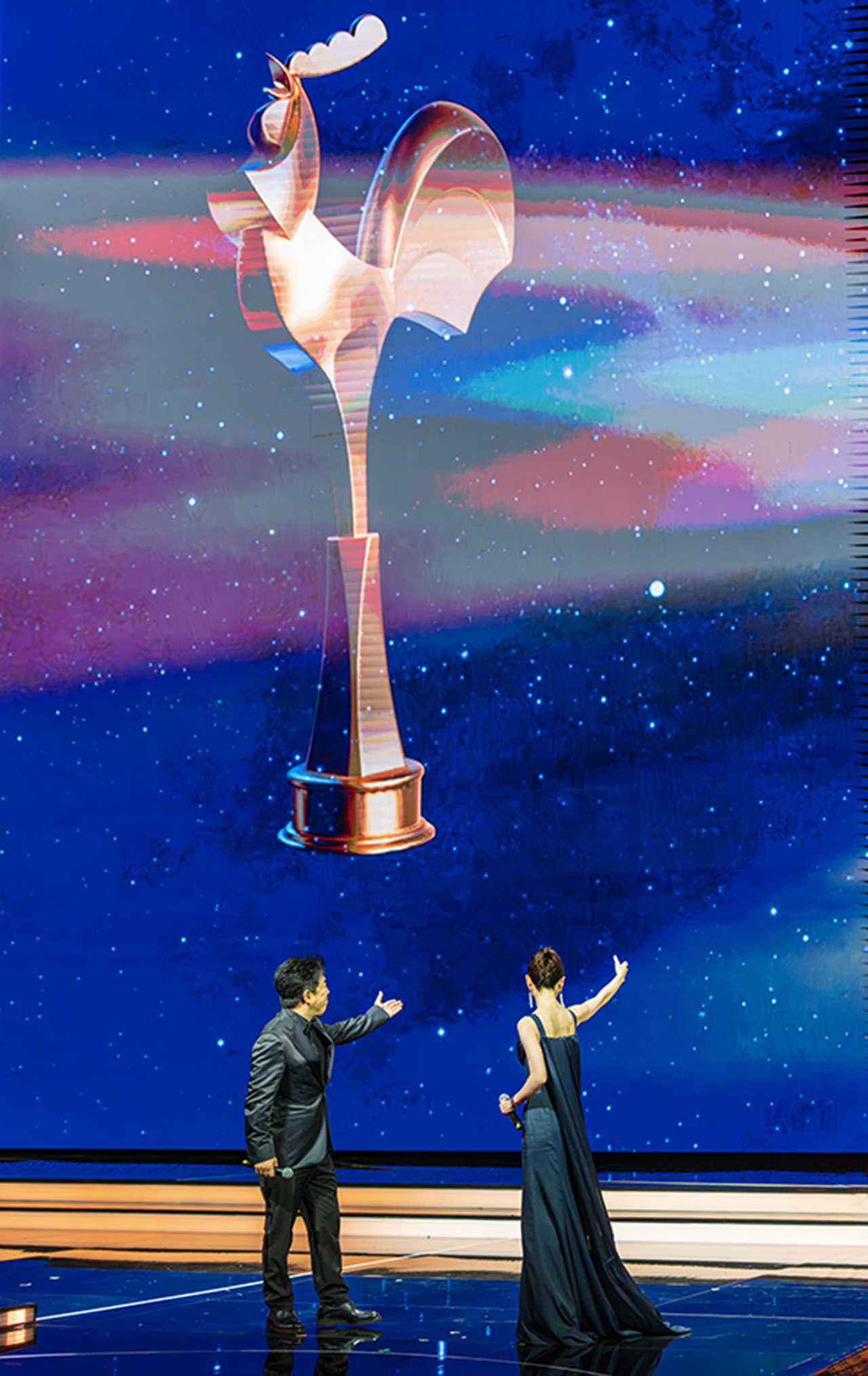
Core Points - The 2025 China Golden Rooster and Hundred Flowers Film Festival opened in Xiamen, celebrating the 120th anniversary of Chinese cinema [1][4][6] Group 1: Opening Ceremony Highlights - Actors Huang Bo and Zhou Dongyu lit up the "Golden Rooster" symbolizing the creative spirit of filmmakers [1][4] - 84-year-old filmmaker Xiao Guiyun shared her reflections on the responsibility and challenges of filming historical subjects, emphasizing the importance of passing down revolutionary spirit [6][7] - Actress Wan Qian described her acting journey as a series of love letters to film, highlighting the dedication and passion required in the industry [6][10] Group 2: Tribute to Chinese Cinema - Film professionals collectively honored the 120th anniversary of Chinese cinema, noting the evolution from traditional theater to digital screens as a significant aesthetic and technological advancement [7][9] - Singer Yu Kewei performed the festival's theme song "Light and Shadow in the World," paying tribute to the history of Chinese cinema [9][12] Group 3: Future of Film - The festival introduced initiatives like AI talent selection, XR film exhibition, and mobile film projects, positioning itself as a laboratory for new creative forms [7][18] - The appearance of the "Zhi Yuan Ling Xi X2" robot at the opening ceremony symbolized the integration of technology in the film industry, indicating a new era of "Tech+" in Chinese cinema [18][19]
飞驰的光影,映照追梦的中国——写在中国电影诞生120周年
Ren Min Ri Bao· 2025-10-19 00:36
Core Insights - The Chinese film industry has achieved significant milestones, with box office revenue surpassing last year's total by 2025, marking a new record for domestic animated films [1][6] - The development of Chinese cinema reflects the cultural memory and spiritual pursuits of the Chinese nation, as emphasized by President Xi Jinping [1] Historical Context - Chinese cinema began in 1895 with the first film screening in France, followed by the production of "Dingjun Mountain" in 1905, showcasing strong national characteristics [2] - The evolution of Chinese films has preserved cultural memories and reflected the struggles and aspirations of the people through various iconic films and dialogues [2][4] Cultural Significance - Films serve as a medium for expressing the voices and emotions of the people, with a focus on themes that resonate with the public [4] - The industry has maintained a commitment to traditional Chinese culture while exploring modern storytelling techniques [5] Market Dynamics - The Chinese film market has seen a significant leap in scale, with box office revenues exceeding 440 billion yuan this year, compared to less than 1 billion yuan at the beginning of the century [6] - Technological advancements in film production have accelerated, with a notable increase in the number of special effects used in animated films [6][8] Policy and Reform - The film industry has benefited from reforms that have integrated market dynamics with socialist cultural values, supported by various regulatory frameworks [7] - The "14th Five-Year Plan" aims to establish China as a film powerhouse by 2035, presenting historical opportunities for the industry [7] International Presence - Chinese films are increasingly defining the concept of "blockbusters," with domestic films accounting for over 70% of box office revenue for five consecutive years [9] - The global competitiveness of Chinese cinema is highlighted by successful international releases and collaborations [10][11] Challenges and Future Outlook - The industry faces challenges such as competition from short videos, changing audience preferences, and structural issues [12] - Despite these challenges, the evolution of Chinese cinema continues to reflect cultural heritage and adapt to modern demands, with a focus on innovation and expansion [12][14]
“光影百年·中法同行”电影音乐会举行,中法电影人带观众重温经典
Bei Jing Ri Bao Ke Hu Duan· 2025-09-24 04:14
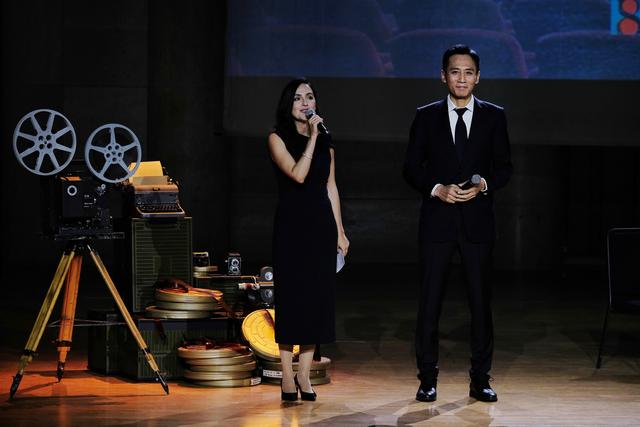
Core Points - The event "Light and Shadow for a Century: Sino-French Film Dialogue" was held on September 22 as part of the 2025 Beijing Cultural Forum, celebrating the rich history of Sino-French film collaboration through music and film [1] - The concert featured segments titled "Echoes of the Century" and "Journey of Light and Shadow," showcasing classic films and music that highlight the century-long relationship between Chinese and French cinema [1] - Notable performances included a segment from the 1905 film "The Battle of Dingjunshan," with live traditional music, emphasizing the cultural significance of early Chinese cinema [1] - The concert also highlighted the 1957 co-production "The Kite," which is recognized as the first color children's film in New China, showcasing the imaginative friendship between Chinese and French filmmakers [3] - A reunion of the creative team from "Wolf Totem" took place, reflecting on the challenges and experiences of the film's production, which took seven years to complete [5] - The concert featured music from the upcoming Chinese film "Fengshen Part One: Chaoge Fengyun," which will be screened in over a hundred theaters in France during the 2024 Spring Festival, illustrating the growing interest in Chinese cinema abroad [6] - A gift exchange ceremony at the end of the concert symbolized the enduring cultural ties between China and France, with notable figures exchanging memorabilia related to their cinematic heritage [6] Summary by Sections Event Overview - The "Light and Shadow for a Century: Sino-French Film Dialogue" concert was part of the 2025 Beijing Cultural Forum, focusing on the historical collaboration between Chinese and French cinema through music and film [1] Musical Performances - The concert included performances of classic films and music, with segments like "Echoes of the Century" and "Journey of Light and Shadow" that highlighted the century-long relationship between the two countries' film industries [1] Historical Significance - The concert featured early Chinese cinema, including a performance from "The Battle of Dingjunshan," showcasing the cultural importance of these films [1] - The 1957 film "The Kite" was highlighted as a significant co-production, marking a milestone in Sino-French cinematic collaboration [3] Creative Team Reunion - The reunion of the "Wolf Totem" creative team underscored the dedication and challenges faced during the film's production, which took seven years [5] Future Prospects - The upcoming release of "Fengshen Part One: Chaoge Fengyun" in France indicates a growing interest in Chinese films, with screenings planned during the 2024 Spring Festival [6] Cultural Exchange - The concert concluded with a gift exchange ceremony, symbolizing the strong cultural ties and mutual respect between Chinese and French cinema [6]
百年光影点亮中法情谊
Zhong Guo Qing Nian Bao· 2025-09-23 12:34
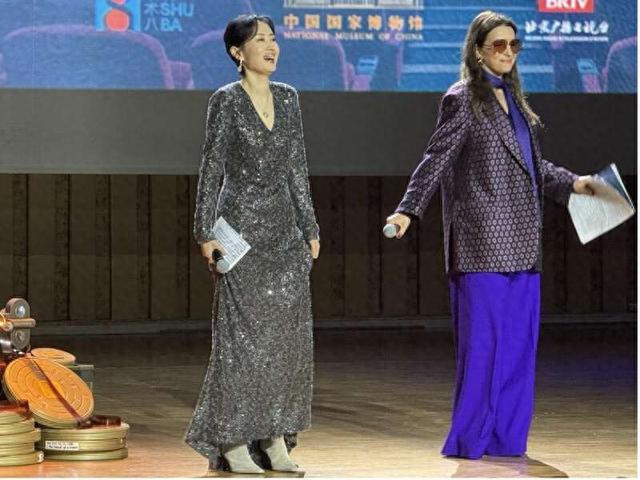
Core Points - The event "Wind Moves, Shadows Change - Sino-French Film Dialogue Series" was held on September 22, featuring a film concert that revisited significant films in Sino-French cultural exchanges [1][4] - The concert included performances by musicians using both Chinese and Western instruments, accompanied by historical footage [1] - The first recorded film materials about China were shot by French diplomat Auguste François, showcasing ordinary life scenes in various Chinese regions [1][2] Summary by Sections Event Overview - The film concert is part of the special planning for the 2025 Beijing Cultural Forum, highlighting the historical significance of Sino-French film exchanges [1] - The concert was divided into two parts: "Echoes of the Century" and "Journey of Light and Shadow" [1] Historical Significance - François used a borrowed camera from the Lumière brothers, the inventors of cinema, to create the first valuable moving images of China [2] - The concert featured classic films, including the first Sino-French co-production "The Kite," released in 1958, which marked a milestone in Chinese cinema [5] Cultural Exchange - French actor Juliette Binoche emphasized the renewed value of historical footage due to cultural exchanges between China and France [2] - Former French Prime Minister Jean-Pierre Raffarin highlighted the importance of film as a medium for emotional language and cultural dialogue [7] Audience Engagement - The concert attracted a diverse audience, including many young students from universities, indicating a growing interest in cultural heritage and film history [10] - The event concluded with a gift exchange between notable figures, symbolizing the enduring friendship between the two nations [12]
当长城遇见塞纳河:中法电影音乐会奏响2025北京文化论坛序曲
Zhong Guo Xin Wen Wang· 2025-09-23 08:48
Core Viewpoint - The "2025 Beijing Cultural Forum - Sino-French Film Dialogue Series" launched the "Light and Shadow for a Century: Sino-French Journey" film concert, celebrating the achievements of film arts in both countries and promoting cultural exchange [1][2]. Group 1: Event Overview - The film concert took place on September 22, featuring music and film as a medium to honor the cinematic accomplishments of China and France [1]. - The event is part of a series aimed at enhancing cooperation in various fields, including film, between China and France [2]. Group 2: Notable Attendees and Contributions - Key figures included Shen Haihong, former French Prime Minister Jean-Pierre Raffarin, and various cultural representatives from both countries [2]. - Shen highlighted the deep friendship between China and France through over a century of mutual reflection in film arts [2]. Group 3: Performances and Cultural Exchange - Performances included segments from classic Chinese operas and films, showcasing the blend of traditional and modern cinematic techniques [1][3]. - The concert featured music from Sino-French co-productions, emphasizing the historical and cultural ties between the two nations [7]. Group 4: Future Initiatives - The event marks the beginning of further exchanges, with plans for French filmmakers to engage with Chinese cultural institutions and students [7]. - This initiative aims to foster ongoing cultural dialogue and collaboration, enriching the future of Sino-French cultural relations [7].