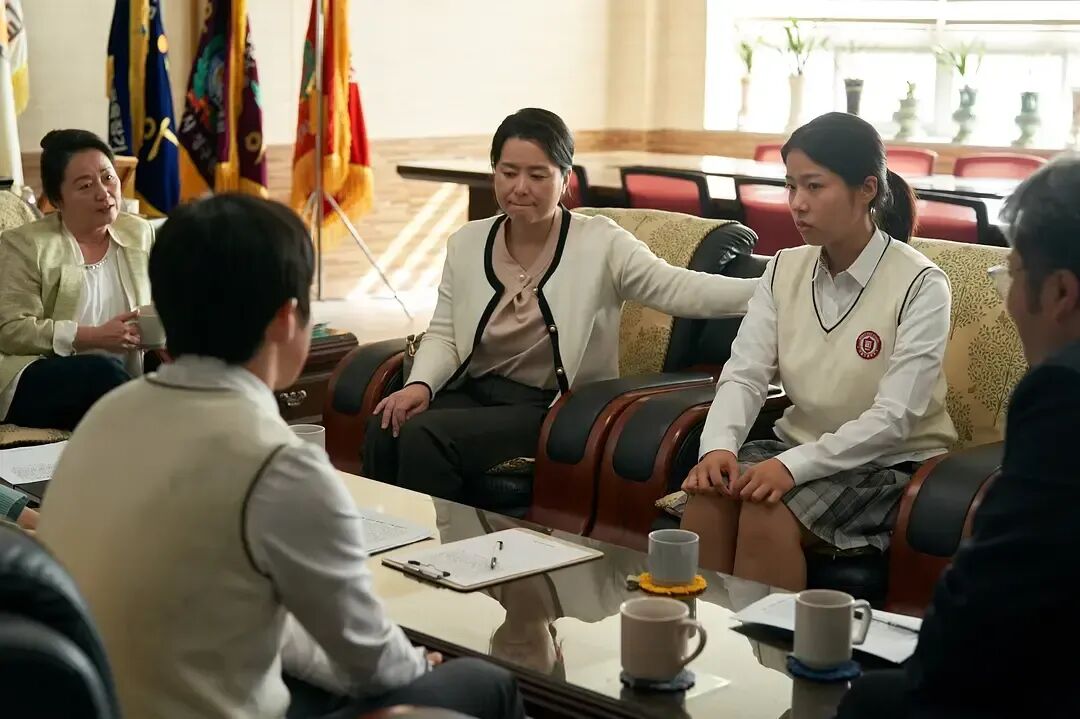
《世界的主人》

Search documents
从《熔炉》到《世界的主人》:韩国电影不再愤怒了?
3 6 Ke· 2026-01-12 04:44
Core Insights - The article discusses the success of the independent film "The Master of the World" directed by Yoon Ga-eun, which has gained attention at international film festivals and achieved profitability in a challenging domestic market for Korean cinema [1][2] - The film represents a shift in the narrative of social problem films in Korea, moving from a focus on systemic critique to individual experiences and emotions [2][7] Group 1: Film Overview - "The Master of the World" tells the story of an 18-year-old girl, Lee Jooin, who chooses not to sign a petition against sexual violence offenders, leading to a narrative about trauma, loneliness, and re-experiencing the world [1][2] - The film has been recognized for its significant contribution to Korean cinema, receiving the "Female Filmmaker Award" from a women's organization [1] Group 2: Narrative Shift in Social Problem Films - Traditional Korean social problem films like "The Crucible" and "Silenced" focus on systemic injustices and often feature adult characters as the narrators of social issues [2][3] - "The Master of the World" reverses this trend by allowing the protagonist, a young girl, to express her feelings and experiences, thus shifting the narrative power from adults to the victims themselves [5][6] Group 3: Changes in Audience Perception - The article notes a significant decline in the production of social problem films in Korea, attributed to changes in audience psychology and a shift from collective outrage to individual survival [12][13] - The pandemic has exacerbated this trend, leading to a reduction in the production of socially themed films as the market shifts towards more mainstream content [13][15] Group 4: Broader Context of Social Problem Films - The emergence of social problem films in Korea can be traced back to the 1990s, where they resonated with audiences seeking social reflection and critique [12] - However, the genre has faced challenges in recent years, with a notable decline in both production and audience engagement, as viewers become fatigued with grand narratives of social justice [15][18]

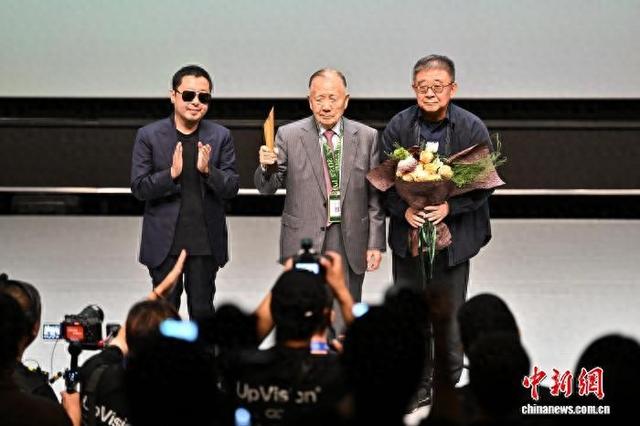
第九届平遥电影展荣誉揭晓 金东虎获“中国电影海外贡献荣誉”
Zhong Guo Xin Wen Wang· 2025-09-29 15:19
Core Points - The 9th Pingyao International Film Festival awarded Kim Dong-ho, founder of the Busan International Film Festival, the "Honor for Overseas Contribution to Chinese Cinema" [1] - Chinese films achieved significant recognition in 2025, with awards from the three major European film festivals: Best Director at the Berlin International Film Festival for "The Land of Living" by Huo Meng, Special Prize at the Cannes Film Festival for "Wild Times" by Bi Gan, and Best Actress at the Venice Film Festival for "The Sun Hanging in the Sky" by Cai Shangjun [3] - The festival also recognized several films and directors, including "Sunset Red" by Miao Zhuangzhuang, which won the newly established "Asia-Pacific Film Promotion Award - Best Debut" [3][5] Awards and Honors - Kim Dong-ho received the "Honor for Overseas Contribution to Chinese Cinema" at the festival [1] - Huo Meng, Bi Gan, and Cai Shangjun were awarded "Annual Filmmaker Honors" for their contributions to cinema [3] - "Deep Silence," directed by Taiwanese filmmaker Shen Keshang, won the "Fei Mu Honor - Best Film" [5] Notable Films and Directors - "The Land of Living" by Huo Meng won Best Director at the Berlin International Film Festival [3] - "Wild Times" by Bi Gan received a Special Prize at the Cannes International Film Festival [3] - "The Sun Hanging in the Sky" by Cai Shangjun won Best Actress at the Venice International Film Festival [3] - "Sunset Red" by Miao Zhuangzhuang won the "Asia-Pacific Film Promotion Award - Best Debut" [3][5] - "The World's Master" by Korean director Yoon Ga-eun received the "Roberto Rossellini Honor - Jury Honor" [5]