《人总是要死的》

Search documents
他第一个将《小王子》带到了中国
Xin Lang Cai Jing· 2025-12-24 18:49
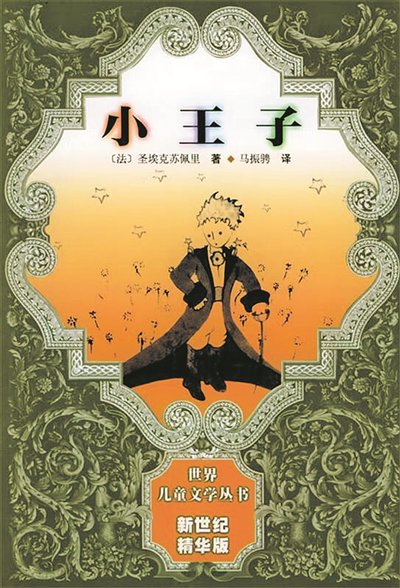
Core Viewpoint - The article highlights the significant contributions of Ma Zhencheng, a renowned French literature translator, particularly in bringing "The Little Prince" to China and his extensive work in translating various French literary masterpieces [6][7][10]. Group 1: Contributions to Literature - Ma Zhencheng was the first translator to introduce "The Little Prince" to Chinese readers, with the standalone publication occurring in 2000, leading to multiple reprints and editions [6][10]. - He also independently translated "Essays of Montaigne," which earned him the inaugural Fu Lei Translation Publishing Award in 2009 at the age of 75 [7][14]. - His translation of "The Little Prince" and other works by Saint-Exupéry has significantly impacted the appreciation of French literature in China [7][10]. Group 2: Personal Background and Career - Born in Shanghai, Ma Zhencheng studied French at Nanjing University and began his teaching career at Beijing Light Industry College before returning to Shanghai in 1978, marking a turning point in his translation career [8][9]. - His first published translation was "The Earth and Man" in 1981, which laid the foundation for his future works, including "The Little Prince" [9][10]. - Ma Zhencheng's dedication to translating French literature was evident in his meticulous approach, often taking years to complete significant works [14][15]. Group 3: Legacy and Impact - Ma Zhencheng's translations have created a lasting legacy, with his works being celebrated for their fidelity and literary quality, influencing generations of readers and translators [7][14]. - His home became a cultural hub in Shanghai, where he hosted gatherings that fostered discussions among writers, editors, and artists, reflecting his commitment to cultural exchange [16][19]. - The article concludes with reflections on his passing, emphasizing the profound loss felt by the literary community and the impact of his work on Chinese literature [19][20].