
《双马图轴》

Search documents
关于南京博物院《江南春》图卷等相关受赠文物 管理问题调查处理情况通报
Xin Lang Cai Jing· 2026-02-09 22:25
Core Viewpoint - The investigation into the management of donated cultural relics at the Nanjing Museum has revealed serious violations of regulations, leading to the loss of valuable artworks and necessitating significant reforms in the museum's management practices [1][7][8]. Group 1: Investigation Findings - The investigation involved extensive efforts, including visits to 12 provinces, interviews with over 1,100 individuals, and the review of more than 65,000 documents [1]. - Five specific artworks, including the "Jiangnan Spring" scroll, were traced back to their origins, revealing a history of improper transfers and sales [1][5]. - The "Jiangnan Spring" scroll was originally donated in 1959 but was later sold without proper authorization, leading to its eventual withdrawal from auction due to a report by the donor's descendant [2][5]. Group 2: Violations and Accountability - Key individuals, including the former deputy director of the museum, were found to have violated regulations by approving unauthorized transfers and sales of artworks [6]. - A total of 29 individuals were identified as responsible for the violations, with 24 facing disciplinary actions, while 5 deceased individuals were not subject to penalties [7]. - The investigation highlighted systemic issues within the museum, including a lack of proper management and oversight of donated items, resulting in significant public trust issues [7][8]. Group 3: Recommendations and Reforms - The provincial government has mandated the museum to implement comprehensive reforms, including improving internal management and establishing a social supervision committee for artifact management [8]. - There is a call for enhanced training and supervision of personnel involved in cultural relic management across all state-owned museums and libraries [8].
徐湖平等24人被查处 《江南春》已归存南博
Xin Lang Cai Jing· 2026-02-09 17:12
Core Viewpoint - The investigation into the management of donated cultural relics at the Nanjing Museum has revealed serious violations of regulations, leading to the illegal sale and loss of valuable artworks, including the Ming Dynasty painting "Jiangnan Spring" [2][7]. Group 1: Investigation Findings - A comprehensive investigation was conducted by a team from the Jiangsu Provincial Government, which included interviews with over 1,100 individuals and the review of more than 65,000 documents [2]. - The investigation traced the whereabouts of five donated artworks, including "Jiangnan Spring," which was originally donated in 1959 [2]. - The investigation identified that the painting "Jiangnan Spring" was improperly transferred and sold by the museum, leading to its eventual auction and subsequent withdrawal due to a report from the donor's descendants [2][3]. Group 2: Details of Artwork Transactions - "Jiangnan Spring" was sold for 2,250 yuan after a price manipulation by a museum employee [3]. - The painting "Imitation of Beiyuan Landscape" was sold for 14,000 yuan in March 1999 [4]. - "Double Horse Painting" was sold for 13,550 yuan in September 2000 [5]. - "Colorful Landscape" was found in the museum's collection and had not been sold [6]. - "Pine Wind and Whispering Temple" was sold for 16,000 yuan in March 1995, and its current status is still under investigation [6]. Group 3: Violations and Accountability - The investigation revealed that the Nanjing Museum and the provincial cultural department violated regulations by approving the illegal transfer and sale of artworks, resulting in significant social repercussions [7]. - The former deputy director of the museum, Xu Huping, is implicated in serious misconduct, including failing to follow proper procedures for the management of donated artworks [7][8]. - A total of 29 individuals from various departments are facing disciplinary actions, with 24 still under investigation, while 5 have passed away [8].

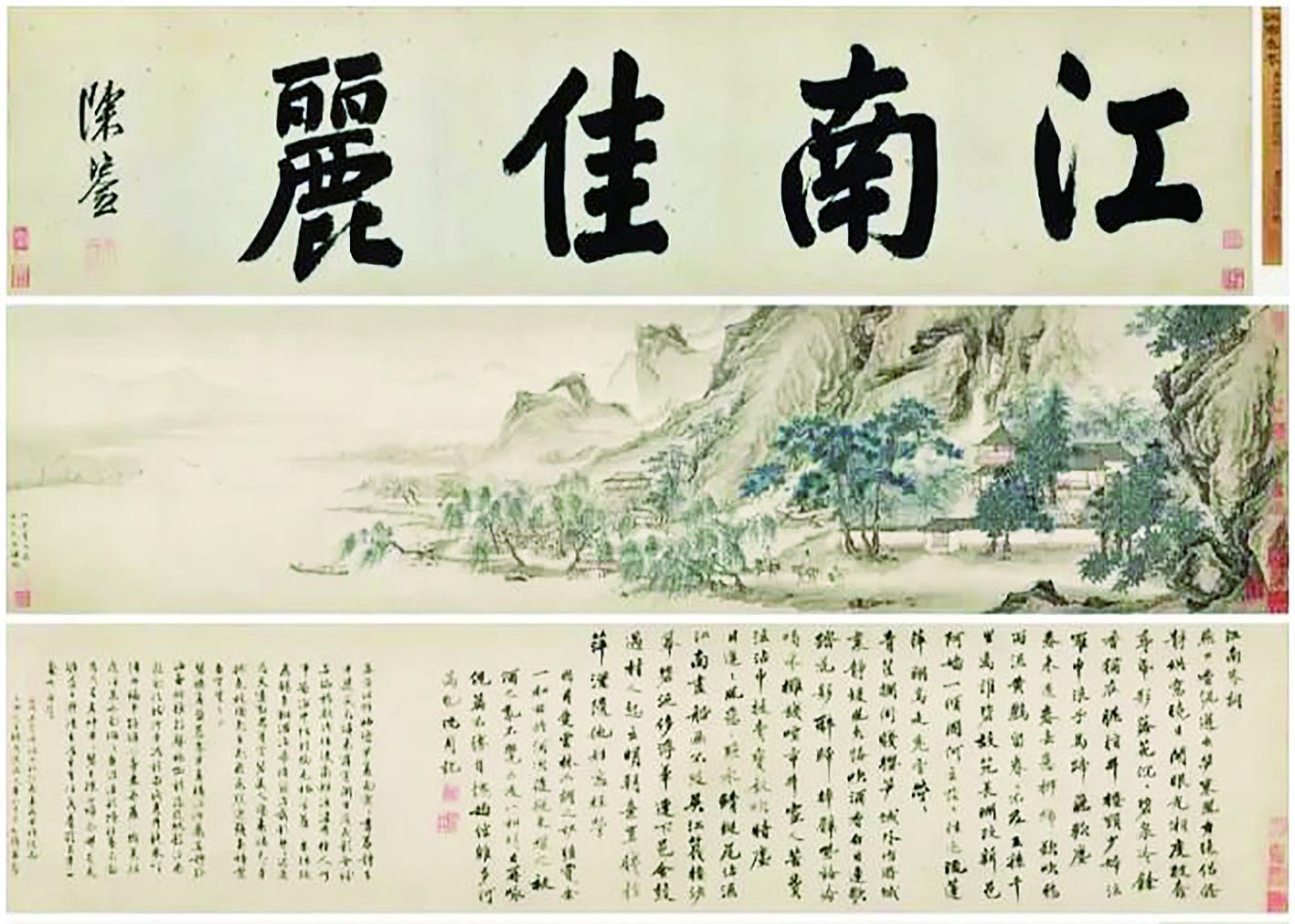
“南博《江南春》图卷现身拍卖市场”事件调查处理情况通报发布
Xin Hua She· 2026-02-09 16:31
Core Viewpoint - The investigation into the management of donated cultural relics at Nanjing Museum has revealed serious violations of regulations, leading to the loss of valuable artworks and necessitating strict disciplinary actions against involved personnel [1][2]. Group 1: Investigation Findings - The investigation involved visits to 12 provinces and municipalities, interviews with over 1,100 individuals, and the review of more than 65,000 documents, uncovering significant mismanagement in the handling of the "Jiangnan Spring" painting and other artworks [1]. - Key artworks, including "Jiangnan Spring," "Imitation of Beiyuan Landscape," and "Double Horse Painting," have been recovered, while efforts continue to trace the whereabouts of "Pine Wind and Whispering Temple" [1]. Group 2: Personnel Accountability - Xu Huping, during his tenure as the executive vice president of Nanjing Museum, failed to follow proper procedures for the appraisal and review of artworks, leading to unauthorized sales and significant mismanagement [2]. - Zhang, an employee in the cultural creation department, exploited his position to illegally buy and sell artworks, resulting in serious violations of duty [2]. Group 3: Institutional Response - The Jiangsu Provincial Government has mandated Nanjing Museum to reflect on the lessons learned and implement corrective measures, while also expanding oversight to include other state-owned cultural institutions [3]. - The provincial cultural and tourism department is tasked with enhancing the management and supervision of cultural relics to prevent future incidents [3].
南京博物院事件最新通报
证券时报· 2026-02-09 15:21
Core Viewpoint - The investigation into the management issues of donated cultural relics at the Nanjing Museum has revealed serious violations of regulations, leading to the loss of valuable artworks and necessitating strict accountability measures [1][6]. Group 1: Investigation Findings - The investigation involved extensive efforts, including visits to 12 provinces, interviews with over 1,100 individuals, and the review of more than 65,000 documents [1]. - The investigation specifically traced the whereabouts of five donated artworks, including the "Jiangnan Spring" scroll, which was improperly transferred and sold [2][3]. Group 2: Details of Artwork Mismanagement - The "Jiangnan Spring" scroll was originally donated in 1959 but was later sold without proper authorization due to a violation of regulations by museum officials [2][3]. - Other artworks, such as "Imitation of Beiyuan Landscape Axis" and "Double Horse Painting Axis," also experienced unauthorized sales, with some being traced back to the museum's collection [4][5]. Group 3: Violations and Accountability - Key individuals, including Xu Huping, the former executive vice president of the museum, were found to have violated regulations by approving unauthorized transfers and sales of artworks [6][7]. - A total of 29 individuals were implicated in the violations, with 24 facing disciplinary actions, while the remaining five had passed away [7][8]. Group 4: Future Measures - The provincial government has mandated the museum to improve its internal management and enhance the regulations surrounding the management of donated cultural relics [8]. - A social supervision committee for collection management will be established to ensure transparency and accountability in the future [8].
关于南京博物院《江南春》图卷等相关受赠文物管理问题调查处理情况通报
券商中国· 2026-02-09 14:43
Core Viewpoint - The investigation into the Nanjing Museum of Art (南博) revealed serious violations in the management of donated cultural relics, particularly concerning the misappropriation and unauthorized sale of artworks, leading to significant public outcry and the need for institutional reform [1][6]. Group 1: Investigation Findings - The investigation involved extensive efforts, including visits to 12 provinces, interviews with over 1,100 individuals, and the review of more than 65,000 documents [1]. - Five specific artworks, including the "江南春" scroll, were traced back to their origins, revealing a complex history of unauthorized transfers and sales [2][5]. - The "江南春" scroll was originally donated in 1959 and was later sold without proper authorization, leading to its eventual withdrawal from auction after a report by the donor's descendants [2][3]. Group 2: Violations and Accountability - Key individuals, including the former deputy director of the museum, were found to have violated regulations by approving the unauthorized transfer and sale of artworks, resulting in significant losses [6][7]. - A total of 29 individuals were implicated in the violations, with 24 facing disciplinary actions, while 5 deceased individuals were not subject to penalties [7]. - The investigation highlighted systemic issues within the museum's management, including a lack of oversight and adherence to cultural relic management regulations [7][8]. Group 3: Institutional Reforms - The provincial government has mandated the museum to implement comprehensive reforms to improve internal management and strengthen the protection of cultural relics [8]. - New measures will include the establishment of a social supervision committee for collection management and enhanced training for staff to prevent future violations [8]. - The government aims to extend oversight to other state-owned cultural institutions, ensuring a broader approach to safeguarding cultural heritage [8].
江苏通报南京博物院文物管理问题调查处理情况
Jing Ji Wang· 2026-02-09 14:02
Core Viewpoint - The investigation into the management of donated cultural relics at the Nanjing Museum, particularly the "Jiangnan Spring" scroll and four other paintings, revealed significant violations of regulations and mismanagement, leading to the loss of cultural assets and necessitating serious disciplinary actions against involved personnel [1][6][7]. Group 1: Investigation Findings - The investigation involved extensive efforts, including visits to 12 provinces, interviews with over 1,100 individuals, and the review of more than 65,000 documents [1]. - The "Jiangnan Spring" scroll was originally donated in 1959, but was improperly transferred and sold by the museum in the 1990s without proper authorization [2][3]. - The scroll was later found to have been sold multiple times, with its most recent auction being halted due to a report from the donor's descendant [3][5]. Group 2: Violations and Accountability - Key individuals, including the former deputy director of the museum, were found to have violated regulations by approving unauthorized transfers and sales of cultural relics [6][7]. - A total of 29 individuals were identified as responsible for the mismanagement, with 24 facing disciplinary actions, while 5 deceased individuals were not processed [7][8]. - The investigation highlighted systemic issues within the museum's management practices, particularly regarding the handling of donated items, leading to a loss of public trust [7][8]. Group 3: Remedial Actions - The provincial government has mandated the museum to implement comprehensive reforms in its management practices, including the establishment of a social supervision committee for collection management [8]. - There will be a broader initiative to enhance the safety management of cultural relics across state-owned museums and libraries in the province [8].
官方通报南京博物院事件
财联社· 2026-02-09 13:24
Core Viewpoint - The investigation into the management of donated cultural relics at the Nanjing Museum has revealed serious violations of regulations, leading to the loss of valuable artworks and significant social impact [1][6][8]. Group 1: Investigation Findings - The investigation involved extensive efforts, including visits to 12 provinces, interviews with over 1,100 individuals, and the review of more than 65,000 documents [1]. - Five specific artworks, including the "Jiangnan Spring" scroll, were traced back to their origins, revealing a history of improper transfers and sales [2][5]. Group 2: Artwork Transfer and Sales - The "Jiangnan Spring" scroll was improperly transferred to a cultural store for sale in the 1990s, with a significant markup and fraudulent pricing practices involved [3]. - Other artworks, such as "Imitation of Beiyuan Landscape" and "Double Horse Scroll," also experienced unauthorized sales and transfers, with some eventually returning to the museum [4][5]. Group 3: Violations and Accountability - Key figures, including the former deputy director of the museum, were found to have violated regulations by approving unauthorized transfers and sales of artworks [7][8]. - A total of 29 individuals, including museum staff and cultural department officials, are facing disciplinary actions, with some cases being referred to judicial authorities [8][9]. Group 4: Institutional Reforms - The Jiangsu Provincial Government has mandated the museum to implement reforms, improve internal management, and enhance the oversight of cultural relics [9]. - A new social supervision committee for artifact management will be established to ensure compliance and accountability in the handling of donated items [9].
官方通报南京博物馆事件
21世纪经济报道· 2026-02-09 13:18
Core Viewpoint - The investigation into the Nanjing Museum of Art (南博) revealed serious violations in the management of donated cultural relics, particularly concerning the misappropriation and unauthorized sale of artworks, leading to significant public outcry and the need for systemic reforms in cultural heritage management [1][6][7]. Group 1: Investigation Findings - The investigation involved extensive efforts, including visits to 12 provinces, interviews with over 1,100 individuals, and the review of more than 65,000 documents, to trace the whereabouts of five donated artworks, including the "江南春" scroll [1][2]. - The "江南春" scroll was originally donated in 1959 but was improperly transferred and sold by the museum, leading to its eventual auction and subsequent withdrawal due to a complaint from the donor's descendants [2][3]. - Other artworks, such as "仿北苑山水轴" and "双马图轴," were also traced back to the museum, with some having been sold and later recovered, while others remain under investigation [4][5]. Group 2: Violations and Accountability - Key individuals, including the former deputy director of the museum, were found to have violated regulations by approving the unauthorized transfer and sale of artworks, leading to significant losses and legal repercussions [6][7]. - A total of 29 individuals were implicated in the violations, with 24 facing disciplinary actions, while the investigation highlighted systemic failures in oversight and management within the museum and related departments [7][8]. - The provincial government has mandated reforms to improve internal management, enhance the protection of cultural relics, and establish a social oversight committee to ensure compliance with regulations [8][9].
官方通报南京博物院《江南春》等藏品事件
第一财经· 2026-02-09 13:17
Core Viewpoint - The investigation into the Nanjing Museum of Art (南博) revealed serious violations in the management of donated cultural relics, particularly concerning the misappropriation and unauthorized sale of artworks, leading to significant public outcry and the need for institutional reform [1][6][7]. Group 1: Investigation Findings - The investigation involved a comprehensive review, including visits to 12 provinces, interviews with over 1,100 individuals, and examination of more than 65,000 documents [1]. - Five specific artworks, including the "江南春" scroll, were traced back to their origins, revealing a history of unauthorized transfers and sales [2][3]. - The "江南春" scroll was originally donated in 1959 and was later sold without proper authorization, leading to its eventual withdrawal from auction after a report by the donor's descendants [2][3]. Group 2: Violations and Accountability - Key individuals, including the former deputy director of the museum, were found to have violated regulations by approving the unauthorized transfer and sale of artworks, resulting in significant losses [6][7]. - A total of 29 individuals were implicated in the violations, with 24 facing disciplinary actions, while 5 deceased individuals were not subject to further investigation [7]. - The investigation highlighted systemic issues within the museum's management, including a lack of oversight and adherence to cultural relic management regulations [6][8]. Group 3: Institutional Reforms - The Jiangsu Provincial Government has mandated the museum to implement reforms, including strengthening internal management and improving the cultural relic management system [8][9]. - A new social supervision committee for collection management will be established to enhance transparency and accountability [9]. - The provincial authorities will also conduct a broader review of cultural relic management across state-owned museums and libraries to prevent future violations [9].
江苏省委省政府调查组发布关于南京博物院《江南春》图卷等相关受赠文物管理问题调查处理情况通报
Xin Lang Cai Jing· 2026-02-09 13:06
Core Viewpoint - The investigation into the Nanjing Museum of Art (南博) revealed serious violations in the management of donated cultural relics, particularly concerning the misappropriation and unauthorized sale of artworks donated by Pang Zenghe, leading to significant public outcry and the need for systemic reforms in cultural heritage management [1][6][17]. Group 1: Investigation Findings - The investigation involved extensive efforts, including visits to 12 provinces, interviews with over 1,100 individuals, and the review of more than 65,000 documents [1][10]. - Five specific artworks, including the "Jiangnan Spring" scroll, were traced, revealing a history of unauthorized transfers and sales [2][4][14]. - The "Jiangnan Spring" scroll was originally donated in 1959, but was improperly sold in the 1990s due to violations by museum officials [2][11]. Group 2: Violations and Accountability - Key individuals, including Xu Huping, the former executive vice president of the museum, were found to have violated regulations by approving unauthorized transfers and sales of artworks [6][15][16]. - A total of 29 individuals were implicated in the violations, with 24 facing disciplinary actions, while 5 deceased individuals were not subject to penalties [7][16][17]. - The investigation highlighted systemic issues within the museum's management, including a lack of oversight and adherence to cultural heritage laws [7][17]. Group 3: Recommendations and Reforms - The provincial government mandated the museum to implement comprehensive reforms in its management practices, including the establishment of a social supervision committee for artifact management [8][17]. - There is a call for enhanced training and supervision of personnel involved in cultural heritage management to prevent future violations [8][17]. - The investigation's findings are expected to lead to broader reforms across state-owned museums and cultural institutions in the province [8][17].