
《江南春》图卷

Search documents
“江南春”这个“IP”是如何成为“爆款”的
Qi Lu Wan Bao· 2026-02-13 17:18
Core Insights - The recent auction of the Ming Dynasty painting "Jiangnan Spring" by Qiu Ying has led to an official statement and apology from the Nanjing Museum, providing clarity on the painting's history and the efforts made to trace its past [2] - The investigation into the painting's provenance involved significant resources and aimed to enhance public awareness of cultural heritage protection [2] - The story of "Jiangnan Spring" reflects the rich cultural and artistic legacy of Jiangnan, highlighting the connections between historical figures and their contributions to literature and art [3][4] Group 1: Historical Context - Jiangnan has been a cultural hub, inspiring poets and artists from ancient times, with references in works from Han to Tang dynasties [3] - The "Jiangnan Spring Tide" cultural movement involved a collective effort by over a hundred literati during the Ming and Qing dynasties, showcasing a unique form of artistic collaboration [3][4] - The movement was initiated by the poet Ni Zan, whose works inspired subsequent generations of artists and poets [4][6] Group 2: Key Figures - Ni Zan, known for his aloof personality and artistic integrity, played a pivotal role in the "Jiangnan Spring" narrative, influencing many contemporaries [4][6] - Xu Guoyong, a collector and cultural promoter, organized events to celebrate Ni Zan's poetry, effectively marketing the "Jiangnan Spring" concept [6] - Shen Zhou, a leading figure in the Jiangnan literary scene, contributed significantly to the movement, producing numerous works that resonated with themes of loss and beauty [8][9] Group 3: Cultural Impact - The "Jiangnan Spring" phenomenon evolved into a collective cultural memory, allowing literati to express their identities and experiences through art and poetry [8][9] - The legacy of "Jiangnan Spring" continues to inspire modern cultural initiatives, reflecting the enduring appeal of its themes and artistic expressions [9] - The collaborative nature of the movement illustrates the interconnectedness of art, poetry, and social interaction in Jiangnan's cultural history [6][8]

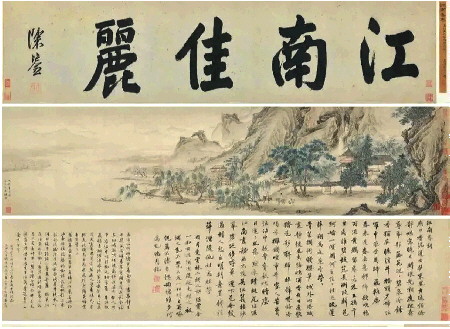
关于南京博物院《江南春》图卷等相关受赠文物 管理问题调查处理情况通报
Xin Lang Cai Jing· 2026-02-09 22:25
Core Viewpoint - The investigation into the management of donated cultural relics at the Nanjing Museum has revealed serious violations of regulations, leading to the loss of valuable artworks and necessitating significant reforms in the museum's management practices [1][7][8]. Group 1: Investigation Findings - The investigation involved extensive efforts, including visits to 12 provinces, interviews with over 1,100 individuals, and the review of more than 65,000 documents [1]. - Five specific artworks, including the "Jiangnan Spring" scroll, were traced back to their origins, revealing a history of improper transfers and sales [1][5]. - The "Jiangnan Spring" scroll was originally donated in 1959 but was later sold without proper authorization, leading to its eventual withdrawal from auction due to a report by the donor's descendant [2][5]. Group 2: Violations and Accountability - Key individuals, including the former deputy director of the museum, were found to have violated regulations by approving unauthorized transfers and sales of artworks [6]. - A total of 29 individuals were identified as responsible for the violations, with 24 facing disciplinary actions, while 5 deceased individuals were not subject to penalties [7]. - The investigation highlighted systemic issues within the museum, including a lack of proper management and oversight of donated items, resulting in significant public trust issues [7][8]. Group 3: Recommendations and Reforms - The provincial government has mandated the museum to implement comprehensive reforms, including improving internal management and establishing a social supervision committee for artifact management [8]. - There is a call for enhanced training and supervision of personnel involved in cultural relic management across all state-owned museums and libraries [8].
徐湖平等24人被查处 《江南春》已归存南博
Xin Lang Cai Jing· 2026-02-09 17:12
Core Viewpoint - The investigation into the management of donated cultural relics at the Nanjing Museum has revealed serious violations of regulations, leading to the illegal sale and loss of valuable artworks, including the Ming Dynasty painting "Jiangnan Spring" [2][7]. Group 1: Investigation Findings - A comprehensive investigation was conducted by a team from the Jiangsu Provincial Government, which included interviews with over 1,100 individuals and the review of more than 65,000 documents [2]. - The investigation traced the whereabouts of five donated artworks, including "Jiangnan Spring," which was originally donated in 1959 [2]. - The investigation identified that the painting "Jiangnan Spring" was improperly transferred and sold by the museum, leading to its eventual auction and subsequent withdrawal due to a report from the donor's descendants [2][3]. Group 2: Details of Artwork Transactions - "Jiangnan Spring" was sold for 2,250 yuan after a price manipulation by a museum employee [3]. - The painting "Imitation of Beiyuan Landscape" was sold for 14,000 yuan in March 1999 [4]. - "Double Horse Painting" was sold for 13,550 yuan in September 2000 [5]. - "Colorful Landscape" was found in the museum's collection and had not been sold [6]. - "Pine Wind and Whispering Temple" was sold for 16,000 yuan in March 1995, and its current status is still under investigation [6]. Group 3: Violations and Accountability - The investigation revealed that the Nanjing Museum and the provincial cultural department violated regulations by approving the illegal transfer and sale of artworks, resulting in significant social repercussions [7]. - The former deputy director of the museum, Xu Huping, is implicated in serious misconduct, including failing to follow proper procedures for the management of donated artworks [7][8]. - A total of 29 individuals from various departments are facing disciplinary actions, with 24 still under investigation, while 5 have passed away [8].
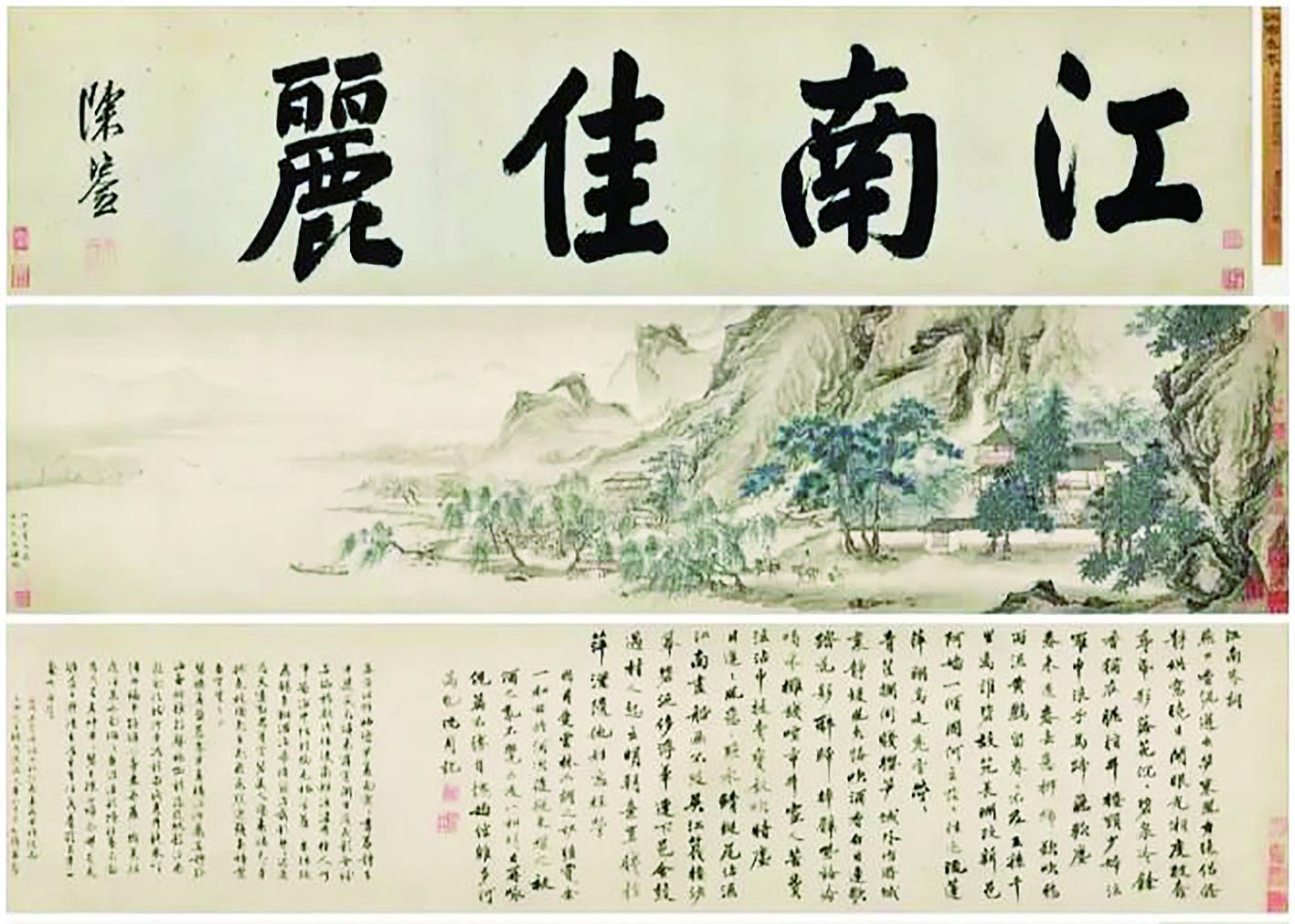
“南博《江南春》图卷现身拍卖市场”事件调查处理情况通报发布
Xin Hua She· 2026-02-09 16:31
Core Viewpoint - The investigation into the management of donated cultural relics at Nanjing Museum has revealed serious violations of regulations, leading to the loss of valuable artworks and necessitating strict disciplinary actions against involved personnel [1][2]. Group 1: Investigation Findings - The investigation involved visits to 12 provinces and municipalities, interviews with over 1,100 individuals, and the review of more than 65,000 documents, uncovering significant mismanagement in the handling of the "Jiangnan Spring" painting and other artworks [1]. - Key artworks, including "Jiangnan Spring," "Imitation of Beiyuan Landscape," and "Double Horse Painting," have been recovered, while efforts continue to trace the whereabouts of "Pine Wind and Whispering Temple" [1]. Group 2: Personnel Accountability - Xu Huping, during his tenure as the executive vice president of Nanjing Museum, failed to follow proper procedures for the appraisal and review of artworks, leading to unauthorized sales and significant mismanagement [2]. - Zhang, an employee in the cultural creation department, exploited his position to illegally buy and sell artworks, resulting in serious violations of duty [2]. Group 3: Institutional Response - The Jiangsu Provincial Government has mandated Nanjing Museum to reflect on the lessons learned and implement corrective measures, while also expanding oversight to include other state-owned cultural institutions [3]. - The provincial cultural and tourism department is tasked with enhancing the management and supervision of cultural relics to prevent future incidents [3].
南京博物院事件最新通报
证券时报· 2026-02-09 15:21
Core Viewpoint - The investigation into the management issues of donated cultural relics at the Nanjing Museum has revealed serious violations of regulations, leading to the loss of valuable artworks and necessitating strict accountability measures [1][6]. Group 1: Investigation Findings - The investigation involved extensive efforts, including visits to 12 provinces, interviews with over 1,100 individuals, and the review of more than 65,000 documents [1]. - The investigation specifically traced the whereabouts of five donated artworks, including the "Jiangnan Spring" scroll, which was improperly transferred and sold [2][3]. Group 2: Details of Artwork Mismanagement - The "Jiangnan Spring" scroll was originally donated in 1959 but was later sold without proper authorization due to a violation of regulations by museum officials [2][3]. - Other artworks, such as "Imitation of Beiyuan Landscape Axis" and "Double Horse Painting Axis," also experienced unauthorized sales, with some being traced back to the museum's collection [4][5]. Group 3: Violations and Accountability - Key individuals, including Xu Huping, the former executive vice president of the museum, were found to have violated regulations by approving unauthorized transfers and sales of artworks [6][7]. - A total of 29 individuals were implicated in the violations, with 24 facing disciplinary actions, while the remaining five had passed away [7][8]. Group 4: Future Measures - The provincial government has mandated the museum to improve its internal management and enhance the regulations surrounding the management of donated cultural relics [8]. - A social supervision committee for collection management will be established to ensure transparency and accountability in the future [8].
关于南京博物院《江南春》图卷等相关受赠文物管理问题调查处理情况通报
券商中国· 2026-02-09 14:43
Core Viewpoint - The investigation into the Nanjing Museum of Art (南博) revealed serious violations in the management of donated cultural relics, particularly concerning the misappropriation and unauthorized sale of artworks, leading to significant public outcry and the need for institutional reform [1][6]. Group 1: Investigation Findings - The investigation involved extensive efforts, including visits to 12 provinces, interviews with over 1,100 individuals, and the review of more than 65,000 documents [1]. - Five specific artworks, including the "江南春" scroll, were traced back to their origins, revealing a complex history of unauthorized transfers and sales [2][5]. - The "江南春" scroll was originally donated in 1959 and was later sold without proper authorization, leading to its eventual withdrawal from auction after a report by the donor's descendants [2][3]. Group 2: Violations and Accountability - Key individuals, including the former deputy director of the museum, were found to have violated regulations by approving the unauthorized transfer and sale of artworks, resulting in significant losses [6][7]. - A total of 29 individuals were implicated in the violations, with 24 facing disciplinary actions, while 5 deceased individuals were not subject to penalties [7]. - The investigation highlighted systemic issues within the museum's management, including a lack of oversight and adherence to cultural relic management regulations [7][8]. Group 3: Institutional Reforms - The provincial government has mandated the museum to implement comprehensive reforms to improve internal management and strengthen the protection of cultural relics [8]. - New measures will include the establishment of a social supervision committee for collection management and enhanced training for staff to prevent future violations [8]. - The government aims to extend oversight to other state-owned cultural institutions, ensuring a broader approach to safeguarding cultural heritage [8].
南京博物院就《江南春》图卷一事发布致歉信
Xin Lang Cai Jing· 2026-02-09 14:07
Core Viewpoint - The Nanjing Museum has issued an apology for mishandling the donation of the "Jiangnan Spring" painting and for failing to respect the donor and their family, leading to a significant loss of public trust and damage to the museum's reputation [1][2] Group 1: Apology and Acknowledgment of Issues - The museum acknowledges its failure to properly manage the donation process and the subsequent disrespect shown to the donor and their family [1] - The institution admits to violating national regulations regarding cultural relics, including improper handling and transfer of the donated artwork [1] - The museum expresses deep regret for the emotional harm caused to the donor's family and the broader public [1] Group 2: Commitment to Improvement - The museum commits to accepting criticism and learning from the incident, promising to address the highlighted issues through internal management reforms [2] - Plans include the establishment of a new donation management policy and a supervisory committee to enhance transparency and respect for donors' rights [2] - The museum aims to restore its image and regain public trust through decisive actions and a renewed commitment to cultural relic safety [2]
南博称对捐赠者未给予应有尊重
Xin Lang Cai Jing· 2026-02-09 14:05
Core Viewpoint - The Nanjing Museum has issued an apology for mishandling the donation of the painting "Jiangnan Spring" by Mr. Pang Zenghe, acknowledging a breach of trust and respect towards the donor and his family [1] Group 1: Apology and Acknowledgment - The museum expressed deep regret for failing to respond timely to the requests of Mr. Pang Zenghe's family, which caused emotional harm [1] - The institution recognized its shortcomings in management and adherence to policies, leading to a lack of respect for donors and their families [1] Group 2: Violations and Consequences - The museum admitted to violating national regulations regarding the handling of cultural relics, including improper removal of items from its collection and irresponsible application for the transfer of artifacts [1] - The actions of the former provincial cultural relics store, which sold items without authorization, resulted in significant loss of cultural artifacts and severely damaged the museum's public credibility [1]
南京博物院道歉:辜负了庞增和先生的信任与托付
Xin Lang Cai Jing· 2026-02-09 14:05
Core Viewpoint - The Nanjing Museum has publicly apologized for mismanagement of donated artifacts, specifically the "Jiangnan Spring" scroll, acknowledging failures in respecting donor trust and addressing family concerns [1][2] Group 1: Incident Overview - The museum admitted to improper handling of the donation from Mr. Pang Zenghe, which included the "Jiangnan Spring" scroll, leading to a breach of trust [1] - Inappropriate comments made by individual staff members harmed the reputation of Mr. Pang and his family [1] - The museum's failure to respond promptly to the family's requests caused emotional distress [1] Group 2: Management Failures - The incident highlighted systemic issues within the museum, including a lack of proper management and execution of policies regarding artifact donations [1] - The museum violated national regulations by improperly reallocating and managing artifacts, leading to significant loss of public trust [1] - The actions of the former provincial cultural relics store, which sold artifacts without authorization, contributed to the loss of cultural heritage [1] Group 3: Future Actions - The museum has committed to accepting criticism and will implement reforms based on the findings of the national cultural relics bureau and provincial government investigations [2] - Plans include strengthening internal management, improving artifact management systems, and establishing a social supervision committee for donations [2] - The museum aims to enhance transparency and staff professionalism to restore its image and regain public trust [2]
南京博物院致歉
Xin Lang Cai Jing· 2026-02-09 14:05
Core Viewpoint - Nanjing Museum issued an apology regarding the mismanagement of donated artifacts, particularly the "Jiangnan Spring" scroll, acknowledging failures in trust and respect towards the donor and their family [1][2]. Group 1: Apology and Acknowledgment of Issues - The museum admitted to improper handling of the donated "Jiangnan Spring" scroll and related artworks, which betrayed the trust of the donor, Mr. Pang Zenghe [1]. - The museum recognized that inappropriate comments made by individual staff members harmed the reputation of Mr. Pang and his family, and that their concerns were not addressed in a timely manner [1]. - The incident highlighted systemic failures within the museum, including poor management and lack of adherence to regulations regarding the handling of donated artifacts [1]. Group 2: Commitment to Improvement - The museum committed to accepting criticism from the public and vowed to reflect deeply on the issues raised by the investigation teams [2]. - Plans for internal management enhancement include improving the collection management system, particularly in areas such as classification, record-keeping, and artifact protection [2]. - The museum announced the establishment of a social supervision committee for collection management to ensure transparency and respect for the rights of donors and their families [2].