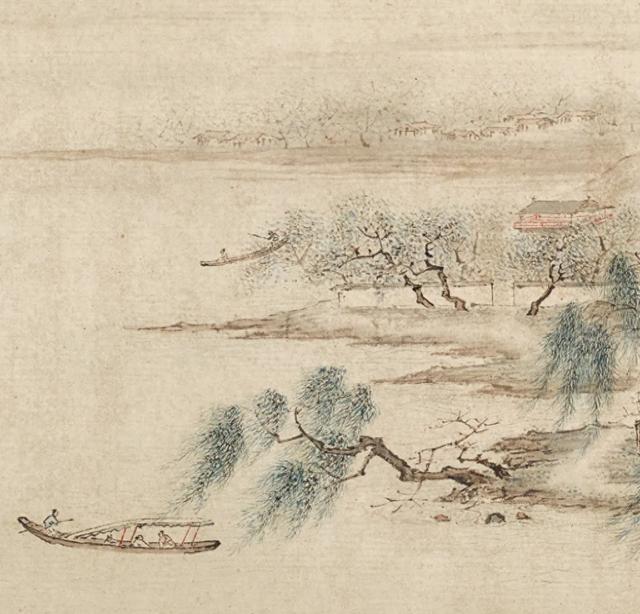
文物收藏与拍卖

Search documents
关于南京博物院《江南春》图卷等相关受赠文物管理问题调查处理情况通报
券商中国· 2026-02-09 14:43
Core Viewpoint - The investigation into the Nanjing Museum of Art (南博) revealed serious violations in the management of donated cultural relics, particularly concerning the misappropriation and unauthorized sale of artworks, leading to significant public outcry and the need for institutional reform [1][6]. Group 1: Investigation Findings - The investigation involved extensive efforts, including visits to 12 provinces, interviews with over 1,100 individuals, and the review of more than 65,000 documents [1]. - Five specific artworks, including the "江南春" scroll, were traced back to their origins, revealing a complex history of unauthorized transfers and sales [2][5]. - The "江南春" scroll was originally donated in 1959 and was later sold without proper authorization, leading to its eventual withdrawal from auction after a report by the donor's descendants [2][3]. Group 2: Violations and Accountability - Key individuals, including the former deputy director of the museum, were found to have violated regulations by approving the unauthorized transfer and sale of artworks, resulting in significant losses [6][7]. - A total of 29 individuals were implicated in the violations, with 24 facing disciplinary actions, while 5 deceased individuals were not subject to penalties [7]. - The investigation highlighted systemic issues within the museum's management, including a lack of oversight and adherence to cultural relic management regulations [7][8]. Group 3: Institutional Reforms - The provincial government has mandated the museum to implement comprehensive reforms to improve internal management and strengthen the protection of cultural relics [8]. - New measures will include the establishment of a social supervision committee for collection management and enhanced training for staff to prevent future violations [8]. - The government aims to extend oversight to other state-owned cultural institutions, ensuring a broader approach to safeguarding cultural heritage [8].

江苏通报南京博物院文物管理问题调查处理情况
Jing Ji Wang· 2026-02-09 14:02
Core Viewpoint - The investigation into the management of donated cultural relics at the Nanjing Museum, particularly the "Jiangnan Spring" scroll and four other paintings, revealed significant violations of regulations and mismanagement, leading to the loss of cultural assets and necessitating serious disciplinary actions against involved personnel [1][6][7]. Group 1: Investigation Findings - The investigation involved extensive efforts, including visits to 12 provinces, interviews with over 1,100 individuals, and the review of more than 65,000 documents [1]. - The "Jiangnan Spring" scroll was originally donated in 1959, but was improperly transferred and sold by the museum in the 1990s without proper authorization [2][3]. - The scroll was later found to have been sold multiple times, with its most recent auction being halted due to a report from the donor's descendant [3][5]. Group 2: Violations and Accountability - Key individuals, including the former deputy director of the museum, were found to have violated regulations by approving unauthorized transfers and sales of cultural relics [6][7]. - A total of 29 individuals were identified as responsible for the mismanagement, with 24 facing disciplinary actions, while 5 deceased individuals were not processed [7][8]. - The investigation highlighted systemic issues within the museum's management practices, particularly regarding the handling of donated items, leading to a loss of public trust [7][8]. Group 3: Remedial Actions - The provincial government has mandated the museum to implement comprehensive reforms in its management practices, including the establishment of a social supervision committee for collection management [8]. - There will be a broader initiative to enhance the safety management of cultural relics across state-owned museums and libraries in the province [8].
官方通报南京博物院事件
财联社· 2026-02-09 13:24
Core Viewpoint - The investigation into the management of donated cultural relics at the Nanjing Museum has revealed serious violations of regulations, leading to the loss of valuable artworks and significant social impact [1][6][8]. Group 1: Investigation Findings - The investigation involved extensive efforts, including visits to 12 provinces, interviews with over 1,100 individuals, and the review of more than 65,000 documents [1]. - Five specific artworks, including the "Jiangnan Spring" scroll, were traced back to their origins, revealing a history of improper transfers and sales [2][5]. Group 2: Artwork Transfer and Sales - The "Jiangnan Spring" scroll was improperly transferred to a cultural store for sale in the 1990s, with a significant markup and fraudulent pricing practices involved [3]. - Other artworks, such as "Imitation of Beiyuan Landscape" and "Double Horse Scroll," also experienced unauthorized sales and transfers, with some eventually returning to the museum [4][5]. Group 3: Violations and Accountability - Key figures, including the former deputy director of the museum, were found to have violated regulations by approving unauthorized transfers and sales of artworks [7][8]. - A total of 29 individuals, including museum staff and cultural department officials, are facing disciplinary actions, with some cases being referred to judicial authorities [8][9]. Group 4: Institutional Reforms - The Jiangsu Provincial Government has mandated the museum to implement reforms, improve internal management, and enhance the oversight of cultural relics [9]. - A new social supervision committee for artifact management will be established to ensure compliance and accountability in the handling of donated items [9].
江苏省委省政府调查组发布关于南京博物院《江南春》图卷等相关受赠文物管理问题调查处理情况通报
Xin Lang Cai Jing· 2026-02-09 13:06
Core Viewpoint - The investigation into the Nanjing Museum of Art (南博) revealed serious violations in the management of donated cultural relics, particularly concerning the misappropriation and unauthorized sale of artworks donated by Pang Zenghe, leading to significant public outcry and the need for systemic reforms in cultural heritage management [1][6][17]. Group 1: Investigation Findings - The investigation involved extensive efforts, including visits to 12 provinces, interviews with over 1,100 individuals, and the review of more than 65,000 documents [1][10]. - Five specific artworks, including the "Jiangnan Spring" scroll, were traced, revealing a history of unauthorized transfers and sales [2][4][14]. - The "Jiangnan Spring" scroll was originally donated in 1959, but was improperly sold in the 1990s due to violations by museum officials [2][11]. Group 2: Violations and Accountability - Key individuals, including Xu Huping, the former executive vice president of the museum, were found to have violated regulations by approving unauthorized transfers and sales of artworks [6][15][16]. - A total of 29 individuals were implicated in the violations, with 24 facing disciplinary actions, while 5 deceased individuals were not subject to penalties [7][16][17]. - The investigation highlighted systemic issues within the museum's management, including a lack of oversight and adherence to cultural heritage laws [7][17]. Group 3: Recommendations and Reforms - The provincial government mandated the museum to implement comprehensive reforms in its management practices, including the establishment of a social supervision committee for artifact management [8][17]. - There is a call for enhanced training and supervision of personnel involved in cultural heritage management to prevent future violations [8][17]. - The investigation's findings are expected to lead to broader reforms across state-owned museums and cultural institutions in the province [8][17].
南博藏画失踪,分明是一次恶劣的国有资产流失
Xin Lang Cai Jing· 2025-12-25 06:29
Core Viewpoint - The investigation into the valuation and handling of national movable cultural relics reveals significant discrepancies and potential corruption within the museum sector, highlighting the immense value of these assets and the risks of mismanagement [4][10][39]. Group 1: Investigation Findings - The report discusses the questionable authenticity of the "仇英江南春图卷" (Qiu Ying's "Spring in Jiangnan"), which was previously deemed a "forgery" by experts, raising concerns about the methods used for its evaluation [6][9][34]. - The artwork was sold for 6,800 yuan in 2001 after being misclassified, indicating possible manipulation in its valuation and sale [9][34]. - The investigation raises critical questions about the whereabouts of the artwork and other similar pieces after their classification as forgeries, suggesting they may have been improperly handled or concealed [10][35]. Group 2: Valuation of Cultural Relics - According to the National Cultural Heritage Administration, there are approximately 108.15 million national movable cultural relics in China, with a significant portion classified as valuable [10][36]. - The estimated value of these relics is staggering, with first-class relics valued at approximately 43,782.2 billion yuan, second-class at 13,779.8 billion yuan, and third-class at 15,430.8 billion yuan, totaling around 72,992.8 billion yuan [13][38]. - An expert estimates the total value of national movable cultural relics could range from 50 trillion to 200 trillion yuan, indicating a vast underestimation of their worth [30][39]. Group 3: Corruption and Mismanagement - The museum sector is characterized by a lack of transparency and public oversight, leading to potential corruption and misappropriation of cultural assets [39][40]. - Numerous anecdotal accounts suggest that valuable donated items have gone missing or been mismanaged, raising alarms about the integrity of cultural institutions [15][42]. - The report emphasizes the need for better accountability and public engagement in the management of national cultural relics to prevent further loss and corruption [50][52].
独家调查|从6800元购买的顾客到8800万元的送拍人
Xin Lang Cai Jing· 2025-12-23 06:48
Core Viewpoint - The recent auction of the painting "Jiangnan Spring," donated by the descendants of Pang Laishen to the Nanjing Museum, has sparked significant public interest and concern regarding the handling and provenance of cultural relics [1][20]. Group 1: Investigation and Response - The National Cultural Heritage Administration has formed a working group to investigate the circumstances surrounding the auction of "Jiangnan Spring" and other related issues [1][20]. - Jiangsu provincial authorities have established an investigation team to examine the management and security of donated cultural relics at the Nanjing Museum, with a commitment to address any illegal activities found [1][20]. Group 2: Auction Details and Provenance - The painting "Jiangnan Spring" was sold for 88 million yuan at auction, raising questions about its ownership and the identity of the seller, initially believed to be a local collector, Lu Ting, but later revealed to be a buyer named Zhu Guang from Ningbo [1][20]. - The Nanjing Museum had previously sold a painting identified as a forgery for 6,800 yuan in 2001, which has led to scrutiny over the ambiguous designation of "customer" on the sales receipt [3][5]. Group 3: Key Individuals and Relationships - Xu Huping, the former deputy director of the Nanjing Museum, played a crucial role in the approval and sale of the painting, raising concerns about potential conflicts of interest due to his close relationship with Lu Ting [5][10]. - Lu Ting, a prominent collector, had a significant impact on the local art scene and was known for his extensive collection, including "Jiangnan Spring," which he acquired in the 1990s [7][10]. Group 4: Legal and Ethical Considerations - The descendants of Pang Laishen argue that the Nanjing Museum's actions in selling the painting without proper notification to the original donors violate ethical standards and legal obligations [24][26]. - Legal experts suggest that the original donation agreement may provide grounds for the Pang family to reclaim the painting, especially given the museum's failure to uphold its promise to preserve the artwork [30][34]. Group 5: Cultural Significance and Historical Context - "Jiangnan Spring" is not only valued for its artistic merit but also for its historical significance, having been part of a well-documented lineage of ownership among notable collectors [42][43]. - The case highlights broader issues within the cultural heritage sector regarding the management and ethical treatment of donated artworks, emphasizing the need for transparency and accountability in museum practices [44].