《大学衍义》

Search documents
把理学打造成“明代治理白皮书”
Xin Lang Cai Jing· 2026-01-19 23:20
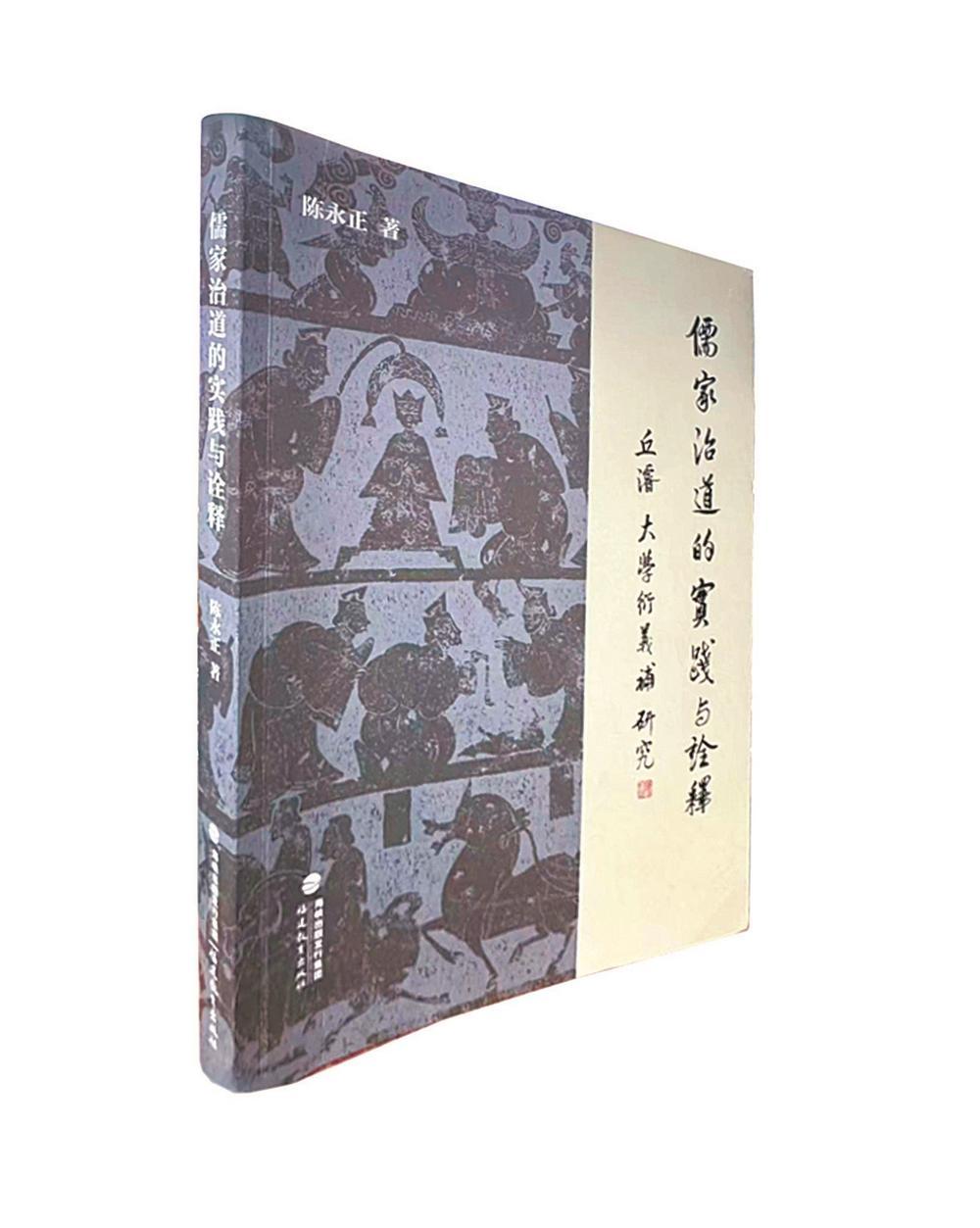
Core Viewpoint - The publication of Chen Yongzheng's book "The Practice and Interpretation of Confucian Governance: A Study of Qiu Jun's 'Supplement to the Great Learning'" has reignited academic interest in traditional governance thought, emphasizing the practical application of Confucian principles in contemporary governance [2][6]. Group 1: Historical Context and Development - The book discusses the significance of "The Great Learning," a key text in Confucianism, which was compiled by Zhu Xi during the Southern Song Dynasty and later became a foundational classic for civil service examinations and Confucian education [2][3]. - Qiu Jun, during the Ming Dynasty, aimed to supplement Zhen Dexiu's "Supplement to the Great Learning" by focusing on practical governance, covering various aspects such as finance, personnel management, and military affairs, resulting in a comprehensive framework for state governance [4][5]. Group 2: Key Contributions and Insights - Qiu Jun's work emphasizes the importance of institutional rigidity to correct moral failings, advocating for a governance model that integrates Confucian ethics into practical statecraft, thus enhancing the relevance of Confucian governance in the Ming Dynasty [4][5]. - The author employs a quantitative historical approach to analyze Qiu Jun's writings, providing a more precise understanding of his ideas and their roots in Song Dynasty philosophy, thereby transforming moral principles into actionable policies [5][6]. Group 3: Contemporary Relevance - The book highlights the applicability of Confucian governance principles in modern state governance, reflecting the author's extensive experience in higher education and his insights into the transformation of governance practices [6]. - Chen Yongzheng's work serves as a bridge between historical governance models and contemporary governance challenges, illustrating the potential for traditional Confucian thought to inform modern policy-making [6].