儒家治道

Search documents
把理学打造成“明代治理白皮书”
Xin Lang Cai Jing· 2026-01-19 23:20
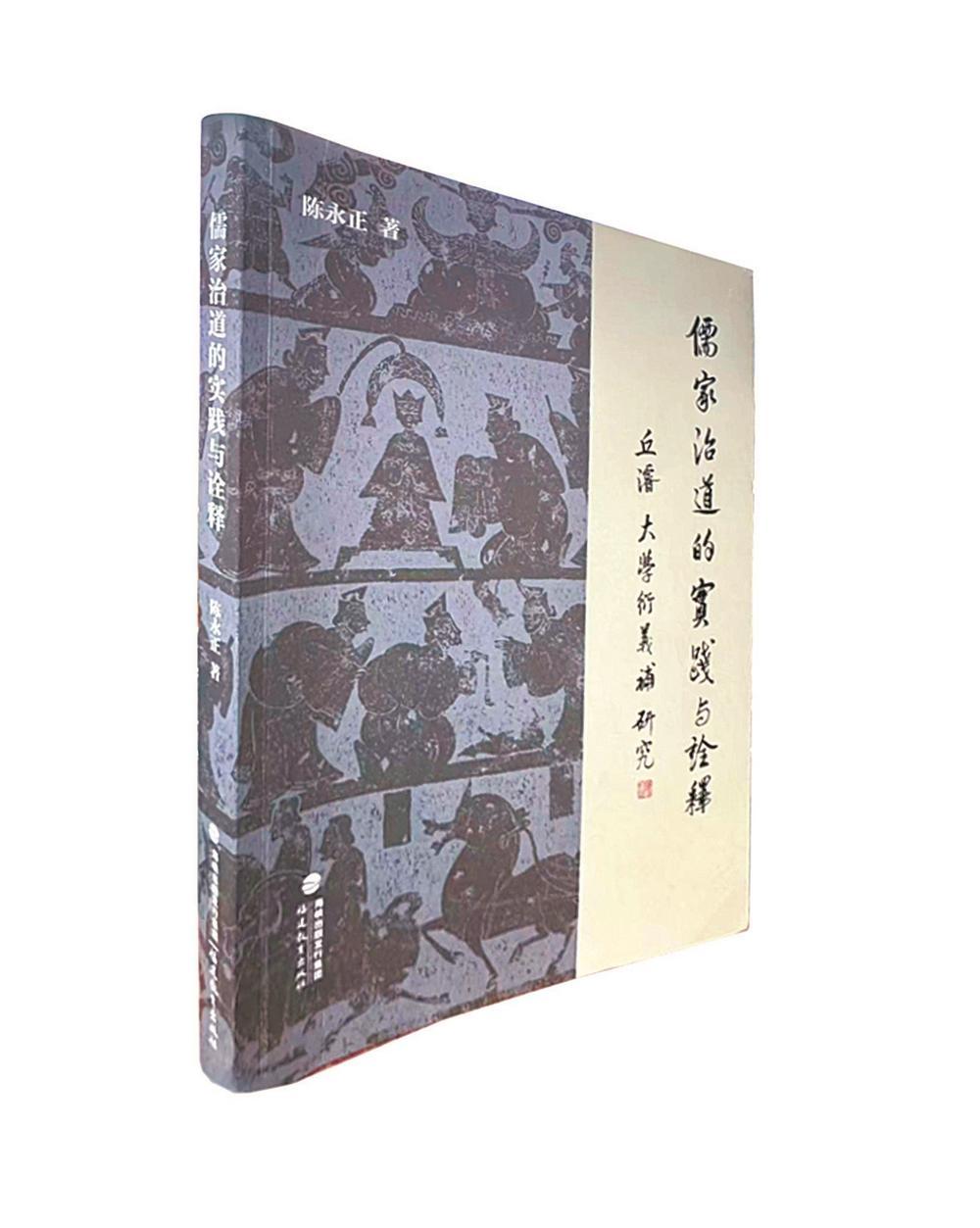
Core Viewpoint - The publication of Chen Yongzheng's book "The Practice and Interpretation of Confucian Governance: A Study of Qiu Jun's 'Supplement to the Great Learning'" has reignited academic interest in traditional governance thought, emphasizing the practical application of Confucian principles in contemporary governance [2][6]. Group 1: Historical Context and Development - The book discusses the significance of "The Great Learning," a key text in Confucianism, which was compiled by Zhu Xi during the Southern Song Dynasty and later became a foundational classic for civil service examinations and Confucian education [2][3]. - Qiu Jun, during the Ming Dynasty, aimed to supplement Zhen Dexiu's "Supplement to the Great Learning" by focusing on practical governance, covering various aspects such as finance, personnel management, and military affairs, resulting in a comprehensive framework for state governance [4][5]. Group 2: Key Contributions and Insights - Qiu Jun's work emphasizes the importance of institutional rigidity to correct moral failings, advocating for a governance model that integrates Confucian ethics into practical statecraft, thus enhancing the relevance of Confucian governance in the Ming Dynasty [4][5]. - The author employs a quantitative historical approach to analyze Qiu Jun's writings, providing a more precise understanding of his ideas and their roots in Song Dynasty philosophy, thereby transforming moral principles into actionable policies [5][6]. Group 3: Contemporary Relevance - The book highlights the applicability of Confucian governance principles in modern state governance, reflecting the author's extensive experience in higher education and his insights into the transformation of governance practices [6]. - Chen Yongzheng's work serves as a bridge between historical governance models and contemporary governance challenges, illustrating the potential for traditional Confucian thought to inform modern policy-making [6].

“治道”的文化心理根基及其现代张力
Xin Lang Cai Jing· 2025-12-19 19:25
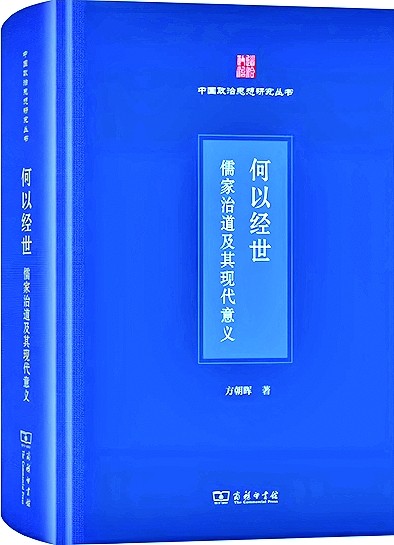
Core Argument - The book "What Governs the World: Confucian Governance and Its Modern Significance" by Professor Fang Chaohui addresses the understanding of political wisdom within Chinese civilization amidst modernization [3][9]. Group 1: Cultural Psychological Structure - The author introduces cultural psychology as a core tool to explain the stable "collective unconscious" underlying civilization, which influences community thinking and emotions [4][5]. - Three major cultural assumptions are identified: the focus on the present world, relationship-based identity, and collectivism, which shape the governance approach in Confucianism [5][6]. Group 2: Governance Framework - A four-layer structural model of Confucian governance is constructed, emphasizing that effective governance in Chinese culture relies on "soft power" rather than mere coercive authority [6][8]. - The redefinition of "moral governance" (德治) emphasizes genuine concern for others, while "ritual governance" (礼治) is positioned as a "soft institution" that respects interpersonal relationships [6][7]. Group 3: Modern Implications - The book discusses the challenge of integrating soft institutions with modern legal frameworks, highlighting the need for a balance between hard constraints and soft governance [8][9]. - It suggests that the governance model proposed by Confucianism can contribute valuable insights to global governance discussions, particularly in reconciling different cultural logics [8][9].