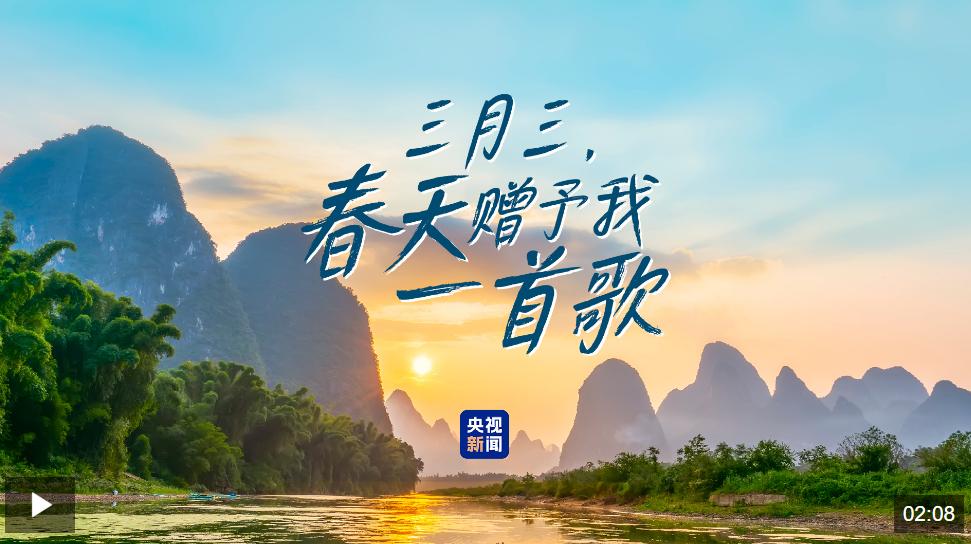
《山歌好比春江水》

Search documents
春节文化活动首次走进东盟总部 多国使节共庆欢乐中国年
Xin Lang Cai Jing· 2026-02-05 14:04
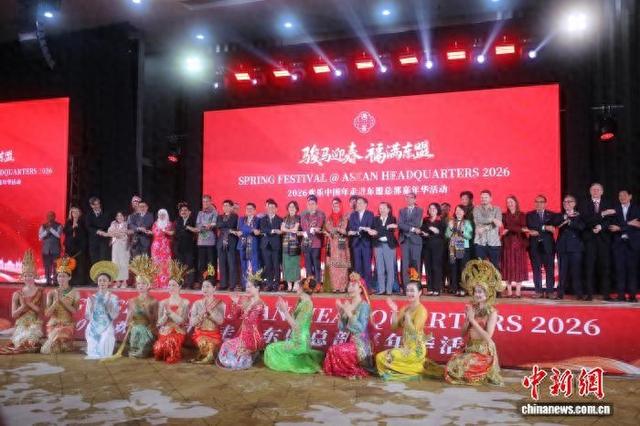
Group 1 - The event "Joyful Chinese New Year 2026" was successfully held at the ASEAN Secretariat in Jakarta, marking the first time a Spring Festival cultural event has taken place at the ASEAN headquarters [1][3] - The event was supported by the Chinese Mission to ASEAN, the Malaysian Permanent Mission to ASEAN, and the ASEAN Secretariat, and was organized by various entities from Guangxi, China [3][4] - Over 200 guests attended, including diplomats from ASEAN member states and dialogue partner countries, as well as representatives from Chinese enterprises in Indonesia [3][4] Group 2 - ASEAN Secretary-General Kao Kim Hourn highlighted that the Spring Festival has evolved into a global celebration, with the 2024 Spring Festival recognized by UNESCO as an intangible cultural heritage [3][4] - The Chinese Ambassador to ASEAN, Wang Qing, emphasized the significance of the Spring Festival as a symbol of reunion and harmony, reflecting the close ties between China and ASEAN [4] - The event featured cultural performances, including a dance titled "Beautiful China: Guangxi's Charm" and instrumental music showcasing traditional Chinese instruments [5]

民歌潮音 声动山河
Guang Xi Ri Bao· 2025-04-29 02:53
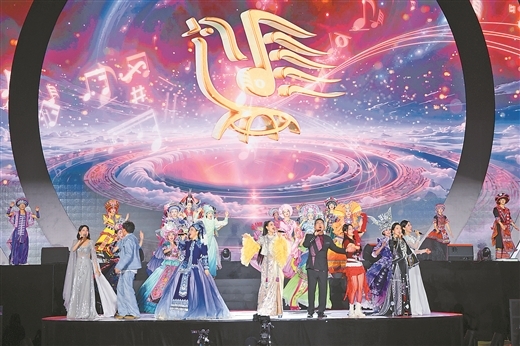
Core Viewpoint - The "Guangxi March 3rd · Bagui Carnival" closing ceremony and "2025 Earth Song" event showcased a blend of traditional folk music and modern elements, redefining the essence of folk songs through innovative performances and technology [2][3][4]. Group 1: Event Highlights - The event featured a unique stage design resembling a "time record," immersing the audience in a visual experience that combined folk music, dance, and modern technology [2]. - Notable performances included classic songs like "Mountain Song is Like Spring River Water" and new creations such as "I Am Waiting for You in Nanning," highlighting the integration of traditional and contemporary music styles [3]. - The event was structured into three chapters: "Earth Song Classic Transmission," "Folk Song Trendy Sound," and "Folk Songs Without Borders," showcasing a variety of performances that emphasized the cultural richness of Guangxi [3]. Group 2: Technological Integration - The event utilized AI technology to create digital avatars of local cultural icons, enhancing audience interaction and providing a novel experience [4]. - Interactive segments were designed to engage the audience, fostering a lively atmosphere and promoting community involvement [4]. Group 3: Promotion and Sustainability - The event adopted a multi-faceted approach, combining offline activities with online promotion and television broadcasting, thereby creating a seamless connection between different platforms [5]. - The "Guangxi March 3rd · Bagui Carnival" has evolved into a significant cultural brand for Guangxi, with the "Earth Song" event serving as a key highlight that celebrates local culture and promotes regional development [5].
三月三,春天赠予我一首歌
Yang Shi Xin Wen Ke Hu Duan· 2025-03-31 02:27
Core Viewpoint - The article highlights the significance of the traditional festival "San Yue San" (March 3) in Chinese culture, emphasizing its role in connecting people, celebrating heritage, and adapting to modern influences through music and performance [2][3]. Group 1: Festival Significance - "San Yue San" is portrayed as a time for gathering, tradition, and cultural identity, serving as a magical bond that connects the hearts of the people in Guangxi, regardless of their location [2]. - The festival is celebrated with music that blends traditional elements with contemporary styles, showcasing the evolution of cultural expression [2]. Group 2: Musical Adaptation - The adapted version of the song "Shan Ge Hao Bi Chun Jiang Shui" incorporates modern imagery such as "luosifen mixed with old friends' noodles" and "high-speed trains," reflecting current societal themes while maintaining its cultural roots [2]. - The use of ethnic vocal styles and instruments like bamboo flutes and copper drums creates a unique musical style that embodies the rich cultural heritage of Guangxi [3]. Group 3: Cultural Representation - The song serves as a representation of the values of the people of Guangxi, emphasizing harmony between humans and nature, as well as among individuals [3]. - The transformation of the song from traditional performances to creative adaptations on social media platforms illustrates its enduring relevance and connection to the cultural identity of the region [3].