
民族文化

Search documents
佳节共欢腾 最炫民族风
Xin Lang Cai Jing· 2026-02-20 20:42
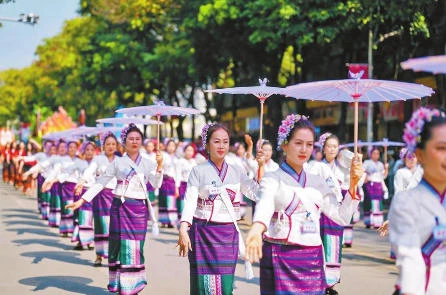
Core Viewpoint - The article highlights the vibrant cultural celebrations during the Spring Festival in various counties of Yunnan Province, showcasing the rich diversity of ethnic traditions and the integration of tourism with local customs [3][5][7]. Group 1: Cultural Events - On the third day of the Lunar New Year, the Canglang County hosted the "Kua Ta" festival, a significant event for the Lahu ethnic group, symbolizing ancestor worship and harvest celebration, attracting thousands of participants and tourists [3][4]. - The "Kua Ta" festival featured a grand parade with traditional performances, including the Lahu ethnic dance and various other ethnic groups showcasing their unique cultural heritage through music and dance [4][5]. - The "Miao Flower Mountain Festival" in Pingbian County commenced on the same day, featuring a solemn flower pole ceremony and a series of traditional competitions, including chicken fighting and folk dances, aimed at promoting Miao culture [5][6]. Group 2: Tourism and Cultural Integration - The Yulong Snow Mountain scenic area organized a series of ethnic cultural performances from the second to the sixth day of the Lunar New Year, allowing visitors to experience the rich cultural tapestry of Yunnan amidst stunning natural landscapes [6]. - The ethnic parade in Yuanjiang County on the first day of the Lunar New Year showcased a variety of performances, emphasizing the region's diverse cultural heritage and local products, enhancing the festive atmosphere for both residents and tourists [7][8]. - The events not only celebrate local traditions but also serve as a platform for promoting tourism, with immersive experiences that allow visitors to engage with the local culture and festivities [6][7].

“贵州村T”亮相央视春晚,这些民族服饰,一定能惊艳到你
Xin Lang Cai Jing· 2026-02-16 15:14
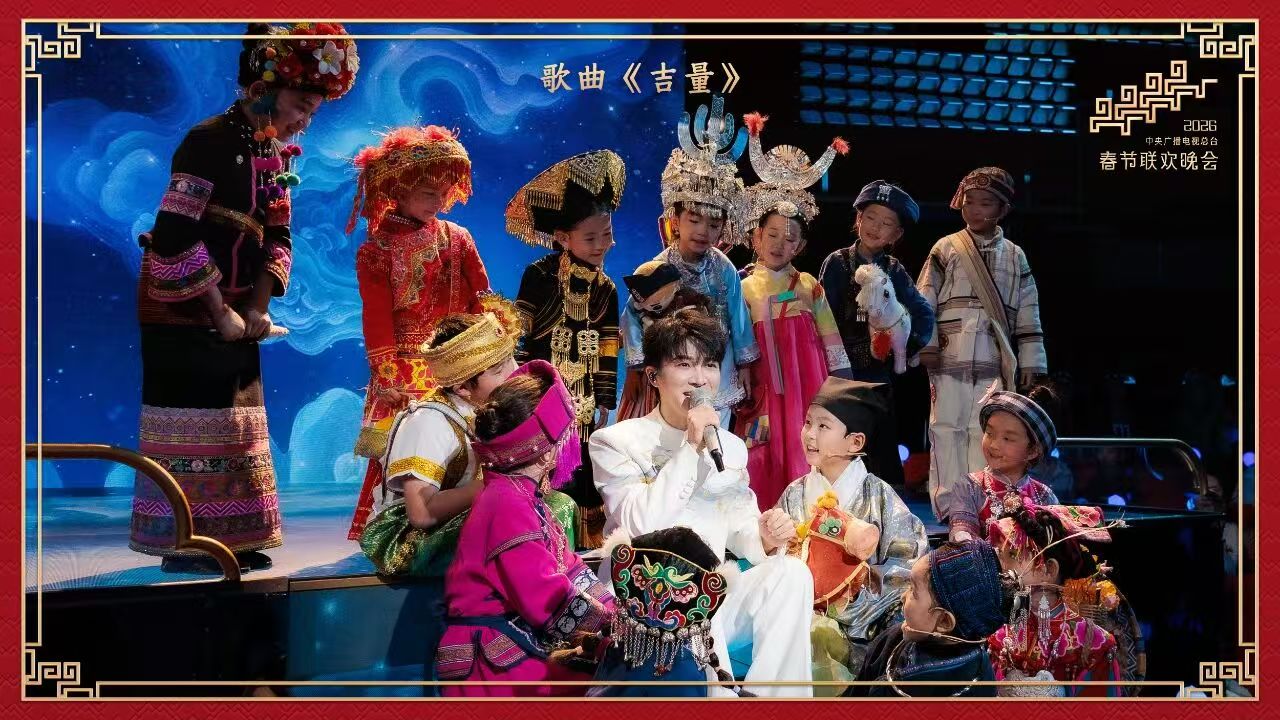
Core Viewpoint - The performance of Guizhou singer Zhou Shen and the "Guizhou Village T" troupe at the 2026 CCTV Spring Festival Gala showcased the rich cultural heritage of Guizhou, particularly through the presentation of traditional ethnic costumes and music [1][3]. Summary by Sections Cultural Representation - The "Guizhou Village T" troupe, consisting of 12 children, displayed confidence while wearing traditional Miao and Dong ethnic costumes, highlighting the diversity of Guizhou's cultural heritage [3]. - Guizhou is known as the "Cultural Thousand Islands," home to 18 ethnic groups that have contributed to a rich tapestry of cultural treasures [5]. Ethnic Costumes - Ethnic costumes serve as a vivid representation of cultural identity, akin to a flowing history book, showcasing the unique characteristics of various ethnic groups [7]. - The Miao ethnic costumes are noted for their diversity, with over 200 styles featuring silver ornaments, embroidery, and batik, reflecting a deep connection to nature and spirituality [17][21]. Specific Ethnic Costumes - The Dong ethnic costumes, with a history tracing back to the Han and Tang dynasties, are renowned for their exquisite craftsmanship and are characterized by elegant patterns and colors [24][26]. - The Shui ethnic group, unique to Guizhou, has a distinct preference for dark colors and is known for its intricate embroidery, which is recognized as a national intangible cultural heritage [44]. - The Gelao ethnic costumes are distinguished by their intricate designs and vibrant colors, symbolizing the group's rich historical and cultural background [49]. Cultural Significance - The costumes of various ethnic groups not only serve as artistic expressions but also encapsulate deep cultural meanings, with many groups lacking written language, relying instead on textile art to convey their history and beliefs [21][73]. - The exploration of Guizhou's ethnic costumes offers an opportunity for cultural discovery, inviting visitors to engage with the region's diverse heritage [112].
当心那些胡编乱唱的“AI歌手”
Xin Hua She· 2026-02-09 09:31
Core Viewpoint - The rise of artificial intelligence (AI) in music creation presents new challenges, particularly concerning the authenticity and cultural representation of minority music [1][2] Group 1: AI in Music Creation - AI technology has been used to create unauthorized covers of songs, such as a recent incident involving an AI-generated cover of a song by American singer Beyoncé, which led to a public apology and retraction after copyright issues [1] - A controversial "AI singer" claiming to represent the Yi ethnic group has been criticized for using nonsensical language in its covers, misleading audiences despite the inclusion of bilingual subtitles [1] Group 2: Cultural Misrepresentation - Some companies and individuals exploit the lack of understanding of minority languages and cultures to produce what is termed "pseudo-cultural" products, which can quickly be recognized as inauthentic by local communities [2] - The creation of AI-generated content that misrepresents ethnic identities, such as the "Yi AI singer" and a similarly controversial "Tibetan AI singer," raises concerns about cultural appropriation and the integrity of artistic expression [2] Group 3: Ethical Considerations and Regulation - The use of technology in music should respect cultural heritage and emotional depth, emphasizing the need for a balance between innovation and cultural integrity [2] - There is a call for platforms to take responsibility for content moderation and for regulatory bodies to establish clear guidelines to prevent the spread of misleading and culturally insensitive AI-generated content [2]
【新春走基层】贵州年货大集结!热闹集市嗨翻新春
Xin Lang Cai Jing· 2026-02-02 09:46
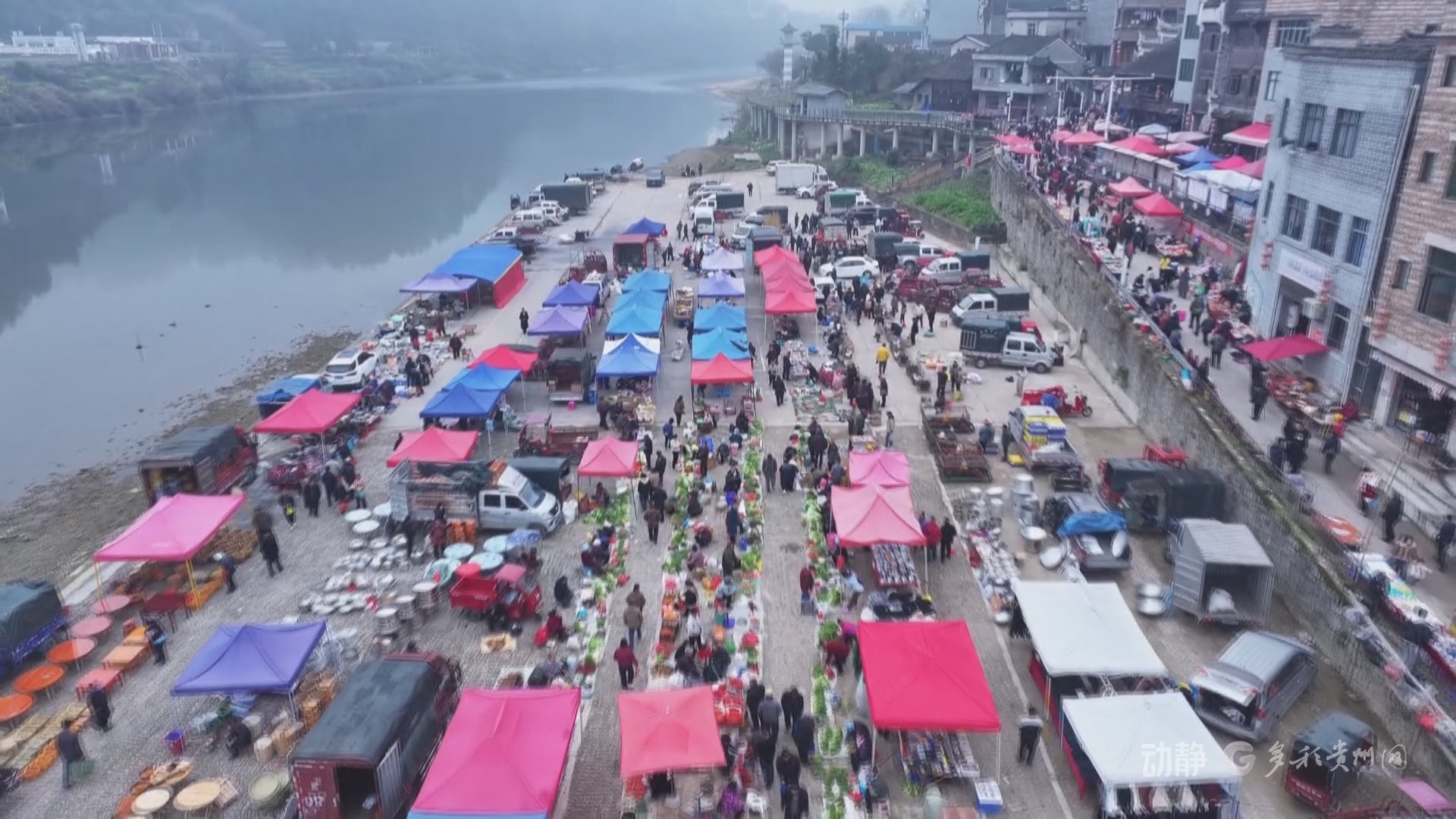
Group 1 - The festive atmosphere in Guizhou is vibrant as various regions kick off New Year celebrations, featuring traditional markets and cultural performances that create a shopping and entertainment experience for residents and tourists [1][4][13] - The Buyei Cultural Street in Cehen County hosts a lively New Year goods festival, showcasing traditional clothing and cultural displays that attract visitors [3][4] - The event includes diverse activities such as dragon dances, fireworks, and local product exhibitions, aimed at boosting the local economy and enhancing consumer engagement during the New Year season [4][6] Group 2 - The "Happy New Year" festival in Guiding County features a wide array of traditional goods, including spring couplets, cured meats, and ethnic handicrafts, drawing large crowds [6][8] - Community engagement is highlighted through activities like free spring couplet writing and job information services, promoting a sense of warmth and vitality during the New Year celebrations [8] - The bustling markets in Jianhe County reflect a rich cultural heritage, with local specialties and vibrant interactions among shoppers, symbolizing hope and continuity as the New Year approaches [9][11][12]
榫卯:从“网红”热词回归技术本体
Xin Lang Cai Jing· 2026-01-29 21:59
Core Viewpoint - The article discusses the misconceptions surrounding the use of "mortise and tenon" (榫卯) in traditional Chinese architecture, emphasizing that the belief that ancient Chinese buildings did not use nails is largely inaccurate and rooted in misunderstandings of both historical practices and cultural contexts [4][6][9]. Group 1: Misconceptions about Nail Usage - The notion that ancient Chinese architecture did not use any nails is factually incorrect; nails were commonly used in smaller structural components and interior decorations, as documented in historical architectural guidelines [4]. - The idea of "nail-free construction" is not unique to China but is a shared characteristic among various wooden construction cultures, indicating a broader historical context [5][9]. Group 2: Cultural and Technical Perspectives - The rejection of nails in ancient Chinese craftsmanship stems from both technical and cultural reasons, primarily due to the susceptibility of iron to rust and decay, which could compromise the longevity of wooden structures [6]. - The cultural preference for wooden joints over nails reflects a deep-rooted tradition among East Asian carpenters, which has been shaped by historical material availability and craftsmanship values [6][7]. Group 3: Historical Context and Global Comparisons - The glorification of "nail-free construction" may have originated from 19th-century North America, where the mass production of wooden structures using cheap nails contrasted with the traditional methods of East Asia [5]. - The article highlights that Western architectural classifications often misinterpret Chinese wooden structures, categorizing them as "half-timbered" rather than recognizing their full wooden framework [7][8]. Group 4: Clarification of Architectural Concepts - The author aims to clarify two main misconceptions: first, that mortise and tenon joints are not a unique Chinese invention but a common solution across various wooden construction cultures; second, that the technical aspects of these joints involve complex interactions of material properties, tools, and cultural choices, rather than mere geometric assembly [9].
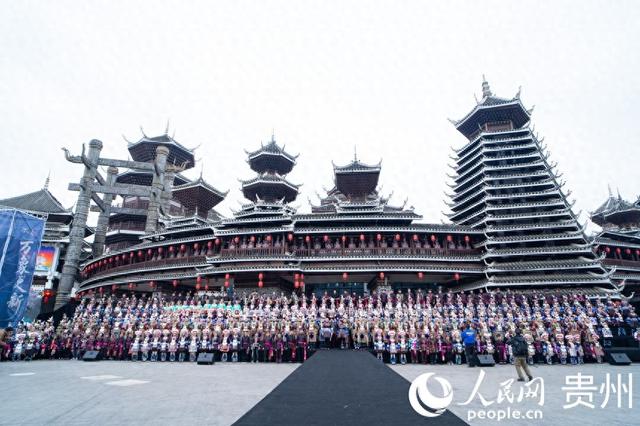
侗族大歌震撼开唱 多彩贵州城上演文化盛宴
Xin Lang Cai Jing· 2026-01-04 02:26
Core Viewpoint - The article highlights a grand ethnic cultural celebration held at the Drum Tower Square in Guiyang, Guizhou, featuring a large choir of 425 Dong ethnic members performing traditional songs to welcome the New Year [2][4][6]. Summary by Sections Event Overview - The event took place during the New Year period, showcasing a vibrant display of Dong culture through a large-scale choir performance [8][10]. - The performance commenced with a melodious Lusheng (a traditional wind instrument) show, setting the stage for the choir [12][14]. Performance Details - The choir, consisting of 425 Dong singers, performed in a multi-part a cappella format, presenting classic songs such as "Building the Pond Song," "Cicada Song," and "Cuckoo Urging Spring" [16][18]. - Notable pieces included "Dong Songs Singing for the Party" and "Hongzhou Pipa Song: Younger Generations Should Respect the Elders," which blend the ancient essence of Dong songs with contemporary themes, receiving enthusiastic applause from the audience [20].
2025年,那些文化光影里的瞬间(上)
Xin Lang Cai Jing· 2026-01-03 00:40
Core Perspective - The article reflects on the cultural achievements and developments in China throughout 2025, highlighting the integration of traditional culture into contemporary life and the increasing cultural confidence among the Chinese people [5]. Cultural Heritage Section - In 2025, archaeological work in China's border regions yielded significant findings, enhancing the understanding of the origins and development of Chinese civilization [8]. - Key discoveries include the Neolithic site in Ordos, which provided evidence of continuous human activity for over 50,000 years, and the large-scale burial mounds of the Hongshan culture, offering new insights into early social complexity [10]. - The Xinjiang region's archaeological findings support the view that the Silk Road was a result of cultural exchange rather than its origin, with discoveries linking artifacts from different regions [12]. - The Tibetan Plateau's archaeological breakthroughs indicate early material cultural exchanges with central China and South Asia, showcasing the region's historical significance [13]. - The year saw a focus on systematic narratives in museums, emphasizing the historical interactions among various ethnic groups and their contributions to the formation of a unified Chinese identity [16]. Literature Section - In 2025, writers from various ethnic backgrounds explored contemporary expressions of Chinese culture, weaving narratives that reflect the shared experiences of different communities [18]. - Notable works include novels that depict historical events and cultural interactions, such as "The Winds of Ustaz" and "The River of Eji," which highlight themes of unity and cultural heritage [20]. - The emergence of cross-genre writing is evident, with authors blending different literary forms to create rich narratives that resonate with contemporary issues [21]. - The Chinese Writers Association's initiatives, such as the "Literary Community Series," aim to promote minority literature and foster a deeper understanding of cultural diversity [22]. - The year culminated in the "2025 China Literature Festival," celebrating children's literature and showcasing the literary talents of young writers from diverse backgrounds [24].

贵州荔波:“村排”开赛庆元旦,热血拼搏迎新年
Xin Lang Cai Jing· 2026-01-02 10:13
Core Viewpoint - The 2026 Guizhou "Village Volleyball" Lipo Rural Volleyball League commenced on January 1, 2026, featuring volleyball matches, cultural parades, and opening performances, creating a festive atmosphere for the New Year holiday and igniting a new wave of rural sports enthusiasm [1]. Group 1: Event Overview - The event includes volleyball competitions, a cultural parade, and an opening ceremony, aimed at celebrating the New Year and promoting rural sports [1]. - The cultural parade featured 106 participating teams from 8 local towns, showcasing traditional costumes and local agricultural products, enhancing community engagement and tourism [1]. - Performances during the opening ceremony included various ethnic dances, highlighting the rich cultural diversity of the region and contributing to the festive atmosphere [1]. Group 2: Competition Details - The first match saw the Ba Lan Village Loquat Team compete against the Shui Yao New Village Team, with both teams winning one game each before Ba Lan secured victory in the decisive game with a score of 18 to 16 [2]. - The league will run until February 23, 2026, covering the entire Spring Festival holiday, with a focus on "mass participation and local characteristics" [2]. - The event will also feature ongoing cultural exhibitions and sales of local agricultural products, aiming to create a sports event with strong local flavor and broad community support [2].
深挖特色文化资源潜能 推动文化大发展大繁荣
Xin Lang Cai Jing· 2025-12-31 04:31
Core Viewpoint - The cultural prosperity and development in Guizhou is a significant marker of Chinese-style modernization and serves as a deep force for high-quality development and modernization in the province [1] Group 1: Cultural Projects and Initiatives - Guizhou is implementing "Four Major Cultural Projects" to enhance cultural resources and promote cultural industries, which are increasingly demonstrating their role in leading trends, educating the public, serving society, and driving development [2] - The establishment of a systematic and standardized red culture research system aims to integrate research efforts on the historical context of the Red Army's Long March in Guizhou, leading to high-quality research outcomes and educational materials [2] - The promotion of the "Long March Spirit" through the construction of the Long March National Cultural Park in Guizhou focuses on protecting and utilizing red cultural resources [2] Group 2: Cultural Heritage and Ethnic Culture - A comprehensive survey and research initiative on the history, language, and traditions of various ethnic groups in Guizhou is underway, emphasizing the protection and transmission of intangible cultural heritage [4] - The development of cultural products and services that incorporate traditional crafts and performances aims to revitalize intangible cultural heritage and improve livelihoods [4] Group 3: Cultural Brand Development - The "Mountain Park Province · Colorful Guizhou Wind" cultural tourism brand has gained significant recognition, enhancing Guizhou's cultural influence and identity [6] - Various regional cultural brands, such as "Red Zunyi" and "Cool Guiyang," showcase the unique characteristics of different areas within Guizhou [6] Group 4: Cultural Products and Quality - Guizhou's cultural originality is on the rise, with a focus on creating works that reflect the spirit of the times and local characteristics, including television dramas and stage plays that resonate with audiences [7] - Initiatives like "Our China Dream" aim to bring cultural activities to rural areas, benefiting millions of people annually [7] Group 5: Cultural Heritage Protection - The establishment of a cultural heritage protection system is being enhanced through revised regulations and a coordinated approach among relevant departments, ensuring effective management and utilization of cultural resources [8] - Significant progress has been made in protecting traditional villages and intangible cultural heritage, with notable projects recognized at national and international levels [8] Group 6: Integration of Culture and Tourism - The integration of culture and tourism is being deepened, with the development of high-quality tourism projects that highlight Guizhou's unique cultural and natural resources [9] - New tourism consumption models, such as immersive performances and heritage experiences, are being cultivated to enhance the attractiveness of the cultural tourism sector [9] Group 7: Community Cultural Life - The implementation of the "Guizhou Province New Era Citizen Moral Construction Implementation Plan" is promoting the integration of core socialist values into daily life and governance [10] - Public cultural services are being improved, with a focus on expanding access and enhancing the quality of cultural experiences for the community [10] Group 8: Cultural Resource Innovation - The establishment of mechanisms for creative transformation and innovative development aims to invigorate cultural resources and enhance their modern relevance [11] - Policies supporting cultural prosperity are being developed, focusing on legal frameworks and financial incentives to foster a sustainable cultural environment [11] Group 9: Cultural Industry Development - Guizhou is leveraging its unique cultural resources to create a diverse and complementary cultural industry structure, integrating with tourism, agriculture, and other sectors [13] - Major cultural projects are being planned and implemented to drive the development of the cultural industry and enhance its contribution to social development [13] Group 10: International Cultural Exchange - A modern communication matrix is being established to enhance the dissemination and dialogue of Guizhou's culture on a global scale [14] - Efforts are being made to promote Guizhou's cultural products and engage in international cultural exchanges, showcasing both traditional and contemporary narratives [14]
多个文艺作品在国家级专业奖项中斩获佳绩
Xin Lang Cai Jing· 2025-12-26 21:02
Core Viewpoint - Qinghai is promoting cultural development through five cultural pillars: ecological culture, historical culture, red culture, national culture, and highland culture, achieving notable success in national awards for artistic works [1][2]. Group 1: Ecological Culture - Qinghai is actively promoting its ecological civilization achievements and engaging in environmental protection activities, with initiatives like "Solar Sheep" and the popular snow leopard "Ling Xiaozhe" receiving widespread attention and praise [1]. Group 2: Historical Culture - The province is focusing on the research and excavation of Kunlun culture, conducting multidisciplinary scientific explorations, and implementing archaeological projects at sites like Dingdu Pubba and Xia'er Yama Kebu, with significant discoveries recognized in the "Top 100 Archaeological Discoveries of the Century" [1]. Group 3: Red Culture - Qinghai is commemorating significant historical events such as the 100th anniversary of the Communist Party and the 80th anniversary of the victory in the Anti-Japanese War, promoting the "Two Bombs, One Satellite" spirit, and establishing the Qinghai Atomic City Memorial Hall as a repository of red culture [1]. Group 4: National Culture - The province is enhancing the construction of national and provincial cultural protection zones for Gesar and Regong cultures, compiling the "Atlas of Chinese Minority Cultural Relics: Qinghai Volume," and organizing various events to revitalize traditional culture in the modern era [2]. Group 5: Highland Culture - Qinghai is hosting discussions on the "Two Roads" spirit and promoting exemplary figures like Gabulong and Wu Tianyi, aiming to inspire local communities to love and build Qinghai [2]. Group 6: Artistic Creation - The province's artistic creation is thriving, with works like the novel "On the Wilderness," Tibetan opera "Princess of Jincheng," and the film "Boy in the Moonlight" winning national awards, while upcoming productions include the TV series "Tree of Life" and the documentary "Yushu Rebirth" [2][3]. Group 7: Collaborative Projects - Qinghai is implementing over 70 cooperative projects in artistic creation, talent cultivation, and grassroots cultural development, with successful releases of various artistic works and events such as the China Wildlife Photography Exhibition and the National (Qinghai) Folk Song Performance [3].