《引回风:随笔自选集》

Search documents
努力寻回汉语的精魂 李敬泽推出最新随笔集《引回风》
Xin Lang Cai Jing· 2026-01-17 16:39
Group 1 - The event "From Heart, Free, Like Wind: New Book Sharing of 'Returning Wind: Selected Essays'" was held at the National Library of China, featuring discussions among author Li Jingze, writer Bi Feiyu, and scholar Liang Hong [3][5] - The book is described as a "time book" and a model of the Chinese language, containing representative essays by Li Jingze since 1993, reflecting on literature, history, and philosophy [5][7] - Bi Feiyu praised Li Jingze's writing as a paradigm of modern Chinese expression, emphasizing its rich vocabulary and precision, encouraging young readers to learn from it [5][7] Group 2 - Li Jingze shared his core creative philosophy, emphasizing the pursuit of writing freedom and resisting fixed styles, likening his writing to a bird that can mimic various sounds [7][9] - Liang Hong expressed her deep emotional engagement with literature, highlighting the ability of great works to resonate with readers and evoke a sense of connection [9] - The dialogue transcended a simple book promotion, addressing the essence of creation, the significance of reading, and the exploration of life, underscoring the enduring value of literature in fostering independent thought and expression [9]


李敬泽新作《引回风》面世:我不愿风格固定,希望“随风而动”
Xin Lang Cai Jing· 2026-01-17 10:31
Core Viewpoint - The book "Returning Wind: Selected Essays" by writer Li Jingze is a self-reflective work that traverses literature, history, life, and philosophy, capturing the author's journey since 1993 [1] Group 1: Book Overview - The book is described as a "time book" that records the author's initial passion for writing and the scenery along the way [1] - It features a narrative style that is free and unrestrained, akin to the wind [1] Group 2: Insights from Other Authors - Award-winning author Bi Feiyu emphasized the importance of vocabulary and precise expression in good literature, praising Li Jingze's work for its rich vocabulary and elegant expression [3] - Scholar Liang Hong noted that the book reflects the author's vast inner spiritual world and connects history with individual experiences, offering profound insights into contemporary times [5] Group 3: Author's Perspective - Li Jingze expressed a desire to avoid being defined by a fixed writing style, aiming for a natural writing state that balances weighty thoughts with a light quality [7][8] - He shared insights on the writing process, emphasizing that the essence lies in maintaining a curious and passionate approach to language and expression, regardless of age [10] Group 4: Literary Value - Liang Hong highlighted the importance of continuous curiosity about the world in writing and reading, suggesting that true literature protects independent thought and expression [12]
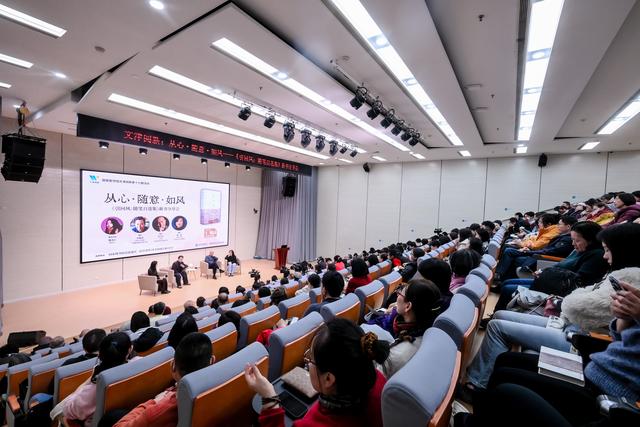
李敬泽《引回风:随笔自选集》:自我追溯的“时间之书”
Xin Lang Cai Jing· 2026-01-17 07:28
Core Viewpoint - The article discusses the book launch event for "Returning Wind: A Collection of Selected Essays" by writer and critic Li Jingze, emphasizing his reflections on writing and the importance of maintaining a vibrant life state in creative expression [1][3]. Group 1: Book Overview - "Returning Wind: A Collection of Selected Essays" is Li Jingze's latest work, which serves as a self-reflective "book of time," with articles dating back to 1993, capturing his initial passion for writing and the journey along the way [1]. - The book is published by Hunan Literature and Art Publishing House [5]. Group 2: Author's Perspective - Li Jingze expresses a desire to resist being defined by a fixed writing style, aiming for a natural writing state that is both thoughtful and light [3]. - He emphasizes that the essence of writing lies in maintaining a curious and passionate approach to language, rather than succumbing to clichés over time [3][8]. Group 3: Peer Recognition - Fellow writer Bi Feiyu praises Li Jingze's writing for its depth and ability to withstand repeated readings, highlighting his insight, courage, and talent [7]. - Writer Liang Hong notes that Li Jingze's historical narratives reflect contemporary observations and thoughts, revealing a profound understanding of life's value [8].