
文学阅读

Search documents
让我感到幸福的书
Xin Lang Cai Jing· 2026-02-01 06:56
Core Viewpoint - The article discusses the evolving landscape of literature and reading habits, emphasizing the contrast between traditional literary appreciation and the rise of short video content consumption, while highlighting the enduring value of literary works in providing happiness and understanding [4][5][6][7]. Group 1: Literature and Reading Trends - The author reflects on the decline in traditional reading habits, noting that many people now prefer short videos over books, which raises questions about cultural shifts in consumption [4][5]. - There is a growing trend where non-fiction and social science books are more popular than literary works, with a recent book review event featuring no literary titles among the finalists, which surprised the author [6][7]. - The article suggests that while entertainment formats like stand-up comedy aim to please, literature seeks to provide deeper experiences of happiness and understanding [7]. Group 2: Personal Reflections on Literature - The author shares a personal connection to literature, citing Harold Bloom's final work, "The Bright Book of Life," as a source of inspiration and happiness, reflecting on the impact of beloved novels [7]. - The article emphasizes that reading great literary works is about learning to love and understand, which is valuable regardless of any expected returns [7]. - The author encourages a more courageous approach to love and understanding in the new year, inspired by the insights gained from literature [7].

鸡毛蒜皮的家庭琐事何以成就千古名篇
Xin Lang Cai Jing· 2026-01-23 16:48
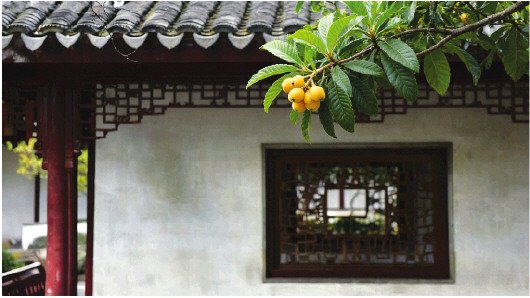
Core Viewpoint - The article discusses the significance of classical Chinese prose, particularly focusing on the work "Xiangji Xuan Zhi" by Gu Youguang, highlighting its narrative depth and emotional resonance, as well as the historical context in which it was written [2][3]. Summary by Sections Historical Context - The peak of classical Chinese prose is generally considered to be during the Tang and Song dynasties, with a decline in quality during the Ming and Qing dynasties, where the genre faced challenges from more popular forms of literature [3][4]. Analysis of "Xiangji Xuan Zhi" - The text is divided into two parts: the main narrative written at the age of eighteen and a supplementary section written at thirty-five, reflecting on the author's experiences and emotional growth over seventeen years [4][5]. - The author employs rich imagery and contrasts to depict the transformation of his living space, emphasizing the importance of environment in shaping one's intellectual and emotional life [5][6]. Themes of Family and Loss - The narrative explores themes of family disintegration and personal loss, particularly focusing on the impact of familial changes on the author's psyche and literary expression [6][7]. - The author reflects on his relationships with his mother and grandmother, revealing the weight of familial expectations and the emotional burden of loss [8][9]. Emotional Expression - The supplementary section poignantly conveys the author's deep sense of loss for his deceased wife, using subtle narrative techniques to express profound emotions without overt declarations [10][11]. - The imagery of the loquat tree planted by his wife serves as a powerful symbol of memory and grief, encapsulating the enduring nature of love and loss [12][13]. Conclusion - The article concludes by emphasizing the lasting impact of personal experiences on literary creation, illustrating how the author's reflections on his life and relationships contribute to the richness of classical prose [14][15].
李敬泽新作《引回风》面世:我不愿风格固定,希望“随风而动”
Xin Lang Cai Jing· 2026-01-17 10:31
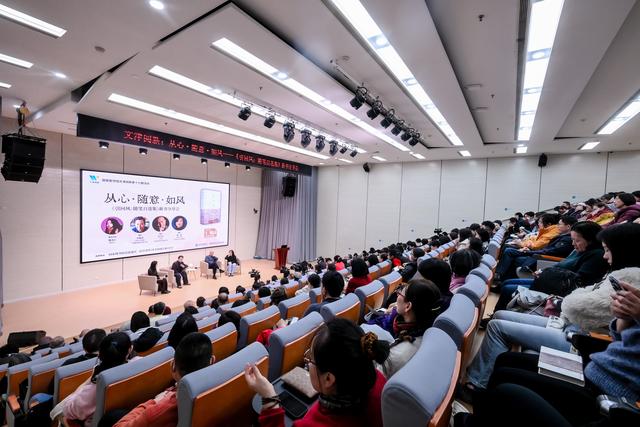
Core Viewpoint - The book "Returning Wind: Selected Essays" by writer Li Jingze is a self-reflective work that traverses literature, history, life, and philosophy, capturing the author's journey since 1993 [1] Group 1: Book Overview - The book is described as a "time book" that records the author's initial passion for writing and the scenery along the way [1] - It features a narrative style that is free and unrestrained, akin to the wind [1] Group 2: Insights from Other Authors - Award-winning author Bi Feiyu emphasized the importance of vocabulary and precise expression in good literature, praising Li Jingze's work for its rich vocabulary and elegant expression [3] - Scholar Liang Hong noted that the book reflects the author's vast inner spiritual world and connects history with individual experiences, offering profound insights into contemporary times [5] Group 3: Author's Perspective - Li Jingze expressed a desire to avoid being defined by a fixed writing style, aiming for a natural writing state that balances weighty thoughts with a light quality [7][8] - He shared insights on the writing process, emphasizing that the essence lies in maintaining a curious and passionate approach to language and expression, regardless of age [10] Group 4: Literary Value - Liang Hong highlighted the importance of continuous curiosity about the world in writing and reading, suggesting that true literature protects independent thought and expression [12]
书卷多情似故人
Xin Lang Cai Jing· 2026-01-14 22:46
Core Viewpoint - The articles emphasize the profound impact of reading on personal development, knowledge acquisition, and the pursuit of dreams, highlighting the joy and benefits derived from engaging with literature. Group 1 - The author developed a love for books from a young age, influenced by illustrated dictionaries and mythological stories, which sparked an interest in writing and language [1] - The experience of handling new books with care reflects a deep appreciation for literature, indicating that early exposure to reading fosters a lifelong passion for books [1] - The author frequently borrowed books and engaged in reading exchanges, demonstrating a proactive approach to expanding literary knowledge and interests [1] Group 2 - A wide range of reading habits was cultivated, leading to the creation of numerous reading notes, which contributed to a solid foundation for future writing endeavors [2] - The author frequented the school library and local bookstores, reinforcing the belief that extensive reading is essential for personal growth and future utility [2] - Reading is portrayed as a dialogue with talented predecessors, enriching the author's perspective and reinforcing the commitment to pursuing dreams [2] Group 3 - The articles convey that daily reading enhances personal character, knowledge breadth, and skill development, ultimately leading to a richer life experience [2] - The joy of reading is described as a source of happiness and mental wealth, emphasizing the transformative power of literature [2] - A quote from a notable figure suggests that aspiring individuals should embrace literature through reading, advocating for a life enriched by books [2]
这些书和人,启蒙了他们的写作
Jing Ji Guan Cha Bao· 2025-04-23 11:02
Core Viewpoint - The article discusses the significant impact of various books and authors on the writing journeys of different individuals, highlighting personal "enlightenment moments" that inspired their writing careers [1][2]. Group 1: Influential Authors and Works - Zhu Xuedong credits rural writers like Gao Xiaosheng and Lu Xun for inspiring his writing, emphasizing the influence of their straightforward depictions of rural life [3]. - A Yi mentions that reading Kafka's short stories liberated him from conventional literary expectations, leading him to write for personal expression rather than commercial success [4][5]. - Han Fudong identifies Richard Dawkins' "The Blind Watchmaker" and Steven Pinker's "The Better Angels of Our Nature" as pivotal in reshaping his understanding of human society and reducing violence [7][8]. Group 2: Personal Reading Experiences - Liu Jun reflects on the broader implications of reading in a world where enlightenment is often overshadowed by anti-intellectualism, emphasizing the importance of language and literature in personal growth [10][11]. - Wu Chen highlights the significance of Xu Zhuoyun's "From History to Organization" in bridging historical insights with contemporary business practices [13][14]. - Huang Jisu recalls the unique linguistic style of the Wu dialect novel "He Dian," which provided a sense of liberation through its unconventional expressions [17][18]. Group 3: Writing and Literary Influence - Zhang Xiangrong discusses how reading works by Eileen Chang helped him refine his own writing style, moving from imitation to a deeper understanding of emotional expression [19]. - Deng Anqing emphasizes the structural integrity of novels as taught by Wang Anyi, which has influenced his approach to writing [20][21]. - Shen Shuzhi describes how discovering Zhou Zuoren's works during university shaped her understanding of literature and inspired her own writing about rural life [23][24]. Group 4: Philosophical and Cultural Insights - Sun Yisheng reflects on Hemingway's "The Old Man and the Sea," realizing that the challenge of writing lies in making simple stories compelling [25][26]. - Xu Qi emphasizes the importance of integrating the teachings of "The Analects" into daily life for a deeper understanding of its principles [27][28]. - Pan Caifu shares how reading Schopenhauer's "The Wisdom of Life" profoundly influenced his worldview and personal philosophy [31][32].