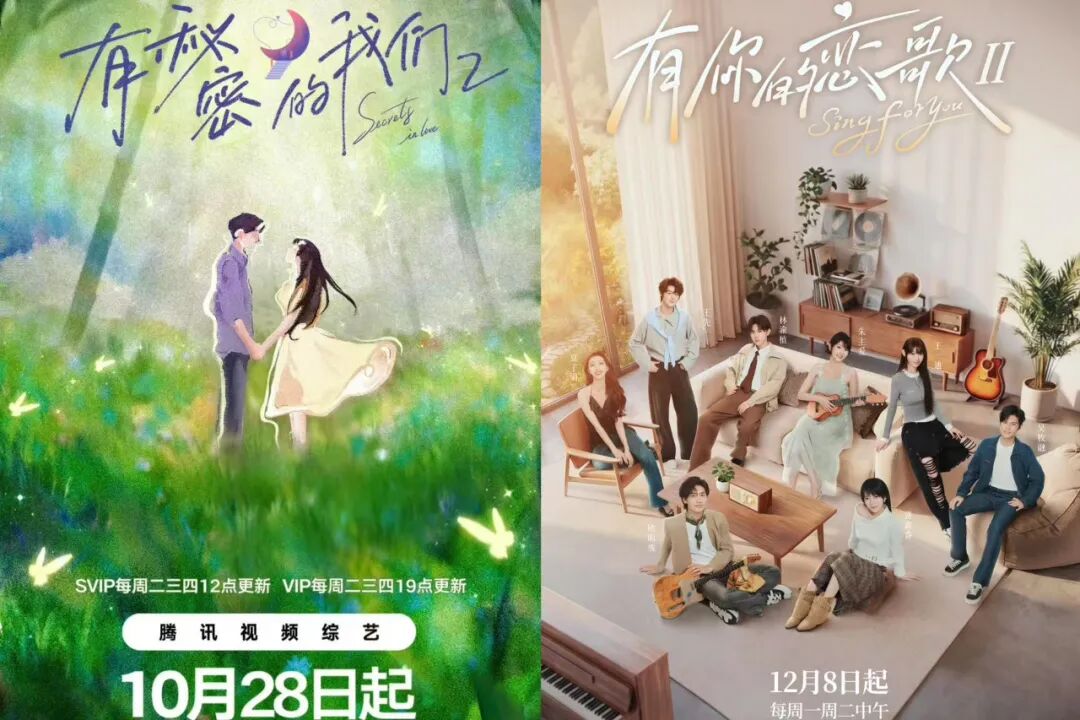
《有秘密的我们2》

Search documents
2025恋综现状:爱情退场,奇葩登场
3 6 Ke· 2025-12-16 09:48
Core Viewpoint - The evolution of dating reality shows by 2025 has shifted from romantic narratives to a focus on human behavior, resembling a "human behavior art exhibition" rather than a platform for genuine romantic connections [1][19]. Group 1: Changes in Dating Show Dynamics - Recent dating shows like "Your Love Song 2" and "We Have Secrets 2" exemplify the current trend of featuring extreme personalities, moving away from traditional romantic themes [3][4]. - The selection criteria for participants have transformed from seeking "high-value" individuals to those who can create drama and conflict, indicating a shift in audience expectations [4][19]. - The current format of dating shows is more about social experiments, showcasing a mix of influencers and ordinary people, rather than fostering genuine romantic relationships [8][23]. Group 2: Participant Behavior and Audience Engagement - Participants like "Piyou" and "Wang Zichun" illustrate the new breed of contestants who prioritize visibility and drama over authentic connections, reflecting a broader trend in the entertainment industry [6][15]. - The audience's role has evolved from passive viewers to active analysts, engaging in discussions about the participants' behaviors and motivations, thus transforming the viewing experience into a sociological study [18][25]. - The content of dating shows has shifted from romantic ideals to showcasing societal dynamics, with participants often embodying exaggerated traits that resonate with contemporary social issues [9][19]. Group 3: Industry Trends and Future Directions - The dating show industry is experiencing a significant transformation, with a focus on unpredictable and dramatic content to attract viewership, as traditional romantic narratives lose their appeal [19][25]. - New formats are emerging that reflect real-life struggles and societal issues, such as economic pressures and personal ambitions, indicating a shift towards more relatable and engaging content for audiences [21][23]. - The industry's pivot towards drama and conflict is not limited to specific shows but is a widespread trend across major dating show IPs, suggesting a fundamental change in how romantic narratives are constructed [19][25].