《某种物质》

Search documents
是流媒体让讲故事的方式变蠢,还是边看片边刷手机改变了电影
Xin Lang Cai Jing· 2026-01-23 04:27
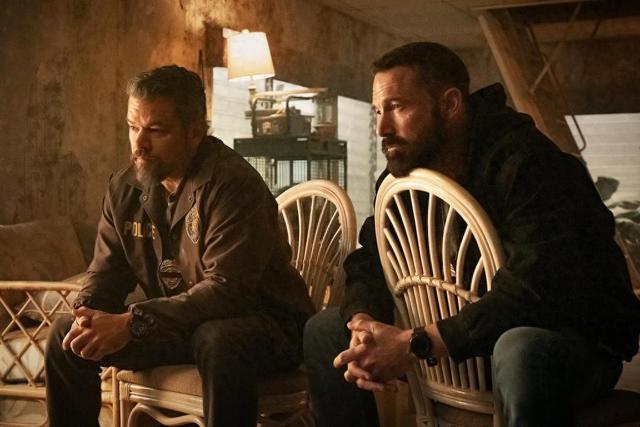
Core Insights - The discussion between Matt Damon and Ben Affleck highlights how streaming platforms like Netflix are altering narrative structures in films, leading to a trend where plot points are repeated multiple times to cater to distracted viewers [1][3][4] Streaming Industry Impact - Damon criticized Netflix's approach, stating that the platform encourages a storytelling method that compromises narrative depth, suggesting that the industry is prioritizing viewer retention over artistic integrity [1][3] - The production cost of "The Rip" is approximately $100 million, funded by Netflix, indicating the significant financial stakes involved in streaming content creation [1] Viewer Behavior Trends - The phenomenon of viewers multitasking, such as watching content while using their phones, has become prevalent, with studies indicating that 94% of viewers engage in this behavior while watching TV [10] - The podcast discussion sparked widespread online debate, with many viewers acknowledging the trend of repetitive storytelling as a response to their divided attention [6][8] Content Creation Strategies - Netflix's internal strategies involve using viewer data to understand where audiences lose interest, prompting writers to create more explicit narratives to keep viewers engaged [13][14] - The shift towards "environmental viewing" reflects a broader cultural trend where entertainment is designed to be consumed passively, allowing viewers to engage with content without full attention [14][15] Cultural Commentary - Critics argue that this trend towards simplification in storytelling may lead to a decline in artistic quality, as creators feel pressured to make content more accessible at the expense of depth [15][16] - The rise of "new literalism" in film and television is seen as a response to audience expectations for clarity, which some believe undermines the complexity of storytelling [15][16]


欧洲电影用深度抗衡好莱坞
Huan Qiu Shi Bao· 2026-01-20 23:01
Group 1 - The core viewpoint of the articles highlights the growing prominence of European cinema, particularly in contrast to Hollywood's focus on sequels and superhero films, as evidenced by the success of the 38th European Film Awards where Norwegian film "Emotional Value" won six awards including Best Film and Best Director [1][6] - The European Film Academy has strategically moved the award ceremony to January to enhance its visibility during the awards season, positioning itself more competitively against Hollywood [6] - European films are increasingly recognized for their depth and artistic value, with notable examples like "Emotional Value" and "Close to the End" showcasing serious themes and complex narratives that resonate with adult audiences [6][7] Group 2 - The articles emphasize that European films are gaining traction in international markets, with French films projected to see a 6% increase in box office revenue by 2025, indicating a robust growth trajectory [6] - The shift in focus towards serious, adult-oriented storytelling in European cinema is contrasted with Hollywood's trend of producing fewer serious dramas, allowing European films to fill this gap and attract audiences seeking deeper meaning [7] - The recognition of European films at prestigious awards like the Oscars is increasing, with multiple nominations and wins for films such as "All Quiet on the Western Front" and "Triangle of Sadness," reflecting a shift in the global cinematic landscape [6][7]

好莱坞“二代”泛滥,裙带关系连演都不演了
Xin Lang Cai Jing· 2025-09-04 10:11
Core Viewpoint - The article discusses the increasing prevalence of "nepo babies" (children of famous parents) in Hollywood and the broader entertainment industry, highlighting how their familial connections are becoming more openly acknowledged and leveraged for success [1][7]. Group 1: Nepotism in Hollywood - The article lists several prominent "nepo babies," including Maya Hawke, Jack Quaid, and Zoë Kravitz, who have successfully established their careers in the industry [1][3]. - The author notes that the current generation of "nepo babies" is more open about their backgrounds compared to previous generations, where such connections were often downplayed [7][10]. - The rise of streaming platforms has intensified the importance of recognizable names, as audiences prefer familiar figures in a content-saturated environment [7][10]. Group 2: Cultural Shift - The article emphasizes that the concept of success in Hollywood has shifted from a meritocratic ideal to one where familial connections play a crucial role in opportunities and career advancement [9][10]. - The author argues that the current landscape is not just about nepotism among actors but extends to various roles within the industry, including directors and producers, creating a pervasive culture of inherited privilege [10]. - The narrative of Hollywood as a place where anyone can succeed has faded, replaced by a reality where the selection of talent is often predetermined by their backgrounds [9][10].