《粗野派》

Search documents
是流媒体让讲故事的方式变蠢,还是边看片边刷手机改变了电影
Xin Lang Cai Jing· 2026-01-23 04:27
Core Insights - The discussion between Matt Damon and Ben Affleck highlights how streaming platforms like Netflix are altering narrative structures in films, leading to a trend where plot points are repeated multiple times to cater to distracted viewers [1][3][4] Streaming Industry Impact - Damon criticized Netflix's approach, stating that the platform encourages a storytelling method that compromises narrative depth, suggesting that the industry is prioritizing viewer retention over artistic integrity [1][3] - The production cost of "The Rip" is approximately $100 million, funded by Netflix, indicating the significant financial stakes involved in streaming content creation [1] Viewer Behavior Trends - The phenomenon of viewers multitasking, such as watching content while using their phones, has become prevalent, with studies indicating that 94% of viewers engage in this behavior while watching TV [10] - The podcast discussion sparked widespread online debate, with many viewers acknowledging the trend of repetitive storytelling as a response to their divided attention [6][8] Content Creation Strategies - Netflix's internal strategies involve using viewer data to understand where audiences lose interest, prompting writers to create more explicit narratives to keep viewers engaged [13][14] - The shift towards "environmental viewing" reflects a broader cultural trend where entertainment is designed to be consumed passively, allowing viewers to engage with content without full attention [14][15] Cultural Commentary - Critics argue that this trend towards simplification in storytelling may lead to a decline in artistic quality, as creators feel pressured to make content more accessible at the expense of depth [15][16] - The rise of "new literalism" in film and television is seen as a response to audience expectations for clarity, which some believe undermines the complexity of storytelling [15][16]



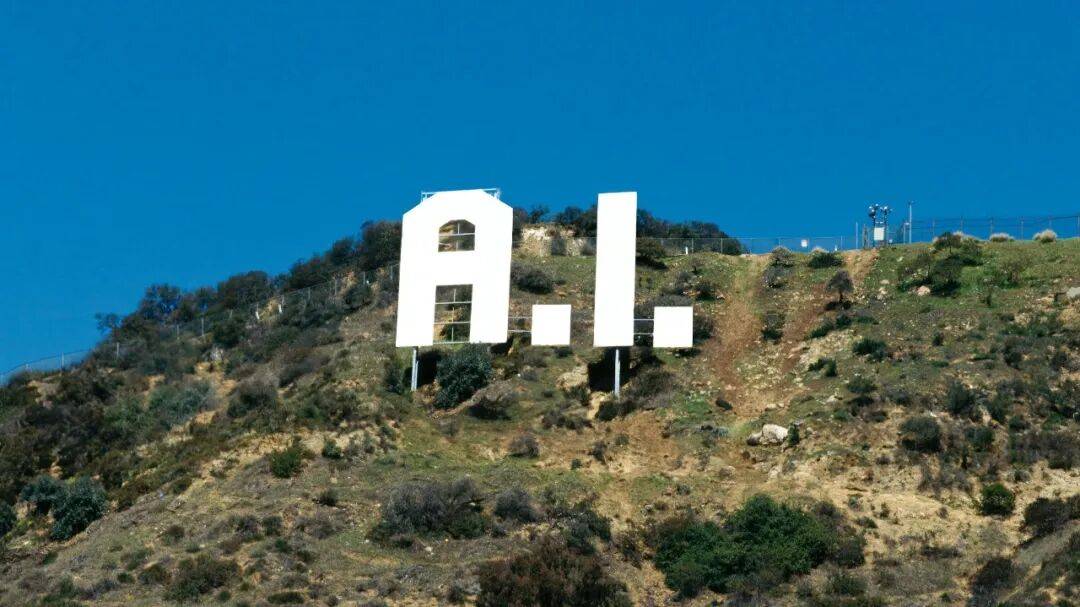
AI正在撕裂好莱坞
Hu Xiu· 2025-09-11 00:30
Core Perspective - The Venice Film Festival highlighted a growing divide in the film industry regarding the use of AI, with some filmmakers embracing it as a tool while others fear it threatens their livelihoods and the essence of art [5][6][10]. Group 1: AI in Film Production - Director Guillermo del Toro's latest film "Frankenstein" was produced with minimal digital effects, emphasizing traditional craftsmanship over AI [1][2]. - The festival featured a Reply AI film festival, showcasing both AI-generated films and traditional filmmaking, indicating a coexistence of differing perspectives [4]. - The film industry is experiencing a split between supporters and opponents of AI, with concerns about job security and the integrity of artistic expression driving the debate [5][6]. Group 2: Concerns from Opponents - Many filmmakers, including writers and concept artists, express fears that AI could replace their roles, leading to a loss of dignity and livelihood [15][26]. - The American Writers Guild (WGA) has made AI protection a core demand during strikes, fearing that AI could diminish the role of writers to mere "polishers" of AI-generated scripts [17][18]. - High-profile artists have reported significant income reductions due to studios increasingly using AI tools for concept art, leading to calls for legal protections against AI's encroachment on creative work [21][25]. Group 3: Support for AI as a Tool - Some filmmakers view AI as a powerful tool that can enhance creativity and reduce production costs, allowing for more ambitious storytelling [60][63]. - Directors like James Cameron and the Russo brothers have explored AI's potential in filmmaking, indicating a willingness to integrate AI into their creative processes [62][64]. - AI is seen as a means to upgrade technical roles in filmmaking, enabling tasks that were previously impossible or prohibitively expensive [72]. Group 4: Legal and Ethical Implications - Major studios like Disney and Universal have taken legal action against AI companies for copyright infringement, highlighting the industry's concern over intellectual property rights [29][32]. - The outcome of these legal battles could set important precedents for how AI is regulated in the film industry [36][37]. - The White House has called for input on AI regulations, reflecting the broader societal implications of AI's integration into various sectors, including film [38][40]. Group 5: Future of Filmmaking - The film industry is at a crossroads, with the potential for AI to either enhance or disrupt traditional filmmaking practices [84][85]. - Filmmakers are encouraged to adapt to AI technologies rather than resist them, as the future will likely favor those who can effectively harness AI's capabilities [94]. - The evolution of filmmaking tools, including AI, is expected to lead to new artistic forms and business models, similar to past technological advancements [85][91].

吒儿再出海!英文版《哪吒2》8月登陆北美澳新,杨紫琼加盟配音
第一财经· 2025-07-09 14:23
Core Viewpoint - The article highlights the international release of the English dubbed version of the animated film "Nezha: The Devil's Child" (referred to as "Nezha 2"), which is set to premiere in the US, Canada, Australia, and New Zealand starting August 22. The film has achieved significant box office success and critical acclaim, becoming the highest-grossing animated film globally with a total box office of $2.193 billion [1][2]. Group 1 - The English dubbed version of "Nezha 2" will be released in multiple countries, including the US, Canada, Australia, and New Zealand, starting August 22, and will be available in IMAX and 3D formats [1]. - The film is directed and written by Jiaozi and has received positive reviews and box office performance, making it the highest-grossing animated film and non-English film globally [1]. - The collaboration between A24 and CMC Pictures aims to explore new distribution models for Chinese animation in international markets, leveraging A24's expertise in promoting multicultural stories [1][2]. Group 2 - CMC Pictures has established a mature distribution network covering over 100 countries and 500 cities since launching its overseas distribution business in 2016, successfully promoting major Chinese IPs like "The Wandering Earth" and "Detective Chinatown" [2]. - The partnership with A24 is expected to enhance the international presence and influence of Chinese culture and the "Nezha" IP, allowing the film to reach diverse audiences with different viewing habits [2].

英文版《哪吒2》8月登陆北美澳新,杨紫琼加盟配音
Di Yi Cai Jing· 2025-07-09 13:09
Group 1 - The English dubbed version of "Ne Zha: The Devil's Child" will be released in the US, Canada, Australia, and New Zealand starting August 22, showcasing formats like IMAX and 3D [1] - The film has achieved significant success, becoming the highest-grossing animated film globally with a total box office of $2.193 billion, and is recognized as the highest-grossing non-English film [1] - The collaboration between CMC Pictures and A24 aims to explore new distribution models for Chinese animation in international markets, leveraging A24's expertise in promoting multicultural stories [1][2] Group 2 - CMC Pictures has established a mature distribution network covering over 100 countries and 500 cities since launching its overseas distribution business in 2016, successfully promoting major Chinese IPs like "The Wandering Earth" and "Detective Chinatown" [2] - The partnership with A24 is expected to enhance the international presence and influence of Chinese culture and the "Ne Zha" IP, allowing the film to reach diverse audiences with different viewing habits [2]
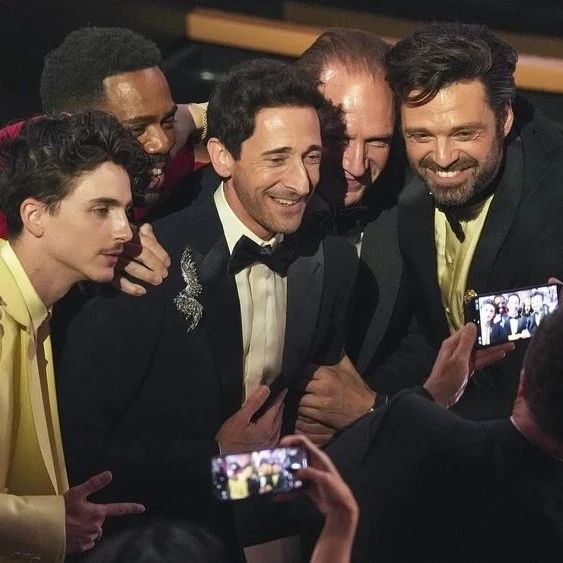
大约好莱坞的确是完了
虎嗅APP· 2025-03-04 13:32
Core Viewpoint - The article critiques the recent Academy Awards, labeling it as one of the weakest in history, highlighting a significant decline in quality and public interest in nominated films [1][2]. Group 1: Oscar Ceremony and Film Quality - The awards emphasized a "participation trophy" approach, suggesting either a lack of quality films or a need to recognize mediocre works [1]. - The film "Enola" emerged as the biggest winner, receiving five major awards, but is criticized for being a superficial representation of social issues rather than a genuine artistic achievement [2][3]. Group 2: Audience and Critic Disparity - There is a clear divide between professional critics who praise lesser-known films and general audiences who are unfamiliar with them, indicating a disconnect in cultural appreciation [2]. - The film "Enola" is portrayed as a product of elite filmmakers' superficial sympathy for marginalized groups, rather than a meaningful exploration of their lives [2][3]. Group 3: Themes and Messages in "Enola" - "Enola" follows a clichéd narrative of a stripper who enters a tumultuous relationship with a wealthy man, ultimately leading to disillusionment [3][4]. - The film presents a problematic view of sex work, portraying it as a form of empowerment while neglecting the exploitation and struggles faced by sex workers [4][5]. Group 4: Cultural Reflection and Critique - The article argues that the film's portrayal of freedom and choice in sex work is misleading, equating a lack of shame with true liberation [5][6]. - The narrative suggests that the pursuit of love and marriage can lead to a loss of personal agency, contrasting with more empowering depictions in earlier films [6][7]. Group 5: Broader Implications for Hollywood - The article posits that Hollywood has shifted from presenting genuine struggles to romanticizing the lives of marginalized individuals, reflecting a broader cultural decline [7][8]. - The success of films like "Enola" at the Oscars symbolizes a departure from traditional values and a failure to address deeper societal issues [8][9]. Group 6: Audience Reception and Industry Trends - The article notes a growing discontent among audiences regarding the quality of films, as evidenced by the declining ratings for "Enola" post-Oscar win [10][11]. - The ongoing criticism of Hollywood's direction suggests a potential crisis in the industry, with calls for a reevaluation of its cultural narratives and values [11][12].