《江城》

Search documents
年度阅读|关于现代性、乌托邦、“媚俗”、九十年代与当下
Xin Lang Cai Jing· 2026-02-23 03:50
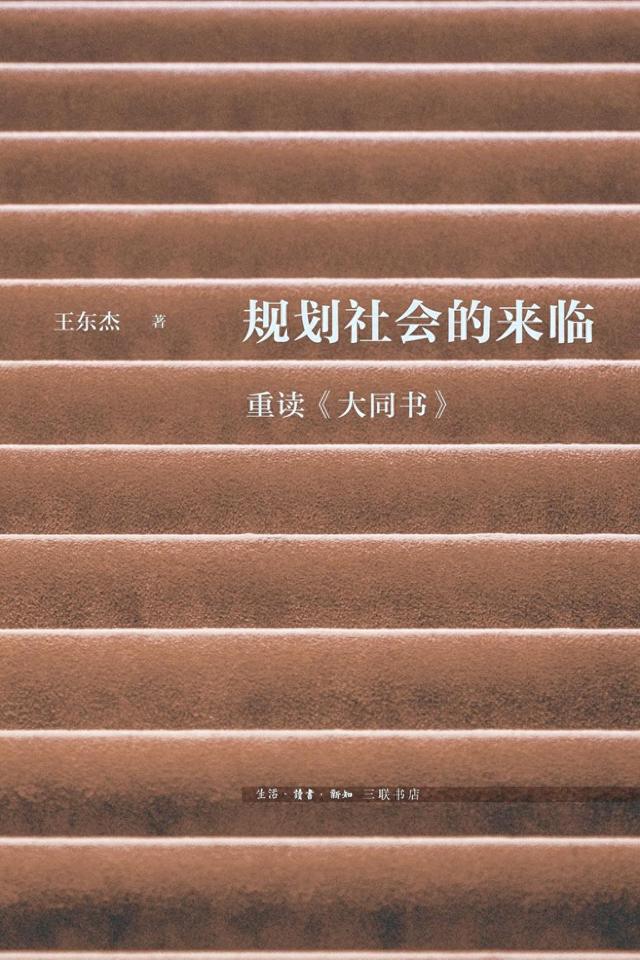
Group 1 - The article discusses the themes of modernity, utopia, and the relationship between the 1990s and the present through the lens of various literary works [2][6][18] - Wang Dongjie’s book "The Arrival of the Planned Society: Re-reading 'The Book of Great Unity'" explores the historical context of modernity in China and critiques the optimistic views of utopia presented by Kang Youwei [2][4] - Milan Kundera's works, particularly "Life is Elsewhere" and "The Unbearable Lightness of Being," are referenced to illustrate the concept of kitsch and its implications for utopian ideals [6][8][9] Group 2 - Liu Jiakun, a prominent architect, won the Pritzker Prize in 2025 and is known for his innovative architectural designs that reflect local characteristics [11][12] - His novel "The Moonlight Concept" critiques the radical modernist practices and collective utopian ideals of the past, showcasing the tension between idealism and reality [12][13][17] - The narrative in "The Moonlight Concept" reflects on the ruins of utopian projects and the potential for re-utilization, emphasizing the relationship between architecture and memory [13][14][16] Group 3 - Peter Hessler, known as He Wei in Chinese, provides a unique perspective on the changes in China through his non-fiction works, capturing the essence of the 1990s and its impact on contemporary society [18][20] - His writings highlight the contrast between the past and present, focusing on the lives of ordinary people and their struggles for better futures amidst rapid changes [21][22] - The discussion of the Three Gorges Project in relation to the city of Fuling illustrates the broader themes of destruction and rebirth in urban environments [23][24]

第一财经年中人文书单发布,在阅读与旅行中穿透历史
Di Yi Cai Jing· 2025-08-17 11:16
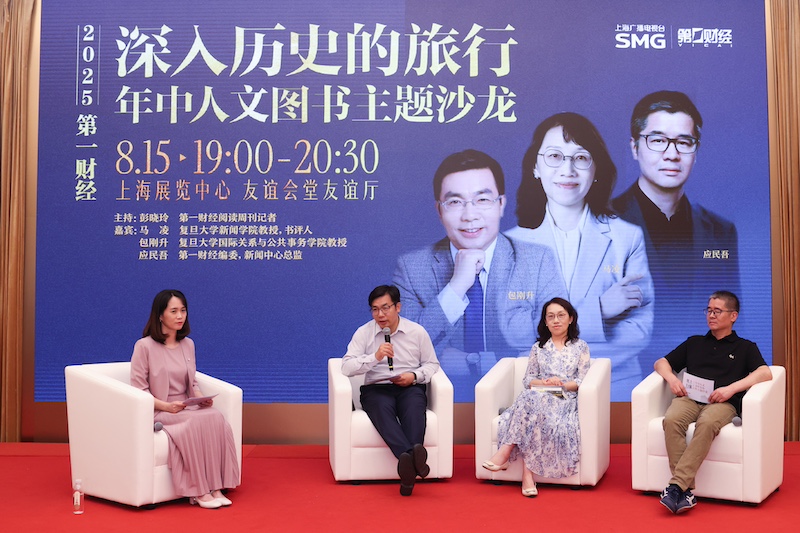
Core Viewpoint - The article discusses the importance of humanities reading in financial media, emphasizing the need for a balance between economic reporting and cultural understanding, as articulated by First Financial's editor-in-chief Yang Yudong [15][17]. Group 1: Importance of Humanities in Financial Media - First Financial has maintained a humanities section since its inception in 2004, inspired by leading international media that incorporate cultural reporting [15]. - Despite the challenges faced by traditional media, First Financial has continued to publish a reading column, demonstrating a commitment to in-depth reporting on literature and humanities [15][17]. - Yang Yudong believes that as society evolves, there is a growing need for humanities and social sciences content, reflecting a shift in public interest towards deeper societal issues [17]. Group 2: Insights from Scholars and Authors - Professor Bao Gangsheng emphasizes the value of travel in understanding political history, having traveled over 8,000 kilometers in the U.S. and 30,000 kilometers in China to gain insights into historical contexts [3][5]. - Professor Ma Ling highlights the rise of travel literature in China, noting that the interest in travel has surged alongside economic development, leading to an increase in related publications [6][8]. - The article mentions the success of travel literature in the domestic book market, with notable works gaining popularity and reviving classic travel narratives [8]. Group 3: 2025 Humanities Book List - The 2025 First Financial mid-year humanities book list includes titles such as "The Nine Incense Sticks of Global History" and "The Shadow of the Sun: A Journey into Africa," showcasing a diverse range of topics [13][19]. - The book list aims to promote significant works that reflect on human experiences and societal issues, aligning with the publication's commitment to humanities reporting [13].