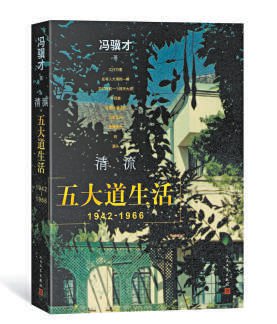
《清流:五大道生活(1942—1966)》

Search documents
冯骥才写父辈往事与童年生活
Xin Lang Cai Jing· 2026-02-15 06:20
《清流:五大道生活(1942—1966)》 冯骥才 著 人民文学出版社 "我真正在写的时候,还是特别怀念和神往我童年的时代、少年的时代,在父母的保护下,像清流那样 透亮地、真诚地、快乐地活着。"作为一个在租界区里长大的孩子,冯骥才先生反而对老城充满了文化 兴趣。正如他在《清流》书中所写:"对于我,天津有另一种很特殊的魅力,它有两个完全不同的城 区,两种完全不同的景象、形象与气质,两种不同的文化。"冯骥才写了天津城市的独特性,在于以码 头文化为起源、说天津话的老城,和以西洋文化为主、说国语的租界区,两个城区虽然社会结构和生活 文化截然不同,但并不分裂对立,而是融合的,共同体现了天津人开放包容的本质。 84岁的冯骥才即将迎来人生的第七个本命马年,谈到新的一年,他说自己没有养老的规划,因为想做的 事情还很多,"一是刚刚落成的博物馆需要做得更精,做得更好;二是非遗学科建设,包括理论体系和 知识体系的搭建,还要为文化遗产的保护和传承培养更多人才。我现在把画画放下了,因为事太多。但 是写作没有放下。"他透露,自己新写了一篇小说《会吃》,讲天津人吃鱼的本事,但离新一部《俗世 奇人》交稿还需要时间:"我也不知道哪天,反正我不 ...

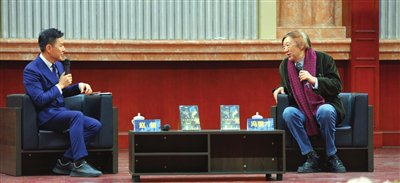
深情之作回望城市文化记忆
Xin Lang Cai Jing· 2026-01-17 21:49
Core Viewpoint - The discussion around the new book "Clear Stream: Life in Wudadao (1942-1966)" by Feng Jicai highlights the intertwining of personal, familial, and urban histories, emphasizing the cultural significance of Wudadao in Tianjin [3][4]. Group 1 - Feng Jicai's latest non-fiction work serves as a key to understanding his artistic creation, detailing how his early life experiences shaped his character and worldview [3]. - The book narrates personal and family stories, reflecting on the cultural essence and historical context of Wudadao, thus providing a window into the evolution of urban culture [3][4]. - The dialogue between Feng Jicai and Zhao Pu emphasizes the importance of cultural memory and identity, warning against the loss of unique urban characteristics [4]. Group 2 - Feng Jicai expresses a commitment to cultural heritage preservation, viewing it as a vital mission for cultural figures, akin to preserving a family album [4]. - The conversation reveals the duality of Tianjin's urban landscape, showcasing its diverse cultural and historical narratives that inspire creativity [4]. - At 84, Feng Jicai remains active in his work, focusing on museum development and intangible cultural heritage, while continuing his writing endeavors [4].