
文化遗产保护

Search documents
古厝寻“她”,归于四月人间
Xin Lang Cai Jing· 2026-02-27 23:36
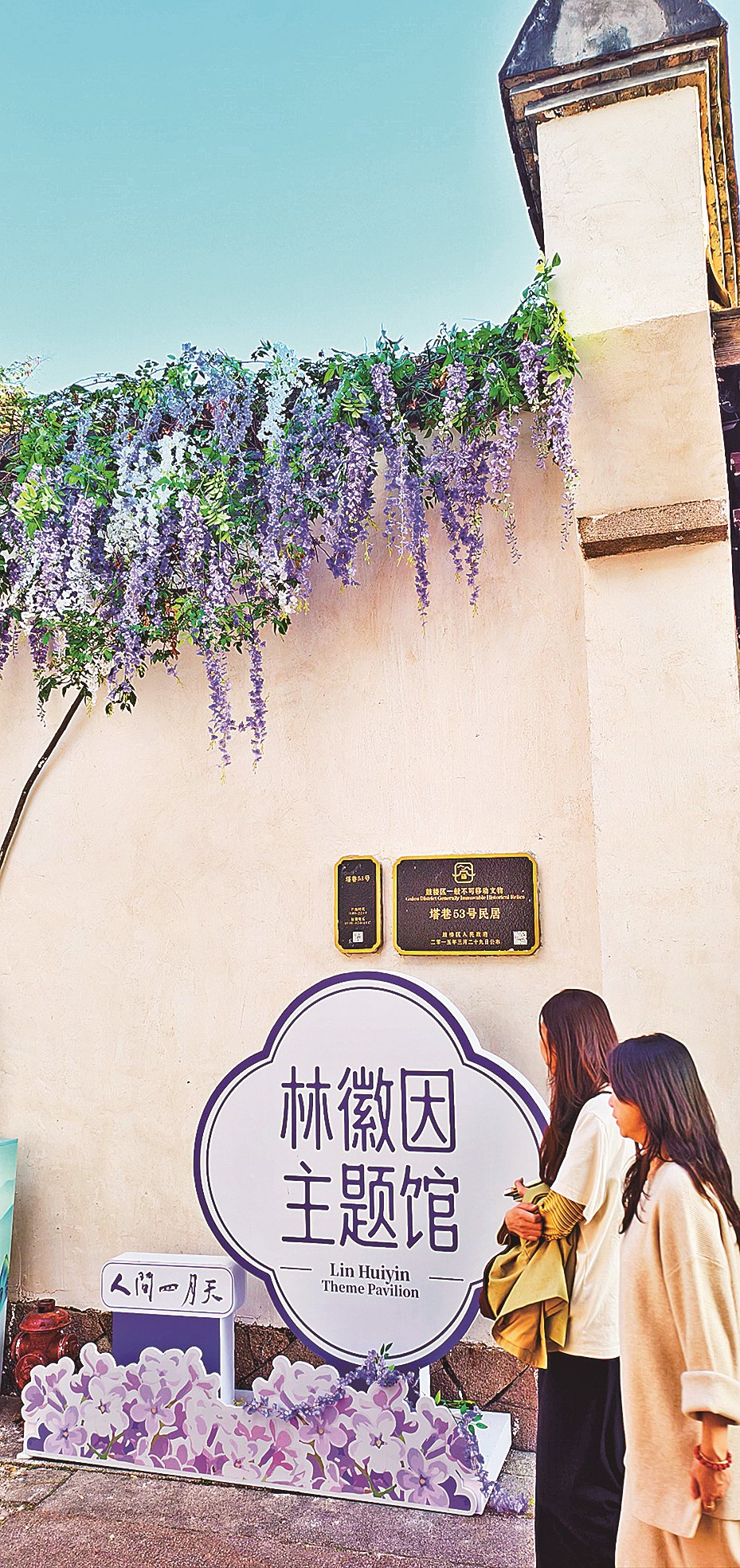
Core Viewpoint - The article highlights the opening of the Lin Huiyin Theme Museum in Fuzhou, celebrating the life and contributions of Lin Huiyin, a prominent figure in Chinese culture and architecture, particularly during the Spring Festival period, attracting numerous visitors to explore her legacy and cultural heritage [11][12]. Group 1: Museum Opening and Activities - The Lin Huiyin Theme Museum opened for trial operation on February 13, featuring the exhibition "April Days in the Human World - Lin Huiyin from Fuzhou's Ancient Houses," which has drawn significant public interest [11]. - The museum offers an immersive experience with various activities, including performances and guided tours, allowing visitors to engage with Lin Huiyin's life and work [8][9]. - The exhibition is structured into six chapters, showcasing Lin Huiyin's contributions to cultural heritage and her personal journey, aiming to make her story accessible to all visitors [11][12]. Group 2: Cultural Significance and Heritage - Lin Huiyin is recognized as a cultural heritage guardian, being the first female architect in New China and contributing to significant national projects, including the design of the national emblem and the People's Heroes Monument [7][11]. - The museum features rare artifacts, including personal letters and clothing, which provide insights into her life and the historical context of her contributions during the Anti-Japanese War [12][13]. - The theme museum represents a culmination of six years of efforts to enhance the cultural influence of Fuzhou's intangible cultural heritage, with previous exhibitions receiving widespread acclaim and attracting over 5 million visitors [13]. Group 3: Future Plans and Cultural Exchange - Future exhibitions and cultural exchange activities are planned, including a significant event in Hungary to celebrate the 76th anniversary of China-Hungary diplomatic relations, showcasing Lin Huiyin's impact on cultural dialogue [14]. - The museum aims to foster a deeper understanding of Lin Huiyin's legacy and her role in cultural preservation, inviting visitors to engage with her story in a meaningful way [14][15].

老街区绽放新活力
Xin Lang Cai Jing· 2026-02-26 19:41
Group 1 - The core theme of the news is the revitalization of the Bayi Sugar Factory cultural and creative street, which aims to blend historical preservation with cultural tourism experiences [1][2] - The project officially launched in 2024, focusing on urban space development that integrates historical protection and cultural tourism [2] - The Bayi Sugar Factory, established in 1959, was one of the first large-scale sugar production enterprises in China, significantly impacting the sugar supply in Xinjiang [1] Group 2 - The city of Shihezi has adopted a strategy of "protection first, inheritance priority," promoting the mutual empowerment of military reclamation heritage protection and tourism development [1] - The project includes infrastructure improvements such as water, electricity, heating network upgrades, new roads, and a 1,500 square meter central square, alongside green space and smart monitoring system enhancements [2] - Over 20 events have been held in the cultural street since 2024, including a university music festival and a model competition, aimed at immersing citizens and tourists in the local culture [2]
80余项非遗获得系统性保护
Xin Lang Cai Jing· 2026-02-24 23:26
Core Viewpoint - The Gansu Provincial Government is actively engaging in a year-long public interest litigation initiative aimed at protecting cultural heritage, focusing on various key areas such as the Great Wall and historical buildings [1][2] Group 1: Initiative Overview - The Gansu Provincial Procuratorate launched the "Guarding the Cultural Heritage of Longyuan" public interest litigation initiative in January 2025, set to last for one year [1] - The initiative aims to establish a collaborative protection framework involving prosecutorial supervision, administrative duties, and social participation [1] Group 2: Achievements and Statistics - As of December 2025, the Gansu Provincial Procuratorate has identified over 280 cultural heritage-related case clues, initiated 241 cases, and proposed 236 prosecutorial suggestions [1] - The initiative has led to the filing of 8 public interest lawsuits, the restoration and protection of over 230 immovable cultural relics, and the elimination of over 300 safety hazards in cultural heritage sites [1] - The total amount of restoration costs and damages recovered exceeds 50 million yuan, with over 80 intangible cultural heritage items receiving systematic protection [1] Group 3: Collaborative Efforts and Mechanisms - The Gansu Provincial Procuratorate is working with various departments, including cultural heritage, tourism, and natural resources, to establish mechanisms for regular information sharing and joint inspections [2] - The initiative includes the appointment of experts in cultural heritage and history as special assistant prosecutors to enhance case accuracy through professional support [2] - Advanced technologies such as satellite remote sensing and drones are being utilized to monitor and address violations against cultural heritage, particularly in remote areas [2] Group 4: Addressing Systemic Issues - The Gansu Provincial Procuratorate is addressing common and deep-rooted issues in cultural heritage protection by submitting special reports to local governments and issuing social governance prosecutorial suggestions [2] - The goal is to promote the establishment of regulations and mechanisms within administrative agencies to ensure the sustainability of the initiative's outcomes [2]
愿更多人步入“没有围墙的大学”
Xin Lang Cai Jing· 2026-02-19 17:50
Group 1 - The increasing popularity of museums as a travel and vacation choice reflects a growing interest in local history and culture, showcasing the political, economic, and cultural development of regions [1] - The rise of the "museum fever" in recent years is attributed to the government's emphasis on cultural heritage, effective promotion of museums, extended opening hours, and the implementation of free admission policies, which have lowered barriers for public access [1] - Museums are becoming a vital educational resource, bridging school education and cultural knowledge, allowing both children and adults to engage with historical artifacts and understand the richness of their heritage [2] Group 2 - The growing number of visitors to museums is contributing to a deeper cultural confidence within society, establishing strong roots in cultural identity [3]
新春走基层 | 长城脚下,守护在接力
Xin Lang Cai Jing· 2026-02-17 08:04
Core Viewpoint - The article highlights the dedication of Mei Jingtian, an 82-year-old villager, who has been protecting the Great Wall near Shixia Village for over 40 years, emphasizing the importance of cultural heritage preservation and the evolving efforts in safeguarding this historical site [1][2][4]. Group 1: Individual Efforts in Preservation - Mei Jingtian began his solitary mission to protect the Great Wall in the 1980s, walking over 20 kilometers to clear debris and protect the site from natural and human-induced damage [1][2]. - He recalls the deterioration of the Great Wall due to erosion and vandalism, which motivated him to take action [1][2]. - His efforts have led to a noticeable decrease in the destruction of the Great Wall, with fewer instances of locals removing bricks for personal use [2][4]. Group 2: Organized Protection Initiatives - In 2007, the establishment of the Shixia Village Great Wall Volunteer Protection Association marked a shift towards organized efforts in safeguarding the Great Wall [4]. - By 2019, a systematic team of Great Wall protectors was formed in Yanqing District, including Mei Jingtian's family members, who now carry on the legacy of protection [4][6]. - The new generation of protectors utilizes technology, such as a dedicated app for tracking their patrols, and focuses on preventing vandalism and maintaining the site [4][6]. Group 3: Community and Cultural Impact - The increased societal focus on cultural heritage has led to improved protection measures, including the implementation of the Beijing Great Wall Protection Regulations [6]. - The village has seen tangible benefits from these efforts, such as the construction of safe hiking trails and viewing platforms for tourists, enhancing both preservation and local tourism [6]. - Local residents have become involved as volunteer guides, sharing the history of the Great Wall and their hometown, reflecting a community commitment to both preservation and development [6][8].

江源近观话非遗 明日相约看盛景
Xin Lang Cai Jing· 2026-02-15 17:59
Core Viewpoint - The article emphasizes the importance of cultural heritage protection and the creative transformation and innovative development of traditional Chinese culture, particularly during the Spring Festival celebrations in Qinghai [1] Group 1 - General Secretary Xi Jinping places high importance on the protection of cultural heritage [1] - The Spring Festival is highlighted as a time when intangible cultural heritage is celebrated, showcasing vibrant local customs in Qinghai [1] - The Qinghai Daily will publish a significant themed report titled "A Close Look at the Source" focusing on the transmission of intangible cultural heritage during the New Year [1] Group 2 - Qinghai Radio and Television Station will simultaneously launch a program titled "A Close Look at the Source" that features the theme of intangible cultural heritage during the Spring Festival [1]
冯骥才写父辈往事与童年生活
Xin Lang Cai Jing· 2026-02-15 06:20
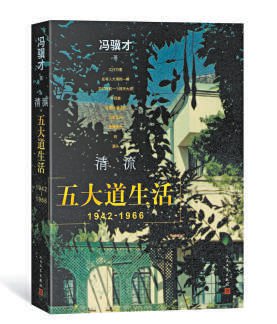
Core Viewpoint - The new essay collection "Qingliu: Life on Wudadao (1942-1966)" by Feng Jicai explores the unique cultural and historical essence of Tianjin's Wudadao area, reflecting on personal and familial experiences during the 1940s to 1960s [2][3] Group 1 - The book details family memories, emotional stories, and personal experiences of education, work, and relationships, showcasing the cultural richness of the Wudadao region [2] - "Qingliu" serves as a continuation of Feng Jicai's previous works that document fifty years of cultural life, focusing on the origins of his life journey [2] - Feng Jicai emphasizes the significance of childhood as a "clear stream" in life, shaped by familial protection and curiosity about the world [2] Group 2 - The author expresses a deep cultural interest in Tianjin, highlighting the contrast between the old city with its dock culture and the foreign concession area characterized by Western influences [3] - Feng Jicai notes that despite the differences in social structure and cultural life between the two areas, they coexist harmoniously, reflecting the open and inclusive nature of Tianjin's people [3] - At 84 years old, Feng Jicai has no plans for retirement, focusing instead on enhancing his newly established museum and contributing to the preservation and transmission of cultural heritage [3]
五福道缘文化(深圳)有限公司成立,注册资本9000万人民币
Sou Hu Cai Jing· 2026-02-10 01:02
Group 1 - A new company, Wufu Daoyuan Culture (Shenzhen) Co., Ltd., has been established with a registered capital of 90 million RMB [1] - The legal representative of the company is Zhan Yingying, and it is jointly held by Mingliu Culture (Hangzhou) Co., Ltd. (78% stake) and Zhejiang Xinyue Building Materials Co., Ltd. (22% stake) [2] - The business scope of Wufu Daoyuan includes art and collectible appraisal services, sales of intelligent manufacturing equipment, venture capital (limited to investments in unlisted companies), technology intermediary services, film production services, supply chain management, research and development of intelligent robots, cultural heritage protection, and management of cultural venues [2] Group 2 - The company is classified under the manufacturing industry, specifically in the chemical raw materials and chemical products manufacturing sector [2] - The registered address of Wufu Daoyuan is located at Building B, No. 6-1, Huangwu Road, Tongle Community, Longgang District, Shenzhen [2] - The company is a limited liability company with an operational period extending until February 9, 2026, with no fixed term thereafter [2]
资阳市政协主席焦杨:加强濛溪河遗址保护利用,擦亮独特魅力的远古华章文化名片
Zhong Guo Fa Zhan Wang· 2026-02-09 08:23
Core Viewpoint - The Mozhi River site in Ziyang, recognized as a "world-class all-element Paleolithic site," has been selected as one of the top ten archaeological discoveries in China for 2024, providing a unique cultural asset for the Chengdu-Chongqing economic circle and supporting Sichuan's goal of becoming a cultural strong province [1]. Group 1: Protection and Excavation - It is recommended to upgrade the protection level and expand excavation results by applying for national key cultural heritage status and including it in major project plans to benefit from special policies for large site protection [3]. - Establishment of a provincial-level major archaeological project with dedicated funding and a stable growth mechanism is suggested to support digital protection, organic artifact restoration, and security upgrades [3]. Group 2: Academic Leadership and Value Interpretation - The formation of a "Mozhi River Site Research Institute" is proposed to integrate top academic resources and conduct significant research projects, aiming to include it in China's major archaeological project system [4]. - Establishment of a provincial-level laboratory for the protection and utilization of Paleolithic artifacts is recommended, along with collaboration with universities and enterprises for technical research and talent development [4]. Group 3: Display System and Utilization - Support for the construction of a Mozhi River site museum and a national archaeological park is suggested, integrating the site into the provincial public cultural service system [4]. - Development of unique products such as archaeological education, science popularization, and outdoor exploration is encouraged to transform cultural value into developmental momentum [4].
光化门增韩文牌匾?韩激烈争论
Xin Lang Cai Jing· 2026-02-09 05:51
Core Viewpoint - The ongoing debate in South Korea regarding the use of characters on the Gwanghwamun gate's plaque has intensified, with the government considering adding a Korean plaque alongside the existing Chinese characters to emphasize the significance of the Korean language as a cultural symbol [1][2] Group 1: Government Proposal - The South Korean Minister of Culture, Sports and Tourism, Choi Hwi-young, reported to President Yoon Suk-yeol about the plan to add a Korean plaque while retaining the existing Chinese character plaque, aiming to highlight the Korean language's cultural importance [1] - The proposal will undergo expert validation and public opinion gathering, with Choi stating that it is inappropriate for a country with a globally recognized writing system to only display Chinese characters [1] Group 2: Historical Context and Controversy - The issue of the Gwanghwamun plaque has been a focal point of political and cultural debate in South Korea since the 20th century, with changes made to the plaque in 1968 and 2010 due to various concerns [1] - Scholars express concerns that adding new elements to cultural heritage may compromise its original appearance, while others criticize the push for a dual plaque system without societal consensus [1][2] Group 3: Public and Academic Opinions - Public opinions are divided, with some tourists believing that the Chinese character plaque obscures the identity of Korea, while others argue for preserving the original appearance of the cultural heritage [2] - Academic perspectives also vary, with some experts advocating for maintaining the original form of cultural heritage and questioning the visual harmony of having both Chinese and Korean plaques [2]