
《滕王阁序》

Search documents
滕王阁凭栏
Xin Lang Cai Jing· 2026-02-05 23:24
(来源:中国旅游报) 转自:中国旅游报 □ 闻 立 到了南昌,滕王阁一定是要来的。只是天公不作美,碰上了雨天,冬日的寒意夹杂着赣江的水汽,一层 一层漫上来,将这座朱红的楼阁裹在一片寂静里。不过也好,这样的天气,游人稀疏,正合我独自凭栏 的心境。 滕王阁的每一层,都有开阔的廊,登高望远,视野极佳。放眼望去,雨中的赣江茫茫一片,水天连在一 处,分不出界线。几只货船,成了笔尖无意中滴下的几个灰点,慢得几乎看不出在移动。这景象, 与"落霞与孤鹜齐飞,秋水共长天一色"描绘的明艳,实在大相径庭。没有霞光,没有孤鹜,只有这淅淅 沥沥、无边无际的冬雨,将天地万物,调和成一幅灰暗的水墨画。 站在这水墨画的中心,我想起了那个青年。 然而,这光华太耀眼,也太短暂了。 千百年来,滕王阁毁了又建,建了又毁,如今早已不是当年的模样。那场盛宴,连同那些达官显贵的名 字,也都化作尘土,消散在历史风云里。唯有那篇即兴写就的《滕王阁序》,连同那个英年早逝的身 影,依旧牢牢地嵌在这片水天之间。这不全是文字的胜利,更像是时间做出的一个证明:生命可以短暂 如流星,其光芒却能与江河同久。个人的悲欢、际遇的穷达,在永恒的时空里固然渺小如尘,但那份对 美的 ...
人生失意时,一定要读王勃的《滕王阁序》
洞见· 2025-12-05 12:38
洞见 ( DJ00123987 ) —— 不一样的观点,不一样的故事, 3000 万人订阅的微信大号。点击标题下蓝字 " 洞见 " 关注,我们将为您提供有价值、有意思的 延伸阅读。 作者:CC 来源:每晚一卷书 (ID: JYXZ89896) 君子见机,达人知命。 ♬ 点上方播放按钮可收听洞见主播佳音朗 读音频 有人说:"得意时要读一读《滕王阁序》,失意时更要读一读《滕王阁序》。" 《滕王阁序》被誉为千古第一奇文,到今时今日,它的价值早已无法估量。 你得意时去读,其中世事无常的观念,能让你深思沉淀,不至于忘乎所以; 等你失意的时候再去读,你又会发现,与文中的人物相比,你的人生其实要幸运十倍不止。 如果此时你正处在人生失意潦倒的时刻,一定要好好去读。 只有你真正读懂了它,你才能看淡得失,看破悲喜,坦然接受命运的起伏与安排。 (上下滑动即可查看全文) 人生不如意之事十之八九,荣枯有数,得失难量。 王勃曾借《滕王阁序》感慨自己的命运:"时运不齐,命途多舛。" 他本是一个天才少年,既有显赫的家世,又有过人的才智。 据史料记载,他6岁能写诗,9岁注史书,12岁学医,16岁时又做了官…… 这十多年的生涯,对他来说,可谓是 ...


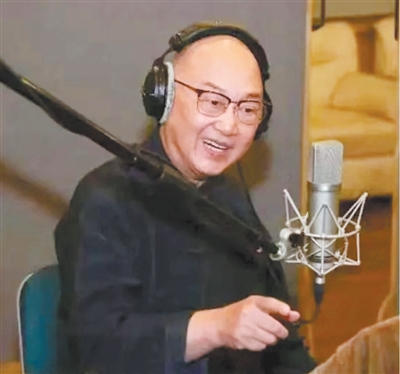
“生命是用来创造的”(人物)
Ren Min Ri Bao· 2025-12-03 22:29
Core Viewpoint - The article highlights the lifetime achievements of Qiao Zhen, an esteemed voice actor in Chinese cinema, who was awarded the China Federation of Literary and Art Circles Lifetime Achievement Award at the 38th Golden Rooster Awards, emphasizing his dedication to the art of voice acting and his philosophical approach to life and creativity [2]. Group 1: Career Highlights - Qiao Zhen graduated from Shanghai Theatre Academy in 1965 and began his career at Shanghai Film Studio, later transitioning to voice acting at Shanghai Dubbing Studio in 1970, where he has voiced over a thousand characters in a career spanning more than 60 years [2][3]. - He is known for his ability to portray diverse characters, including the sensitive officer Roy in "Brief Encounter" and the charming officer Osvaldo in "Yessenia," showcasing his versatility and dedication to each role [3]. Group 2: Artistic Philosophy - Qiao Zhen's artistic philosophy revolves around the concept of "clearing the mind and observing the way," focusing on capturing the soul of characters and achieving a deep connection with them [5]. - He believes that every live performance brings new feelings, which cannot be replicated by AI technology, emphasizing the irreplaceable nature of human expression in art [5]. Group 3: Cultural Contributions - Qiao Zhen has a profound appreciation for Chinese culture, often performing classical poetry, notably Bai Juyi's "Song of Everlasting Regret" and "Pipa Song," which he interprets with dramatic flair, creating vivid imagery and emotional depth [6]. - He has also contributed to the creation of the recitation drama "Red Proverb," which highlights the works of revolutionary figures, showcasing the power of belief and beauty through his performances [6]. Group 4: Personal Resilience - Despite facing significant health challenges, including three bouts of cancer, Qiao Zhen has demonstrated remarkable resilience, using his life experiences to enhance his artistic expression [7]. - His performances often reflect his personal struggles, adding depth and authenticity to his interpretations of classic works, such as Lu You's "Chai Tiao Feng" and Li Bai's "The Difficult Road to Shu" [7].
当你真正读懂了王勃的《滕王阁序》,你就知道怎样与这个世界相处
洞见· 2025-07-22 09:56
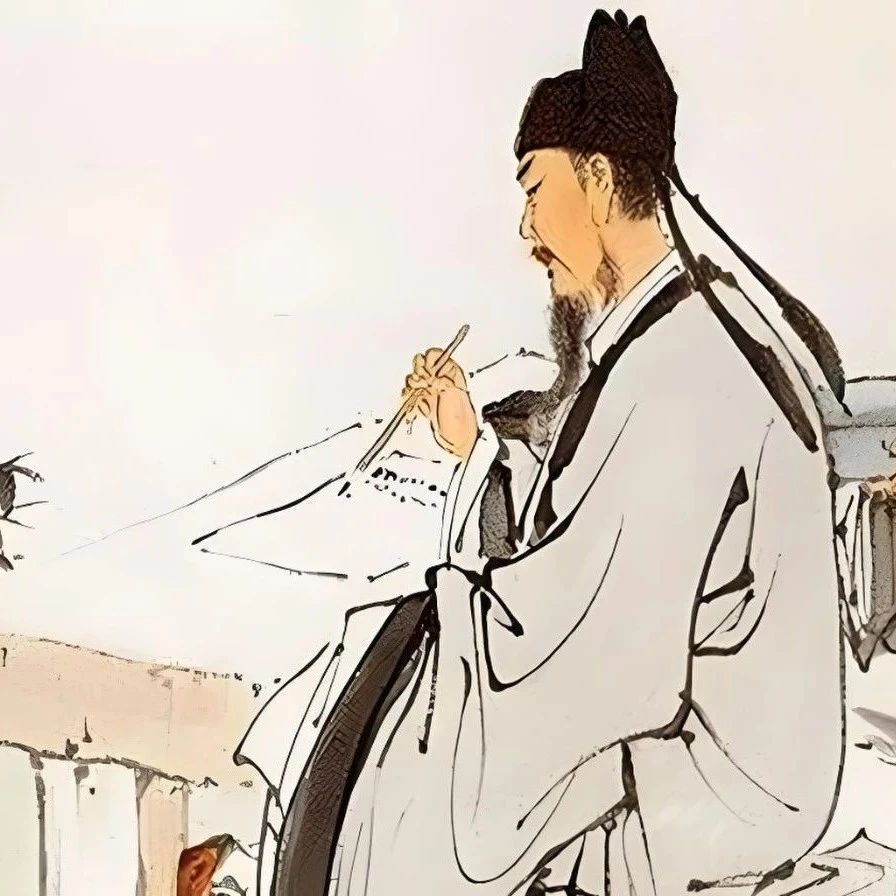
Core Viewpoint - The article reflects on the life and legacy of Wang Bo, emphasizing the transient nature of human existence and the importance of accepting one's role as a passerby in the world [9][110]. Group 1: Wang Bo's Early Life and Talents - Wang Bo was born in 650 AD into a scholarly family, showcasing exceptional talent from a young age [11][12][14]. - By the age of 14, he had already made a name for himself by addressing the prime minister with insightful critiques [18][19]. - His early works, including a farewell poem at 16, demonstrated profound understanding and maturity beyond his years [21]. Group 2: Career Challenges and Personal Struggles - Despite his promising start, Wang Bo faced setbacks due to his impulsive nature and conflicts with authority, leading to imprisonment [34][36]. - After being released, he distanced himself from official positions and focused on writing, reflecting on his relationship with the world [40][41]. Group 3: The Creation of "Tengwang Ge Xu" - Wang Bo's participation in a literary gathering at the Tengwang Pavilion led to the creation of "Tengwang Ge Xu," which showcased his literary brilliance [44][56]. - The poem begins with vivid imagery and transitions into reflections on the impermanence of life and the insignificance of personal achievements in the grand scheme [66][70]. - The work ultimately highlights the idea that individuals are merely travelers in life, emphasizing acceptance of one's transient existence [73][120]. Group 4: Legacy and Final Days - "Tengwang Ge Xu" garnered admiration from Emperor Gaozong, who intended to reinstate Wang Bo, but he had already passed away [113][115]. - Wang Bo's life, though short, left a lasting impact, symbolizing the fleeting nature of talent and existence [116][118].
赣江记得所有名字(文思)
Ren Min Ri Bao· 2025-06-20 21:41
Core Viewpoint - The article highlights the historical and cultural significance of the Gan River and its impact on Jiangxi's development, emphasizing the connection between the river and the region's prosperity and talent cultivation [1][2][3]. Group 1: Historical Significance - The Gan River has played a crucial role in shaping Jiangxi's history and civilization, serving as a vital transportation route that connects different regions of China [2][3]. - Historical figures from Jiangxi, such as Ouyang Xiu and Wang Anshi, have significantly influenced Chinese history and culture, with their achievements deeply rooted in the region's development [1][2]. Group 2: Cultural Impact - The Gan River is not only a natural entity but also a cultural symbol, inspiring renowned poets like Wang Bo and Su Shi, who have immortalized its beauty in their works [3][4]. - The cultural legacy of the Gan River continues to thrive, contributing to Jiangxi's identity as a center of education and talent [2][3]. Group 3: Future Prospects - The potential construction of the Gan-Yue Canal is expected to enhance the economic connectivity of Jiangxi, further solidifying its strategic importance in national logistics and trade [3][4]. - The ongoing development initiatives in the Yangtze River Economic Belt and the ecological protection of the Yellow River are expected to bring new opportunities for the Gan River [4][5].