
《理想国》

Search documents
书法艺术不应被参数复刻
Xin Lang Cai Jing· 2026-01-10 07:05
Core Viewpoint - The essence of art, particularly in calligraphy, lies not in its technical replication but in the emotional and spiritual expression that cannot be quantified by technology [1] Group 1: Art and Technology - Artificial intelligence can replicate the physical aspects of calligraphy, such as brush strokes and ink colors, but fails to capture the emotional depth and spirit of the artwork [1] - The historical significance of calligraphy is highlighted through examples like Yan Zhenqing's "Ji Zi Gao," which can be analyzed technically but cannot convey the emotional weight of its creation [1] - The unique nature of art is rooted in the personal expression of the creator, which technology cannot replicate [1] Group 2: Return to Artistic Essence - The capabilities of AI in replication challenge the art of calligraphy to return to its true essence, emphasizing emotional expression as the core of creation [1] - While technology can simulate the layout and texture of calligraphy, it cannot encapsulate the genuine feelings and experiences of the artist [1] - The true legacy of calligraphy is not found in digital reproductions but in the authentic, heartfelt expressions of individual artists in their unique contexts [1]
人生真正的改命术,不是求神拜佛遇贵人,而是能守住这件事
凤凰网财经· 2026-01-03 12:37
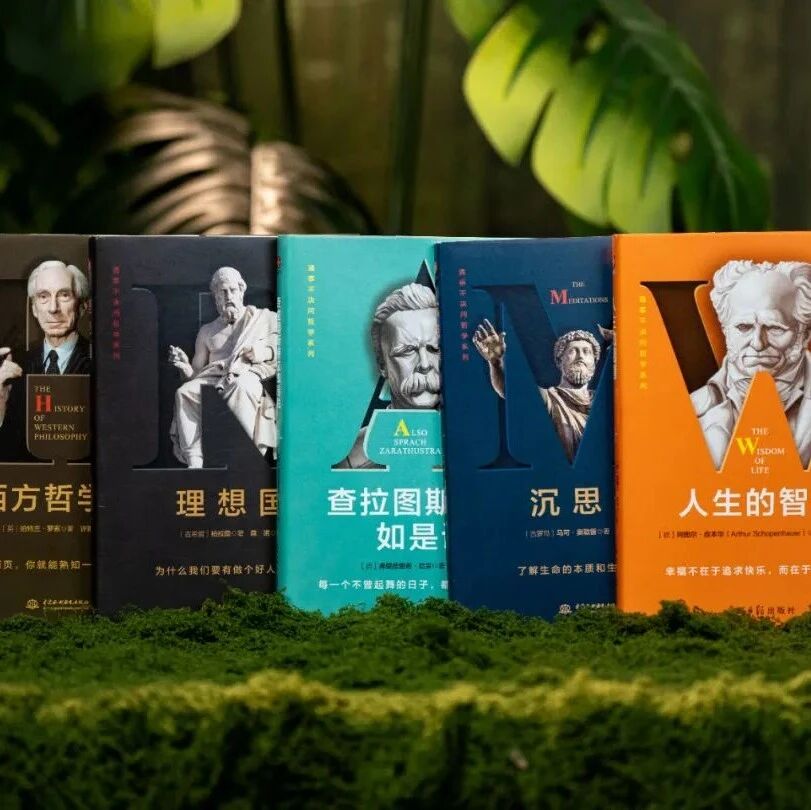
Core Viewpoint - The article emphasizes the importance of reading philosophical works to gain insights into life, happiness, and personal growth, particularly through the teachings of renowned philosophers like Russell, Nietzsche, Plato, Schopenhauer, and Aurelius [1][3][37]. Group 1: Philosophers and Their Impact - Bertrand Russell is highlighted as a significant thinker whose works have influenced many, including notable figures like Einstein and Wang Xiaobo [6][12]. - Nietzsche is presented as a pivotal philosopher of the 20th century, whose ideas are essential for understanding one's purpose in life [22][23]. - Plato's "The Republic" is compared to China's "Four Books and Five Classics," indicating its foundational role in Western thought [25][66]. Group 2: Key Philosophical Insights - Russell's advice on happiness suggests expanding one's interests and being kind to those and things that intrigue you [34]. - Nietzsche encourages individuals to understand their purpose to endure any life situation [34]. - Schopenhauer's perspective on life emphasizes that the essence of life is a cycle of pain and boredom, providing straightforward guidance on achieving happiness [92]. Group 3: The Value of Reading - The article promotes a collection of works from these philosophers as essential reading for personal development, suggesting that engaging with their ideas can lead to profound insights and clarity in life [90][148]. - The compilation of these philosophical texts is presented as a valuable investment for anyone seeking to navigate modern life's complexities [84][161].

中世纪的跨文化翻译和经典传承
Xin Lang Cai Jing· 2025-12-28 22:36
Core Viewpoint - The article emphasizes the significance of the cross-cultural translation movement between the 8th and 13th centuries in the Middle East and Mediterranean regions, highlighting its role in preserving classical works and fostering cultural exchange among Muslims, Jews, and Christians, which laid the intellectual foundation for the European Renaissance [1]. Group 1: Historical Context - The Arab Empire expanded significantly during the early 8th century, becoming a multi-ethnic state that promoted cultural integration and the translation of classical works as a means to build its cultural identity [2]. - The translation movement, known as the "Century of Translation," reached its peak during the reign of Caliph Al-Ma'mun, who established the House of Wisdom in Baghdad in 832, facilitating the translation of over a thousand ancient texts into Arabic [3]. Group 2: Jewish Contributions - Jewish communities, dispersed across the Mediterranean, acted as cultural intermediaries, translating classical texts from Greek and Arabic into Latin and Hebrew, thus playing a crucial role in cross-cultural knowledge exchange [4][5]. - The Jewish translation movement thrived from the 10th to 12th centuries, focusing on translating significant works in philosophy, science, and law, and integrating various cultural elements into Jewish literature [6]. Group 3: The Toledo Translation Movement - The Toledo Translation Movement in the 12th and 13th centuries involved collaboration among Christians, Muslims, and Jews to translate Arabic texts into Latin, significantly contributing to the revival of classical knowledge in Europe [7]. - This movement was characterized by professional and team-based translation efforts, which included the works of Aristotle, Plato, and other classical authors, thereby facilitating the return of Eastern wisdom to Europe [8]. Group 4: Impact on the Renaissance - The cross-cultural translation efforts during the Middle Ages preserved many classical texts that would have otherwise been lost, thus ensuring the continuity of classical knowledge into the Renaissance [9]. - The revival of classical texts sparked a cultural awakening in Europe, leading to the establishment of modern universities and a renewed interest in Eastern civilizations, including the study of Hebrew, Arabic, and Persian languages [10]. - The return of classical knowledge fostered unprecedented cultural exchanges, blending Greek rationalism, Islamic science, and Jewish ethical perspectives, which shaped the unique cultural landscape of the Renaissance [11].