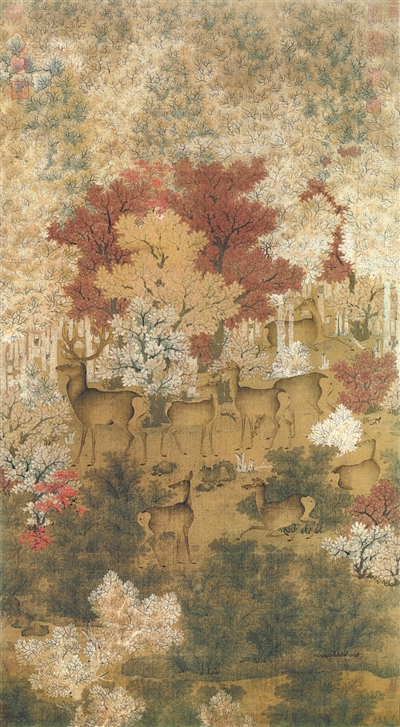
《秋兴八首》

Search documents
文采斐然 情趣盎然
Xin Lang Cai Jing· 2026-01-18 08:11
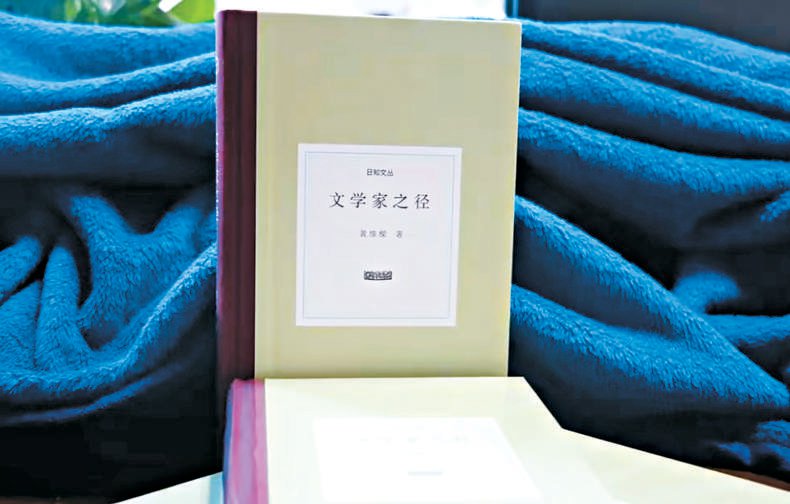
Core Viewpoint - The article discusses the significance of Huang Weiliang's work "Literary Path" and his contributions to Hong Kong literature, emphasizing the blend of intellect and emotion in writing, as well as the importance of cultural confidence in contemporary scholarship [5][8][11]. Summary by Sections Literary Contributions - Huang Weiliang is recognized as a prominent scholar and writer, advocating for a balance between intellect and emotion in academic writing, as stated in his preface to "Literary Path" [8]. - The book consists of over forty essays that connect literature, culture, translation, and personal memories, showcasing Huang's extensive knowledge and elegant writing style [8][14]. Cultural Reflection - The first section of "Literary Path" juxtaposes the works of Du Fu and Shakespeare, highlighting the timeless nature of literary themes and the resilience of the human spirit [9][10]. - Huang's second section emphasizes the need for cultural confidence, urging a revival of traditional Chinese culture while integrating modern perspectives [11][12]. Translation Insights - The third section discusses translation techniques and notable examples, illustrating the beauty and creativity involved in translating literary works [13]. - Huang praises various translations, such as Hu Shi's and Xu Zhimo's, for their artistic merit and cultural resonance [13]. Personal Reflections - The final section of "Literary Path" is a heartfelt tribute to literary figures like Qian Zhongshu and Yu Guangzhong, capturing the essence of their personalities and contributions without embellishment [14]. - Huang's writing style is described as accessible and engaging, making academic discourse enjoyable and relatable [14].

秋色平分 随心而动
Ren Min Ri Bao· 2025-09-27 21:54
Core Viewpoint - The articles explore the artistic representation of autumn, particularly during the autumn equinox, highlighting the balance and harmony in nature and art through various historical paintings and poetic expressions [2][3][4][5]. Group 1: Artistic Representation of Autumn - The autumn equinox symbolizes a balance in nature, inspiring artists to capture its essence through various forms of art, including painting and poetry [2][3]. - Ancient descriptions of autumn, such as "雷始收声" and "水始涸," convey the transition to cooler weather and the closing of nature, which artists reflect in their works [2]. - Notable works like Du Fu's "秋兴八首" and Ni Zan's "渔庄秋霁图" illustrate the emotional depth and seasonal changes associated with autumn [2][3]. Group 2: Color and Composition in Autumn Art - Zhao Mengfu's "鹊华秋色图" exemplifies the pursuit of color harmony and balance, mirroring the equilibrium of the autumn equinox through its composition [3]. - The use of contrasting colors and elements in paintings, such as in "丰稔图" and "嘉谷鸣禽图," showcases the richness and vibrancy of the autumn harvest [4]. - The intricate details in works like "芙蓉锦鸡图" reveal the dynamic interplay of life and nature during the autumn season, emphasizing balance and movement [4]. Group 3: The Splendor of Autumn - The depiction of autumn's beauty is vividly captured in the Five Dynasties painting "丹枫呦鹿图," where the colors of autumn foliage take center stage, creating a unified visual experience [5]. - The articles collectively highlight how different artists interpret the season's beauty, showcasing a range of emotions and aesthetics associated with autumn [5].