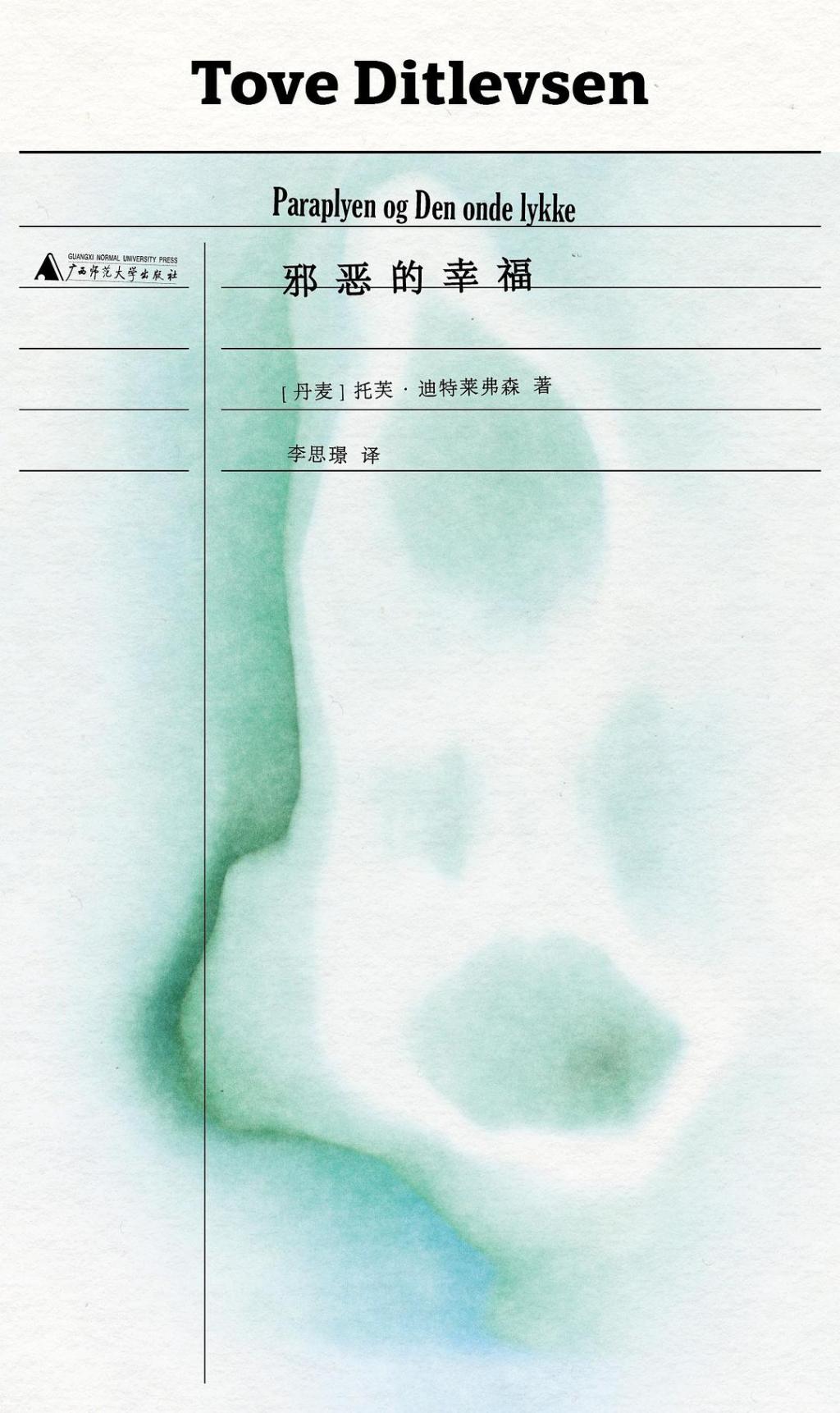
《邪恶的幸福》

Search documents
暗蓝评托芙·迪特莱弗森作品三种|分裂与认同之间的女性写作
Xin Lang Cai Jing· 2025-12-13 03:27
Group 1 - The core theme of Tove Ditlevsen's works revolves around the struggles of women in a patriarchal society, highlighting their quest for identity and autonomy amidst societal expectations [9][10][12] - Ditlevsen's narratives often depict the tension between personal desires and societal roles, as seen in her characters' experiences of confinement within marriage and family life [13][14][15] - The collection "Evil Happiness" includes stories that explore the theme of longing for personal freedom, symbolized by objects like an umbrella, representing a desire for independence [13][14] Group 2 - Ditlevsen's writing reflects her own life experiences, including her rise from a working-class background to becoming a recognized author, while grappling with personal demons such as addiction [9][10][26] - The character Lisel Mundus in "Faces" illustrates the pressures faced by successful women writers, who must navigate the expectations of both their public personas and private lives [18][19][20] - The overarching narrative in "Copenhagen Trilogy" reveals Ditlevsen's struggle with her identity and the impact of her relationships on her creative process, ultimately leading to a sense of alienation [26][30][31]

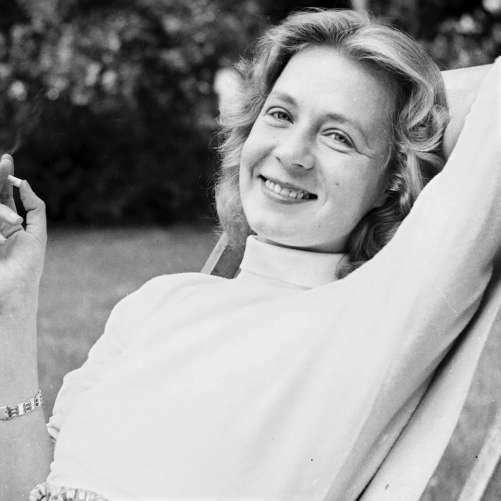
一位悲观主义作家的爱情
Bei Jing Wan Bao· 2025-06-27 07:01
Core Viewpoint - Tove Ditlevsen, a renowned Danish author, explores themes of marriage, family, love, and the struggles of women through her personal experiences and literary works, particularly in her novels "Faces" and "Evil Happiness" [6][7][11]. Group 1: Author's Background and Themes - Tove Ditlevsen was born in 1917 in a working-class family in Copenhagen and experienced a tumultuous life with four marriages, which deeply influenced her writing [6]. - Her works often depict women constrained by marriage and societal expectations, reflecting her pessimistic view of marital life [6][10]. - Ditlevsen's autobiographical work "Copenhagen Trilogy" reveals her personal struggles, including her desire for fame, abortion, and drug addiction, showcasing her unique perspective as a female writer [7][8]. Group 2: Analysis of "Faces" - "Faces" is a novel that illustrates the psychological turmoil of Liselotte Mundus, a successful children's book author who suspects her husband of infidelity, leading her to a state of madness [8][9]. - The narrative blurs the lines between reality and hallucination, highlighting the chaos within family life and the protagonist's deteriorating mental state [9][10]. - The recurring motif of "faces" symbolizes both identity and deception, serving as a metaphor for the complexities of human relationships and the façade of domestic life [10][16]. Group 3: Analysis of "Evil Happiness" - "Evil Happiness" consists of 21 short stories primarily featuring female protagonists, reflecting Ditlevsen's deep understanding of women's identities and struggles [11][12]. - The stories address themes of lost childhood, family dynamics, and the challenges of marriage, often portraying the emotional crises faced by women in oppressive environments [11][12]. - Ditlevsen's writing style effectively captures the tension and despair in marital relationships, often culminating in silent acceptance of one's fate [12][16]. Group 4: Literary Techniques and Symbolism - Ditlevsen skillfully uses everyday objects and details to evoke significant emotional responses, illustrating the gaps in intimate relationships [13][14]. - The character of Helga in the story "Umbrella" exemplifies the lack of emotional fulfillment in her marriage, symbolizing the broader struggles of women in patriarchal societies [13][14]. - The interconnectedness of characters across stories in "Evil Happiness" creates a rich tapestry of female experiences, emphasizing the pervasive nature of their struggles [15]. Group 5: Conclusion on Ditlevsen's Impact - Ditlevsen's works reveal the underlying issues in familial relationships, challenging the notion of a harmonious domestic life and exposing the realities of emotional neglect and misunderstanding [16]. - Her ability to articulate the complexities of women's experiences in marriage and family life positions her as a significant voice in literature, particularly in the context of feminist discourse [16].