女性写作

Search documents
再谈萧红 “她走过无数人间:萧红与中国当代文学”活动举办
Xin Lang Cai Jing· 2026-01-20 14:47
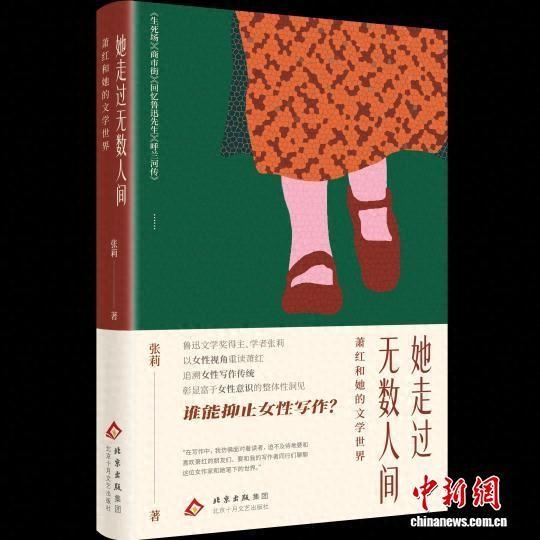
Core Viewpoint - The event "She Walked Through Countless Worlds: Xiao Hong and Contemporary Chinese Literature" highlights the significance of Xiao Hong in women's writing and consciousness, emphasizing her role as a pioneer in addressing women's issues in literature [1][4]. Group 1: Insights from Scholars - Li Jingze identifies Xiao Hong as a crucial figure in contemporary women's writing, noting her ability to articulate the struggles of women, which had previously been unspoken [1]. - Qiu Huadong remarks on the resilience reflected in Xiao Hong's works, such as "Hulan River" and "The Field of Life and Death," which continue to resonate deeply with readers [1]. - Di An describes Xiao Hong as a unique figure whose personal experiences are intricately woven into her literary works, making it challenging to separate the author from her writings [1]. Group 2: Analysis of Zhang Li's Work - Zhang Li's latest essay collection, "She Walked Through Countless Worlds: Xiao Hong and Her Literary World," offers a detailed textual analysis of Xiao Hong's significant works, blending academic insight with emotional resonance [4]. - Li Jingze praises Zhang Li's book for transcending traditional literary history, exploring how Xiao Hong's legacy continues to influence contemporary readers [4]. - Di An highlights Zhang Li's approach as a researcher, emphasizing her ability to maintain a reader's perspective while analyzing Xiao Hong's life experiences, including themes of hunger and exile [4].

暗蓝评托芙·迪特莱弗森作品三种|分裂与认同之间的女性写作
Xin Lang Cai Jing· 2025-12-13 03:27
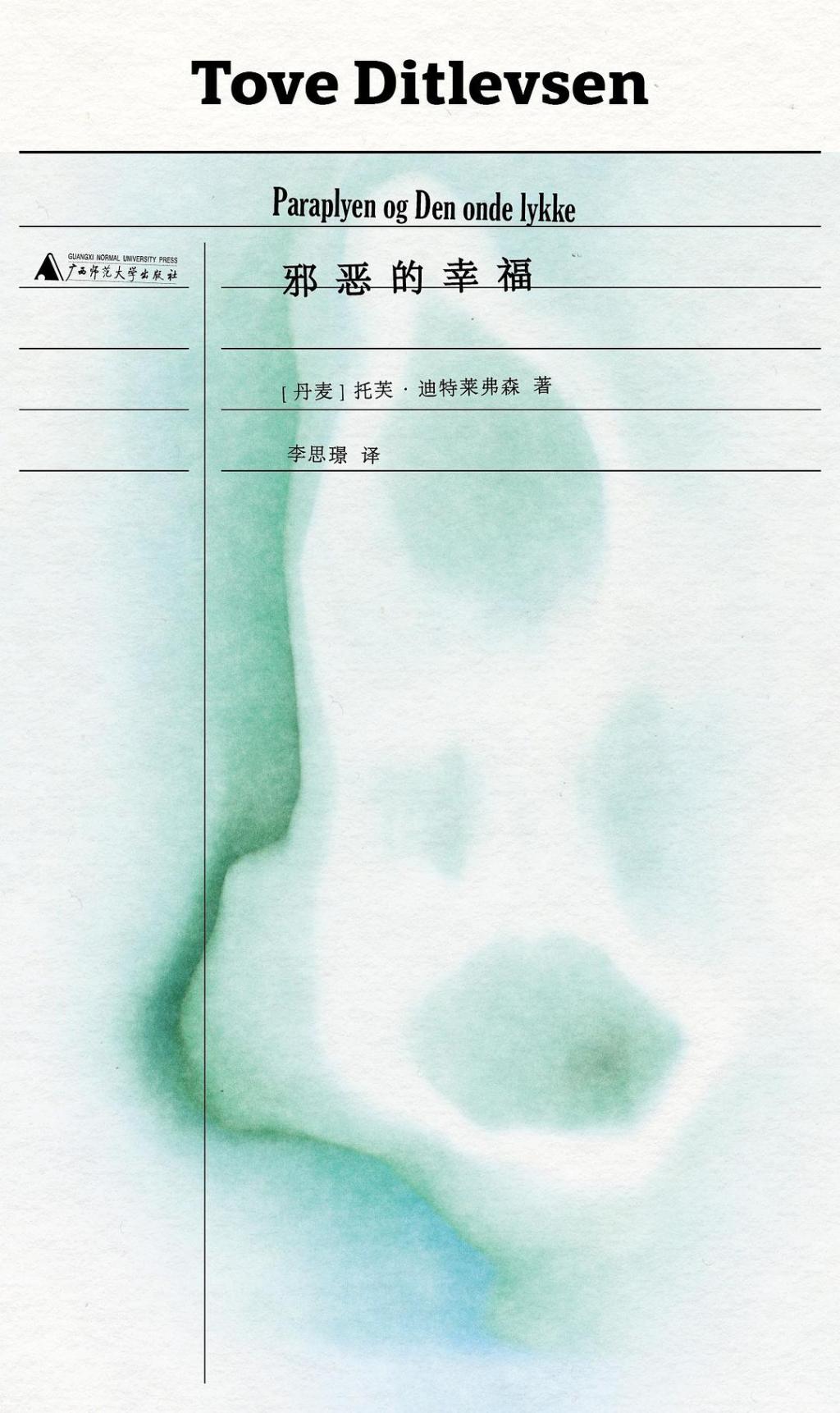
Group 1 - The core theme of Tove Ditlevsen's works revolves around the struggles of women in a patriarchal society, highlighting their quest for identity and autonomy amidst societal expectations [9][10][12] - Ditlevsen's narratives often depict the tension between personal desires and societal roles, as seen in her characters' experiences of confinement within marriage and family life [13][14][15] - The collection "Evil Happiness" includes stories that explore the theme of longing for personal freedom, symbolized by objects like an umbrella, representing a desire for independence [13][14] Group 2 - Ditlevsen's writing reflects her own life experiences, including her rise from a working-class background to becoming a recognized author, while grappling with personal demons such as addiction [9][10][26] - The character Lisel Mundus in "Faces" illustrates the pressures faced by successful women writers, who must navigate the expectations of both their public personas and private lives [18][19][20] - The overarching narrative in "Copenhagen Trilogy" reveals Ditlevsen's struggle with her identity and the impact of her relationships on her creative process, ultimately leading to a sense of alienation [26][30][31]
一个女科幻作家的「进化」:从不写女性,到书里全员女性
36氪· 2025-03-08 13:49
Core Viewpoint - The article discusses the evolution of female representation in science fiction through the experiences of a Chinese female science fiction writer, Gu Shi, highlighting her journey towards a more inclusive and authentic portrayal of women in her works [2][8][19]. Group 1: Awakening and Transformation - Gu Shi experienced a "subjective awakening" after receiving feedback on her earlier works, prompting her to redefine her writing identity as a Chinese female author [3][12]. - She shifted from writing predominantly male protagonists to creating strong female characters, reflecting her personal growth and changing perspectives on gender roles [4][6][15]. Group 2: Cultural and Historical Context - Gu Shi's exploration of Chinese mythology and history led her to question traditional narratives, particularly regarding female figures in ancient stories, and to envision a matriarchal society as a more logical framework [5][18]. - Her works, such as "Zecheng," incorporate elements of Chinese culture and address contemporary issues like climate change, showcasing the potential of science fiction to explore gender dynamics [4][19]. Group 3: Female Representation in Science Fiction - The article emphasizes the importance of female voices in science fiction, noting that the genre can challenge societal norms and present alternative futures [19][24]. - Gu Shi's recent works, including "2181 Prelude," feature diverse female characters and have gained recognition, indicating a growing acceptance and demand for female-centric narratives in the genre [6][7][20]. Group 4: Challenges and Critiques - The article highlights the challenges female authors face, including criticism from both male and female readers regarding their portrayal of women and the expectations placed on them [27][28]. - Gu Shi advocates for the protection and encouragement of female writers, emphasizing the need for diverse representations and the importance of allowing women to define their narratives [26][29].
当一位科幻作家放弃了让男人当主角
后浪研究所· 2025-03-05 09:46
Core Viewpoint - The article discusses the evolution of female representation in science fiction through the experiences of Chinese female author Gu Shi, highlighting her journey from writing male-centric narratives to embracing her identity as a Chinese woman writer and exploring gender perspectives in her works [2][10][11]. Group 1: Author's Journey and Awakening - Gu Shi began her writing career in 2011, primarily featuring male protagonists, influenced by the male-dominated sci-fi literature of the past [2][8]. - In 2017, after winning the Chinese Galaxy Award for her short story "Moebius Time Space," she faced questions about the absence of female characters and Chinese culture in her work, prompting her to reflect on her identity as a Chinese female writer [1][8][10]. - This reflection led to a "subjective awakening," where she recognized the value of her unique perspective shaped by her environment, gender, and nationality [2][11]. Group 2: Shift in Writing Style and Themes - Gu Shi experimented with new writing styles, moving away from her comfort zone of male perspectives to create more complex female characters, as seen in her work "Gambling Brain," which won the 2019 Chinese Galaxy Award for Best Novella [2][12]. - Her 2022 short story "Choosing a City" reflects her engagement with climate change themes, integrating elements of Chinese mythology and questioning traditional narratives surrounding historical figures like Da Yu [3][4]. Group 3: Representation of Women in Sci-Fi - Gu Shi emphasizes the importance of writing strong female characters who can "hold their own," inspired by real-life women she encounters [5][14]. - She believes that science fiction has the potential to address women's issues more profoundly, allowing for the exploration of both positive and negative gender futures [5][19][20]. - Her recent works, including "2181 Prelude," feature diverse female characters and aim to construct a more equitable gender perspective [5][6][14]. Group 4: Challenges and Critiques - Gu Shi discusses the challenges female writers face, including criticism from female readers who may hold high expectations for gender representation in their works [22][23]. - She advocates for the protection and encouragement of female writers, emphasizing the need for growth and understanding within both authors and readers [24][25]. Group 5: Future Directions - Gu Shi is involved in a project to publish a collection of works by Chinese female science fiction writers, aiming to highlight their contributions and perspectives [19][21]. - She believes that science fiction can serve as a tool to prevent negative societal outcomes by presenting potential futures, thus encouraging proactive engagement with current issues [20][26].