《2025全球高级持续性威胁(APT)研究报告》

Search documents
《2025全球高级持续性威胁(APT)研究报告》发布,全球APT攻防战再升级
Huan Qiu Shi Bao· 2026-01-29 22:47
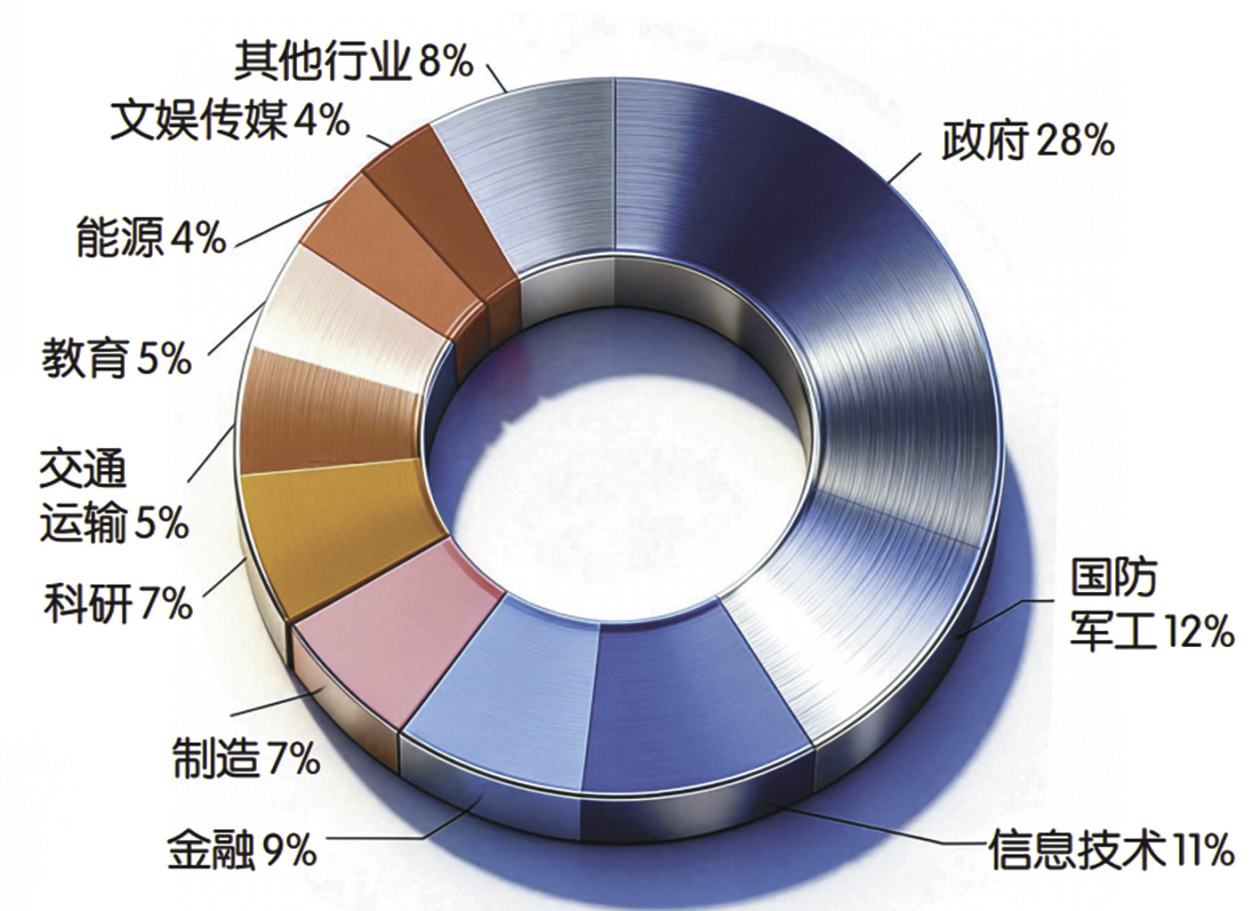
Core Insights - The report highlights the increasing sophistication and prevalence of Advanced Persistent Threats (APTs) in global cybersecurity, particularly focusing on state-sponsored attacks and supply chain vulnerabilities driven by AI technology [1][2][4]. Group 1: APT Activities and Trends - In 2025, over 700 APT reports were published globally, involving 140 APT organizations, with 42 being newly disclosed, indicating a rise in APT activities compared to 2024 [2]. - APT attacks are primarily targeting key sectors such as government, defense, IT, finance, and education, with a notable focus on geopolitical hotspots [2]. - North American APT organizations have demonstrated a coordinated approach to targeting critical infrastructure in China, employing stealth tactics to steal core technologies and commercial secrets [4]. Group 2: Supply Chain Attacks - APT organizations are increasingly utilizing open-source code repositories for supply chain attacks, embedding malicious software in widely used software packages, which poses significant risks to developers and organizations [7]. - The report emphasizes the need for a comprehensive defense strategy that includes management, technology, and emergency response to mitigate the risks associated with supply chain vulnerabilities [8]. Group 3: Emerging Threats and AI Integration - The report warns of the growing use of AI in cyberattacks, enabling attackers to conduct highly targeted phishing campaigns and automate complex attack strategies [12][13]. - AI-driven attacks are expected to evolve, with deepfake technology being used for sophisticated scams, increasing the potential for widespread security breaches [12]. - The emergence of "attacker agents" powered by AI could lead to systemic security crises, as these agents can autonomously execute a range of attacks, complicating traditional defense mechanisms [13].