
供应链攻击

Search documents
151个软件包,暗藏肉眼不可见的恶意代码,AI批量生成的?
机器之心· 2026-03-28 06:33
Core Viewpoint - The article discusses a new wave of supply chain attacks utilizing invisible code embedded in software packages, making detection difficult for traditional security measures [2][4][10]. Group 1: Attack Methodology - Researchers from Aikido Security revealed that attackers uploaded 151 malicious software packages to GitHub between March 3 and 9, which contained "invisible code" that standard editors and tools could not display [2][3]. - The core of this attack method involves the abuse of Unicode "Private Use Areas," allowing attackers to encode malicious functions as invisible characters, which are executed by JavaScript interpreters during runtime [7][9]. - The quality of the visible parts of these malicious packages is high, making them harder to detect [10]. Group 2: Implications and Concerns - The malicious injections did not appear in obviously suspicious submissions, blending in with normal changes like documentation updates and minor refactoring, raising concerns about the sophistication of the attackers, referred to as "Glassworm" [11]. - The use of large language models (LLMs) to generate these deceptive software packages suggests that the scale of such attacks could increase, making detection even more challenging [11][16]. - The article emphasizes the need for automated systems to integrate Unicode normalization and homograph detection into the dependency review stages of CI pipelines to combat these threats effectively [17]. Group 3: Recommendations for Prevention - The most effective way to prevent supply chain attacks is to conduct thorough reviews of any software packages and their dependencies before integration, including careful verification of package names and potential spelling errors [15]. - GitHub and similar platforms should implement regex processing for all non-ASCII characters and add warnings in files and repositories containing such characters [18]. - The ongoing evolution of attack methods, aided by AI, suggests that security AI may need to take over commit reviews to manage the increasing volume of submissions [19].


PyPI遭投毒!LiteLLM用户Python启动就中招,个人凭证秒泄露
量子位· 2026-03-25 06:31
Core Viewpoint - The article highlights a significant security breach involving the LiteLLM Python package, which was found to contain malicious code that could steal sensitive user information upon installation [1][2][3]. Group 1: Incident Overview - The malicious versions LiteLLM 1.82.7 and 1.82.8 were uploaded to PyPI, leading to the immediate leakage of SSH keys, AWS credentials, and API keys upon installation [2][4]. - The package was downloaded approximately 3.4 million times daily, raising concerns about the widespread impact on developers who automatically install new versions [4][5]. - The malicious code was discovered by Callum McMahon while testing a plugin, which led to the identification of the harmful file litellm_init.pth [11][12]. Group 2: Malicious Code Functionality - The malicious file collects sensitive user data, including SSH private keys, cloud credentials, and database passwords, and executes commands to export environment variables [13]. - The stolen data is encrypted using a hardcoded RSA public key and sent to an attacker-controlled cloud server [15]. - If Kubernetes service account tokens are detected, the malware attempts to create privileged pods on each node, potentially leading to further exploitation [17]. Group 3: Source of the Vulnerability - The vulnerability originated from a compromised security tool, Trivy, which was manipulated to inject malicious code into the LiteLLM package during its CI/CD pipeline [18][19]. - Attackers exploited the compromised Trivy to gain access to the PyPI credentials of LiteLLM's maintainer, allowing them to publish the malicious versions [19]. Group 4: Response and Mitigation Steps - Users who installed the malicious versions are advised to check their installed version and remove the package immediately, along with clearing the package manager cache [21][22][23]. - It is recommended to audit Kubernetes environments for unauthorized access and to rotate personal credentials to prevent further breaches [24][25]. - Developers who have not yet installed the malicious versions should temporarily lock to version 1.82.6 until a secure update is released [26]. Group 5: Broader Implications - The article emphasizes that supply chain attacks are becoming more common, particularly targeting high-permission tools like Trivy and LiteLLM [27][28]. - The impact of such attacks can be extensive, affecting users who may not have directly installed the malicious software but rely on affected dependencies [29]. - Developers are urged to reassess their dependency management practices and the security of underlying tools to mitigate future risks [30][31].

突发|立即检查你的Python库!LiteLLM被投毒,Karpathy警告,马斯克关注
机器之心· 2026-03-25 04:01
Core Viewpoint - The article discusses a significant software security incident involving the Python library LiteLLM, which was compromised through a supply chain attack, affecting a large number of developers and projects [2][5]. Group 1: Incident Overview - LiteLLM, a Python library with over 40,000 stars on GitHub and monthly downloads of 97 million, was found to contain malicious code in versions 1.82.7 and 1.82.8 [2][3]. - The compromised versions have been retracted, and PyPI has implemented isolation measures to address the issue [4]. - This incident exemplifies a textbook supply chain attack, highlighting the vulnerabilities in software package management systems like PyPI [5]. Group 2: Attack Mechanism - The malicious code was capable of stealing sensitive information such as SSH keys, cloud service credentials, Kubernetes configurations, and database passwords through a simple `pip install` command [6]. - The attack was reported to have three phases: 1. Information Collection: A Python script scrapes sensitive files from the host [9]. 2. Data Exfiltration: Collected data is encrypted and sent to a non-official domain [10]. 3. Lateral Movement and Persistence: The malware attempts to infiltrate Kubernetes and establish persistent backdoors [17]. Group 3: Developer Reactions and Insights - The incident has drawn attention from notable figures in the tech industry, including Elon Musk and Jim Fan, who emphasized the severity of identity theft and the need for caution in software dependencies [12][18]. - Developers are encouraged to build custom functionalities instead of relying on potentially vulnerable libraries, aligning with the views expressed by Karpathy [19]. Group 4: Recommendations for Developers - Developers are advised to check their LiteLLM versions and remove any affected installations, clean package manager caches, and reset all credentials due to potential leaks [21][22]. - Best practices to mitigate such risks include obtaining source code snapshots, conducting security audits, and integrating audited code into personal libraries [21].

《2025全球高级持续性威胁(APT)研究报告》发布,全球APT攻防战再升级
Huan Qiu Shi Bao· 2026-01-29 22:47
Core Insights - The report highlights the increasing sophistication and prevalence of Advanced Persistent Threats (APTs) in global cybersecurity, particularly focusing on state-sponsored attacks and supply chain vulnerabilities driven by AI technology [1][2][4]. Group 1: APT Activities and Trends - In 2025, over 700 APT reports were published globally, involving 140 APT organizations, with 42 being newly disclosed, indicating a rise in APT activities compared to 2024 [2]. - APT attacks are primarily targeting key sectors such as government, defense, IT, finance, and education, with a notable focus on geopolitical hotspots [2]. - North American APT organizations have demonstrated a coordinated approach to targeting critical infrastructure in China, employing stealth tactics to steal core technologies and commercial secrets [4]. Group 2: Supply Chain Attacks - APT organizations are increasingly utilizing open-source code repositories for supply chain attacks, embedding malicious software in widely used software packages, which poses significant risks to developers and organizations [7]. - The report emphasizes the need for a comprehensive defense strategy that includes management, technology, and emergency response to mitigate the risks associated with supply chain vulnerabilities [8]. Group 3: Emerging Threats and AI Integration - The report warns of the growing use of AI in cyberattacks, enabling attackers to conduct highly targeted phishing campaigns and automate complex attack strategies [12][13]. - AI-driven attacks are expected to evolve, with deepfake technology being used for sophisticated scams, increasing the potential for widespread security breaches [12]. - The emergence of "attacker agents" powered by AI could lead to systemic security crises, as these agents can autonomously execute a range of attacks, complicating traditional defense mechanisms [13].

网络欺诈成全球数字经济最大威胁
Xin Lang Cai Jing· 2026-01-18 18:28
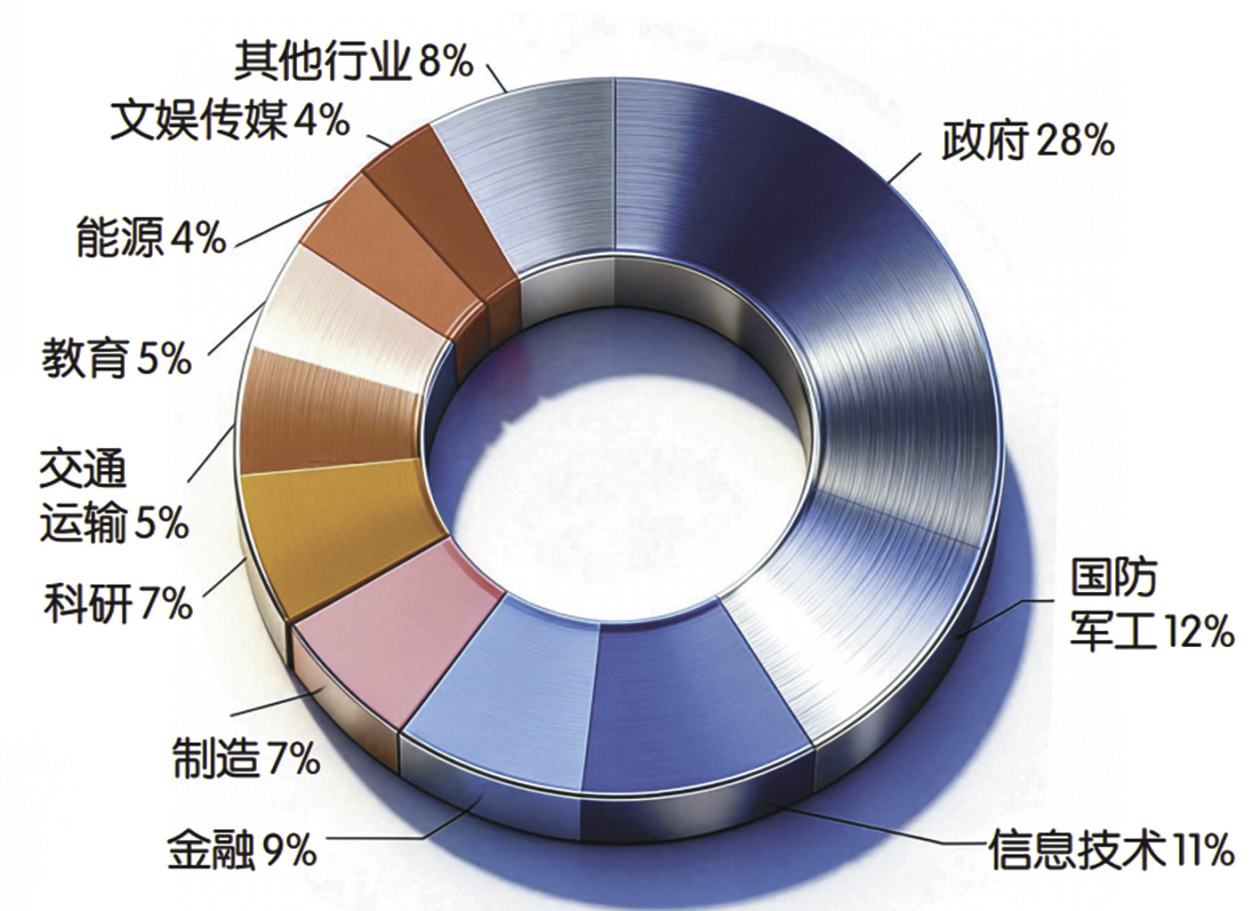
Core Insights - The World Economic Forum's report warns that cyber fraud has evolved into one of the most disruptive forces in the digital economy, posing a significant threat to global economic security [3][4] - Cyber fraud is no longer small-scale crime but a systematic threat driven by organized, cross-border criminal activities utilizing advanced technologies [3] Group 1: Evolution of Cyber Fraud - Cyber fraud has transitioned from random attacks to precision strikes, with criminal organizations leveraging AI to analyze vast amounts of data and identify potential victims [3] - A notable case in Southeast Asia involved a criminal group using deepfake technology to impersonate a CEO, successfully deceiving a financial officer into transferring $47 million [3] - In Brazil, digital payment fraud cases increased by 187% in the first half of 2025, with impoverished populations being particularly vulnerable due to a lack of digital literacy [3] Group 2: International Cooperation and Challenges - Cybersecurity has transcended national borders, necessitating a collective global response to address the issue effectively [4] - The EU is working on a "Digital Single Market Security Framework" to coordinate cybersecurity policies among its 27 member states [4] - The African Union aims to establish basic cybersecurity systems for all member states by 2027, highlighting the disparity in cybersecurity budgets across the continent [4] Group 3: Multi-faceted Response Strategies - The report advocates for a framework to build a "resilient digital future," emphasizing the need for multi-layered and collaborative responses [4] - Emerging technologies like quantum encryption and blockchain are seen as promising solutions, with a focus on developing self-healing networks that can detect and isolate anomalies in real-time [4] - The G7 is discussing the establishment of "digital product safety baseline standards" to ensure consumers are aware of the security levels of digital products [4]

Trust Wallet:浏览器扩展 v2.68 事件影响 2,520 个钱包,损失约 850 万美元
Xin Lang Cai Jing· 2025-12-30 17:07
Core Insights - Trust Wallet has reported a security incident involving its browser extension v2.68, which affected users who logged in between December 24-26 [1] - A total of 2,520 wallet addresses were confirmed to be compromised, resulting in asset theft amounting to approximately $8.5 million [1] - The stolen funds are linked to 17 wallets controlled by the attackers, and the incident may be related to a broader supply chain attack that occurred in November 2025 [1] Summary by Categories Incident Details - The security breach specifically impacted users of the Trust Wallet browser extension v2.68 during a short window from December 24 to December 26 [1] - The investigation indicates that the attack was facilitated by a malicious version of the extension, which was published using a leaked Chrome Web Store API Key [1] Financial Impact - The total value of assets stolen in this incident is approximately $8.5 million [1] - The number of affected wallet addresses stands at 2,520, highlighting the scale of the breach [1] Related Events - The incident is potentially connected to the Sha1-Hulud supply chain attack that occurred in November 2025, suggesting a larger pattern of vulnerabilities within the industry [1]
仅2.5万美元就“出卖”公司?员工变“内鬼”,将内部截图卖给黑客,引网友热议:这是低薪惹的祸?
猿大侠· 2025-12-01 04:11
Core Viewpoint - The incident involving CrowdStrike highlights the growing threat of insider attacks, where employees betray their companies by leaking sensitive information to external hackers, despite robust security measures in place [1][21]. Group 1: Incident Overview - An employee at CrowdStrike leaked internal system screenshots to hackers for a payment of $25,000, leading to a breach of internal security protocols [1][16]. - The hacker group Scattered Lapsus$ Hunters claimed responsibility for accessing CrowdStrike's internal environment, presenting it as a supply chain attack [5][8]. - The leaked screenshots included sensitive information such as the Okta single sign-on (SSO) panel link, which could allow unauthorized access to company applications [7][16]. Group 2: Company Response - CrowdStrike confirmed the incident and terminated the employee involved, while also investigating the matter further [2][14]. - The company's internal security systems detected the unusual behavior of the employee, which led to the immediate revocation of their network access [17]. - Despite the leak, CrowdStrike asserted that their systems were not compromised, and customer data remained secure [18]. Group 3: Industry Implications - The incident serves as a wake-up call for the cybersecurity industry, emphasizing the difficulty of preventing insider threats due to the inherent trust and access that employees possess [21][22]. - Experts suggest implementing layered defense strategies, including behavior analysis tools, data loss prevention (DLP) tools, and strict access controls to mitigate insider risks [22][23]. - The need for a comprehensive approach to security that includes both technological solutions and human factors is underscored, as insider threats are among the most challenging cybersecurity issues [23].

