丁香酚

Search documents
人为麻醉活鱼被曝光,酒精勾兑三无麻醉剂,重庆最新通报
21世纪经济报道· 2026-03-23 04:29
Core Viewpoint - The article highlights concerns regarding the use of anesthetics in live fish transportation, particularly the use of substances like eugenol and industrial alcohol, which pose health risks to consumers [1][3][10]. Group 1: Anesthetic Use in Fish Transportation - Reports indicate that various fish markets in China, including those in Chongqing, Shandong, and Anhui, have been found using eugenol and other substances to induce a "sleeping" state in live fish [1][4]. - In the Chongqing Lebang Aquatic Market, long-distance transported fish often appear in a "sleeping" state, which is confirmed to be due to human intervention rather than natural behavior [4][6]. - Workers were observed adding eugenol-containing products, labeled as "Fish Protector," to fish transport containers, which lack production dates and licenses, raising significant safety concerns [6][10]. Group 2: Health Risks and Regulatory Gaps - The use of industrial alcohol, which contains toxic methanol, has been reported in some markets as a means to enhance the effectiveness of anesthetics, creating serious food safety risks [8][10]. - Current regulations do not adequately address the use of eugenol and MS-222 (also known as "甲盐") in food fish transportation, leaving a regulatory void that could endanger consumer health [11][17]. - The lack of clear guidelines and enforcement regarding the allowable limits of these anesthetics in fish products has been highlighted, with no established residue standards for eugenol or MS-222 [13][17]. Group 3: Industry Practices and Recommendations - The practice of using anesthetics in fish transportation has become normalized in various markets, with reports of arbitrary dosing and application methods [10][12]. - Experts suggest that while anesthetics can facilitate fish transport, there is an urgent need for regulatory frameworks to ensure safety and establish acceptable residue levels [18][19]. - The article calls for immediate action from regulatory bodies to draft relevant standards and guidelines to protect consumer health and ensure safe practices in the fish industry [18][19].

央视曝光:有商贩喂鱼麻醉药
券商中国· 2026-03-23 01:14
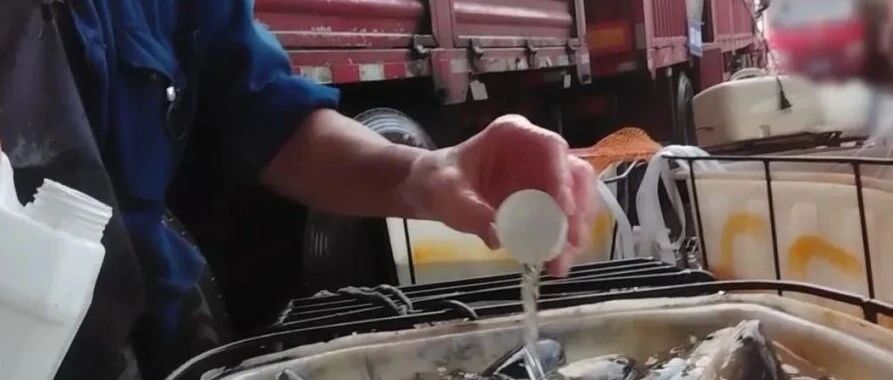
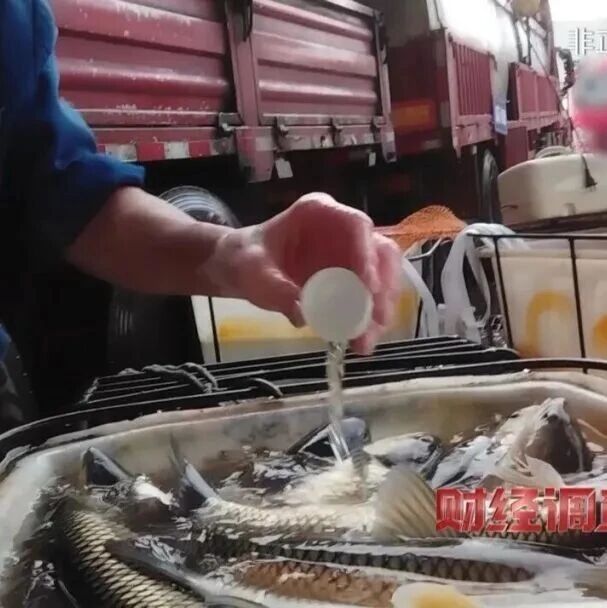
Core Viewpoint - The article highlights the illegal use of anesthetics such as eugenol and industrial alcohol in the transportation of live fish across various markets in China, raising serious health concerns for consumers and prompting regulatory actions [1][2]. Group 1: Illegal Practices in Fish Transportation - Multiple fish markets in Chongqing, Shandong, and Anhui are reported to use substances like eugenol and industrial alcohol to induce a "sleeping" state in live fish during transport [1]. - In Chongqing's Lebang Aquatic Market, fish arrive in a dormant state and can be revived with oxygen, while workers add eugenol to the transport containers, which is labeled as a "three-no" product [1]. - In Shandong's Linyi Strong Seafood Wholesale Market, vendors use industrial alcohol and eugenol without regulation, with the dosage being determined by personal judgment [1]. Group 2: Regulatory Response - The National Market Supervision Administration has taken the allegations seriously, initiating a joint investigation with local market supervision authorities in Chongqing and Shandong [2]. - A surprise inspection on March 17 at Chongqing's Lebang Aquatic Market led to the examination of 35 vendors, resulting in the seizure of 14 items containing eugenol and the collection of various samples for testing [2]. - In Linyi, authorities conducted a detailed investigation into suspected industrial alcohol and eugenol, collecting fish and water samples for laboratory analysis [2].
新发现+1 我国科学家揭示植物基因起源新机制
Yang Shi Xin Wen· 2025-09-02 20:48
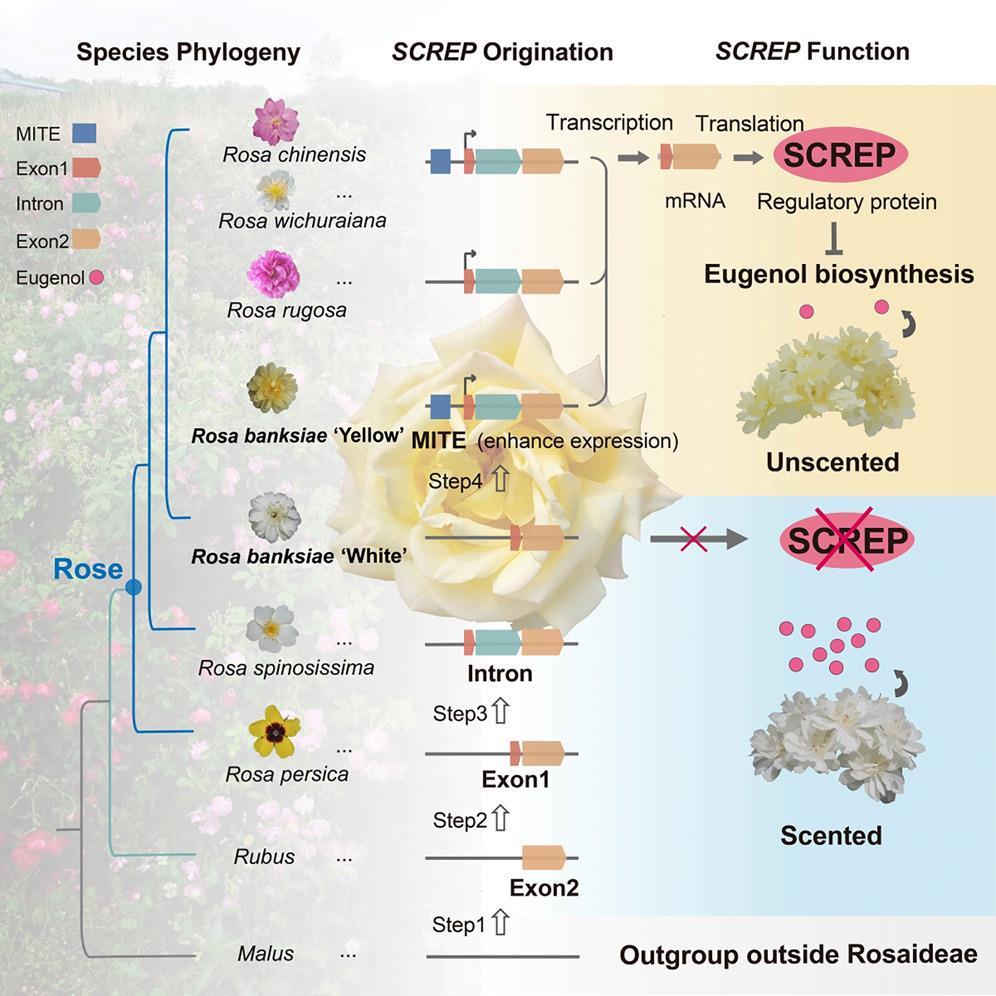
Core Viewpoint - The research conducted by a team from Huazhong Agricultural University reveals that a new functional gene can originate "from scratch," challenging the long-held belief that new genes arise from existing ones through errors in replication or fusion [1][3]. Group 1: Research Findings - The study published in the journal "Cell" details a multi-step process for the emergence of a new gene named SCREP, which significantly inhibits the synthesis of a key aromatic compound, eugenol, in roses [1][3]. - The SCREP gene's origin involved a non-coding DNA segment that appeared approximately 63 million years ago, which evolved into a complete protein-coding gene framework over 16 million years, aided by the insertion of a "jumping gene" known as MITE [3][4]. - Genetic sequencing and aroma component analysis of 38 rose species revealed that the SCREP gene is commonly found in more evolved or artificially selected rose varieties, indicating its role in shaping the aromatic characteristics of these plants [3]. Group 2: Implications and Applications - This discovery provides a theoretical basis for the targeted regulation of floral scent traits in roses and holds significant potential for synthetic biology applications [4]. - The research opens avenues for creating new genes from scratch, moving beyond traditional methods that rely on modifying existing genes to improve plant traits [4].